Document Neupfarrplatz in Regensburg

In Neupfarrplatz, one of the largest main squares of Regensburg, there is a big church called the Neupfarrkirche.   Tucked behind that church is a triangular metal structure containing a door.  The door contains a stairwell that goes down into Document Neupfarrplatz, an exhibit made of an archaeological excavation beneath the square which occurred between 1995 and 1997 .  The exhibit isn’t open all the time.  There are tours at set times, and you have to go to the Tabak shop across the way to buy your tickets before the tour.  It’s only €5, for a one hour tour in German.

neupfarrplatz-1

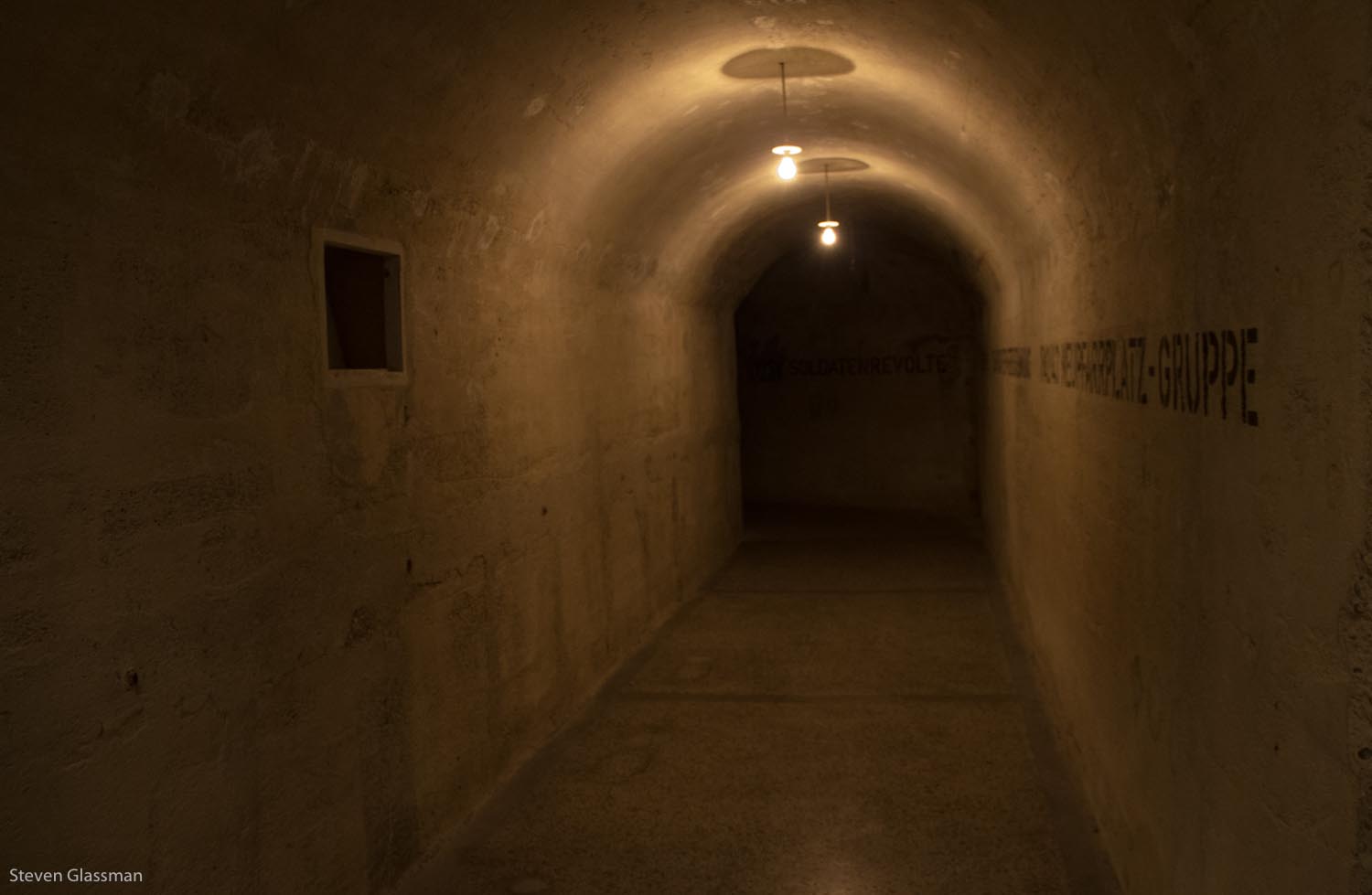
Once you get to the bottom of the stairs, you’re in a large chamber with pathways leading off in other directions.  There is a set of tunnels which comprise part of a ring shaped underground air-raid shelter built around 1940.  These first two pictures show part of that structure.
neupfarrplatz-3

Looking down the hall from the air raid shelter hallway, you can see part of the main chamber at the foot of the stairs.

neupfarrplatz-5

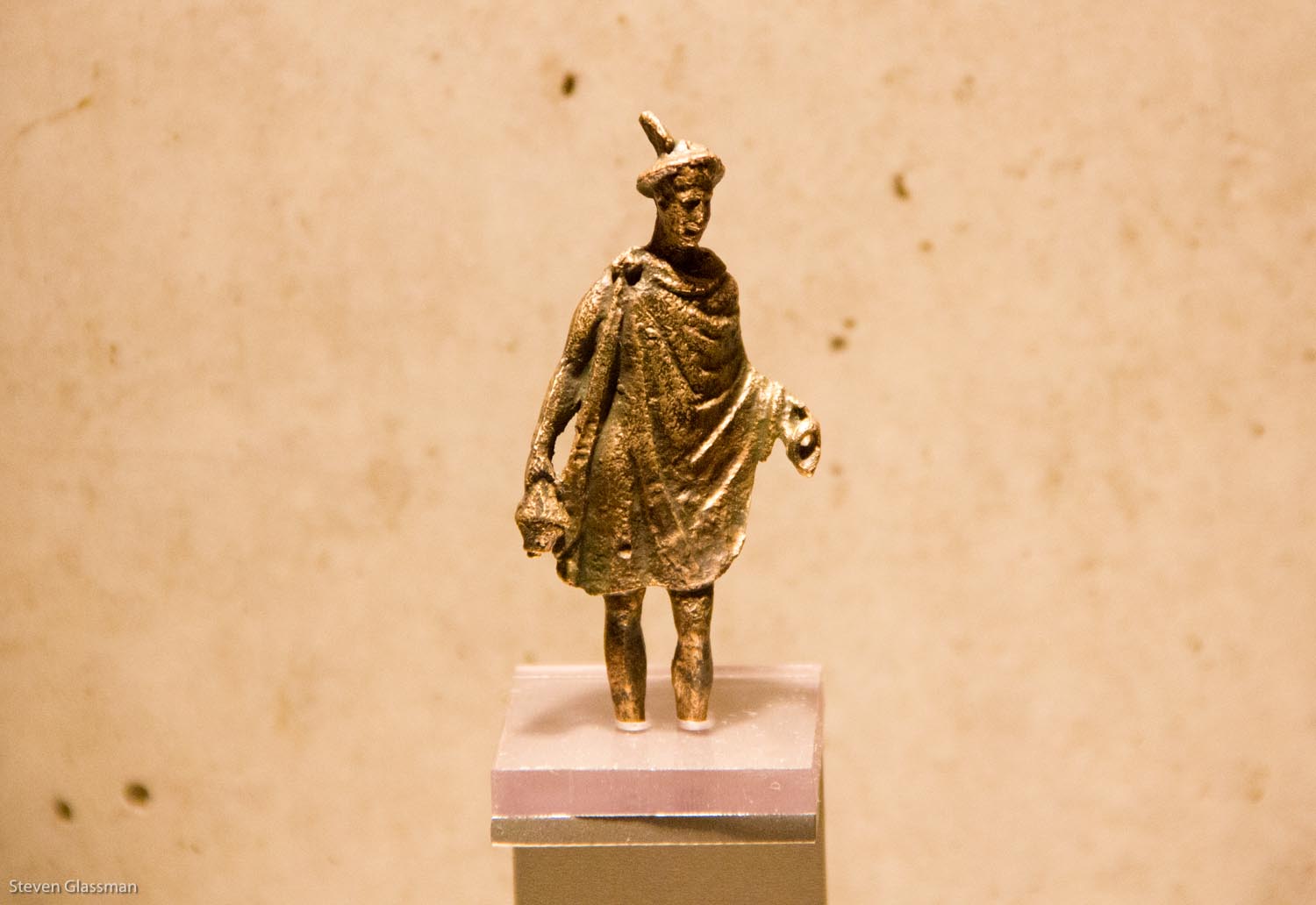
Inside that first chamber are three glass cases containing small items from three different time periods of the excavation.    The first is a bronze figurine of the Roman god Mercury, from the second or third century A.D.

This statue is believed to have stood on the house altar of a high ranking Roman official.  This location was the Roman camp Castra Regina around 179 A.D.  Castra Regina was a fortified military base, and I’ve posted photos of the old fortress walls before.  The remains of Castra Regina lie here, six meters below Neupfarrplatz.
neupfarrplatz-4

This pointy fellow is a bronze figurine of the high priest Aharon from the 15th century A.D.  This is from the medieval Jewish quarter, which also stood in Neupfarrplatz after the Roman Empire.  Southern Germany’s biggest Jewish community prospered here from the 8th century until February 21st, 1519, when the Jews were driven out of the city.    At the time of the expulsion, around 80 Talmudic scholars lived here.

neupfarrplatz-7

After the explulsion of the Jews in 1519, the synagogue was demolished.  A wooden chapel was dedicated to the Virgin Mary (Zur Schönen Maria) at this location soon after.   The chapel became a center for mass pilgrimages.  The next  item pictured is a silver sign of pilgrimage from around 1520.

So much money was generated by the pilgrims that the foundations of a new larger Neupfarrkirche were set in 1540.  This is where the names Neupfarrplatz and Neupfarrkirche come from-  Regensburg became Protestant in 1542 and the pilgrimage church was reconsecrated as “Neue Pfarre,” the new parish church.

neupfarrplatz-6

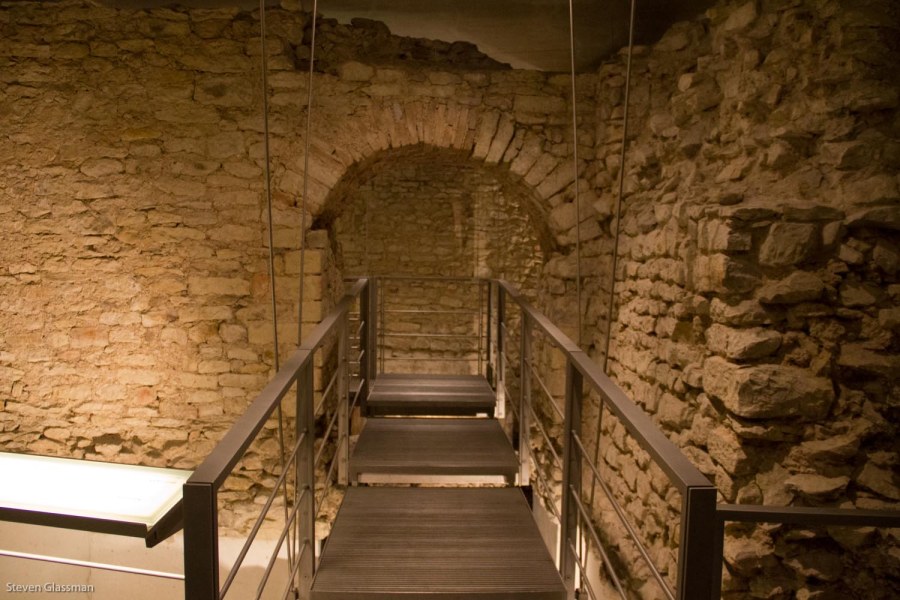
Opposite the bronze and silver items encased in glass is a walkway supported over part of the excavated structure.  These were cellar rooms – the archway goes to another room which had been converted several times.

neupfarrplatz-8 neupfarrplatz-9

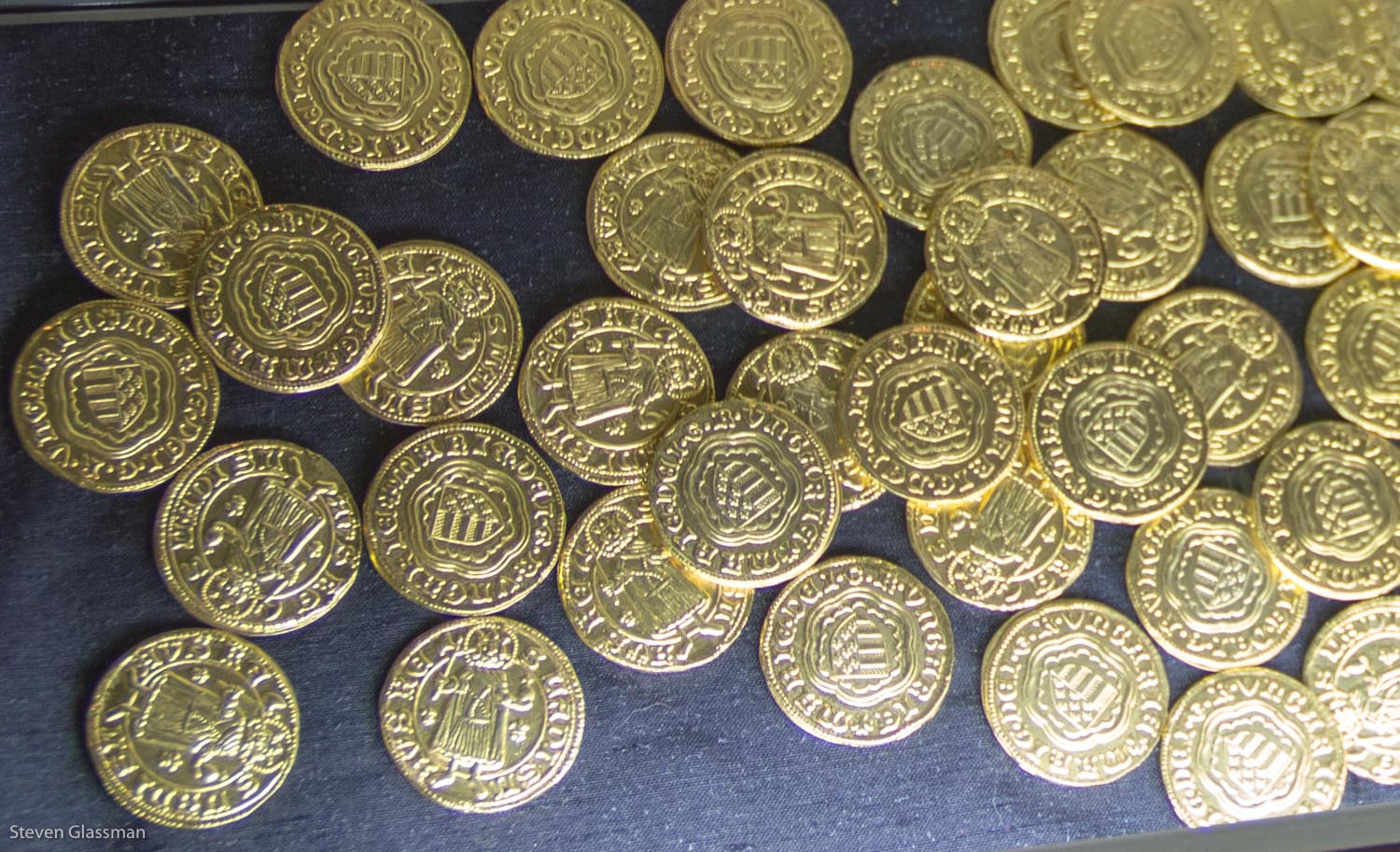
One of the more spectacular things found during the excavations were these 624 gold coins, buried around 1388.
neupfarrplatz-10

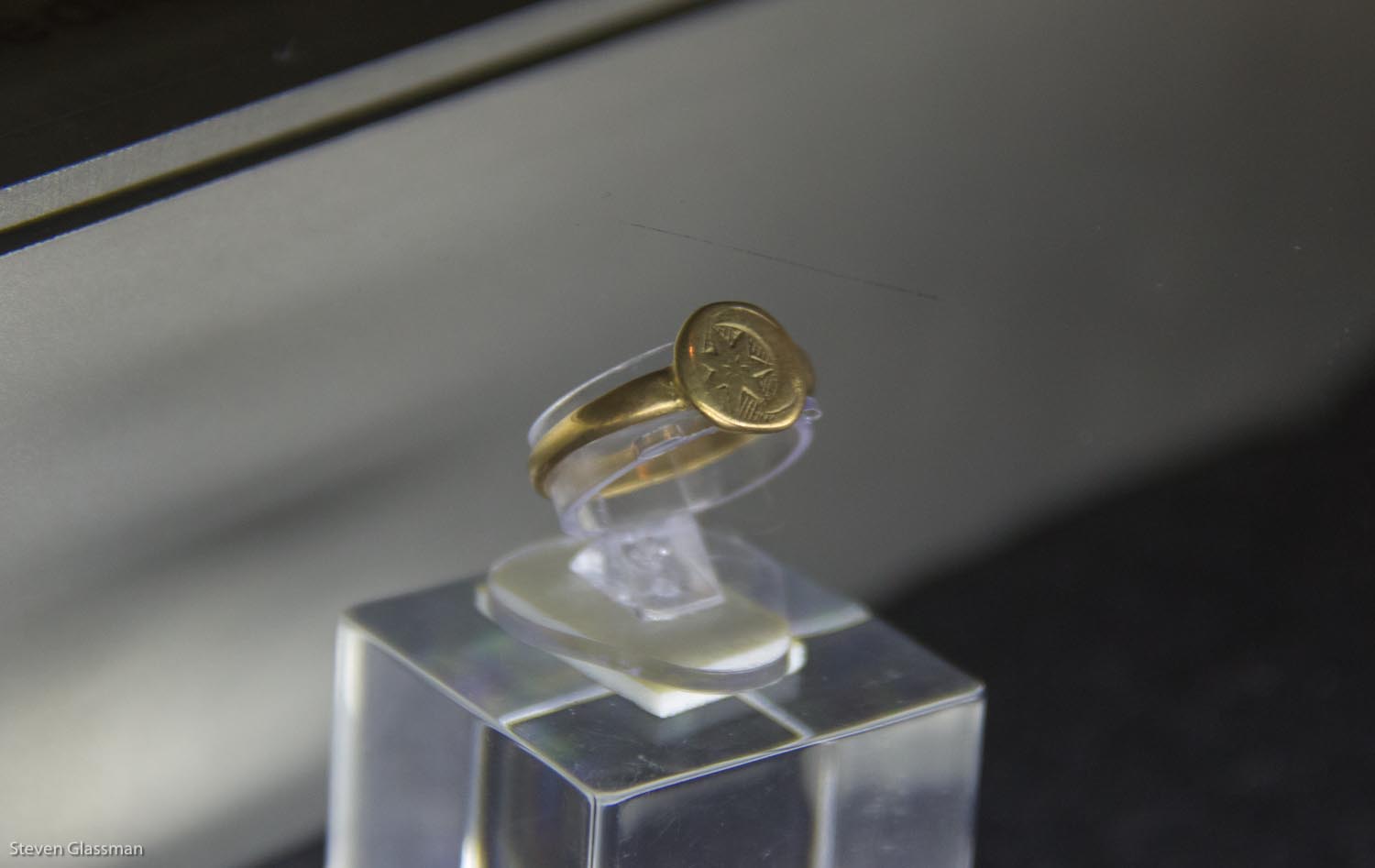
Next to the gold coins is a golden ring with the star-and-moon seal of the medieval Jewish community of Regensburg.
neupfarrplatz-11

This archway contains stairs which used to lead to the surface.

neupfarrplatz-12

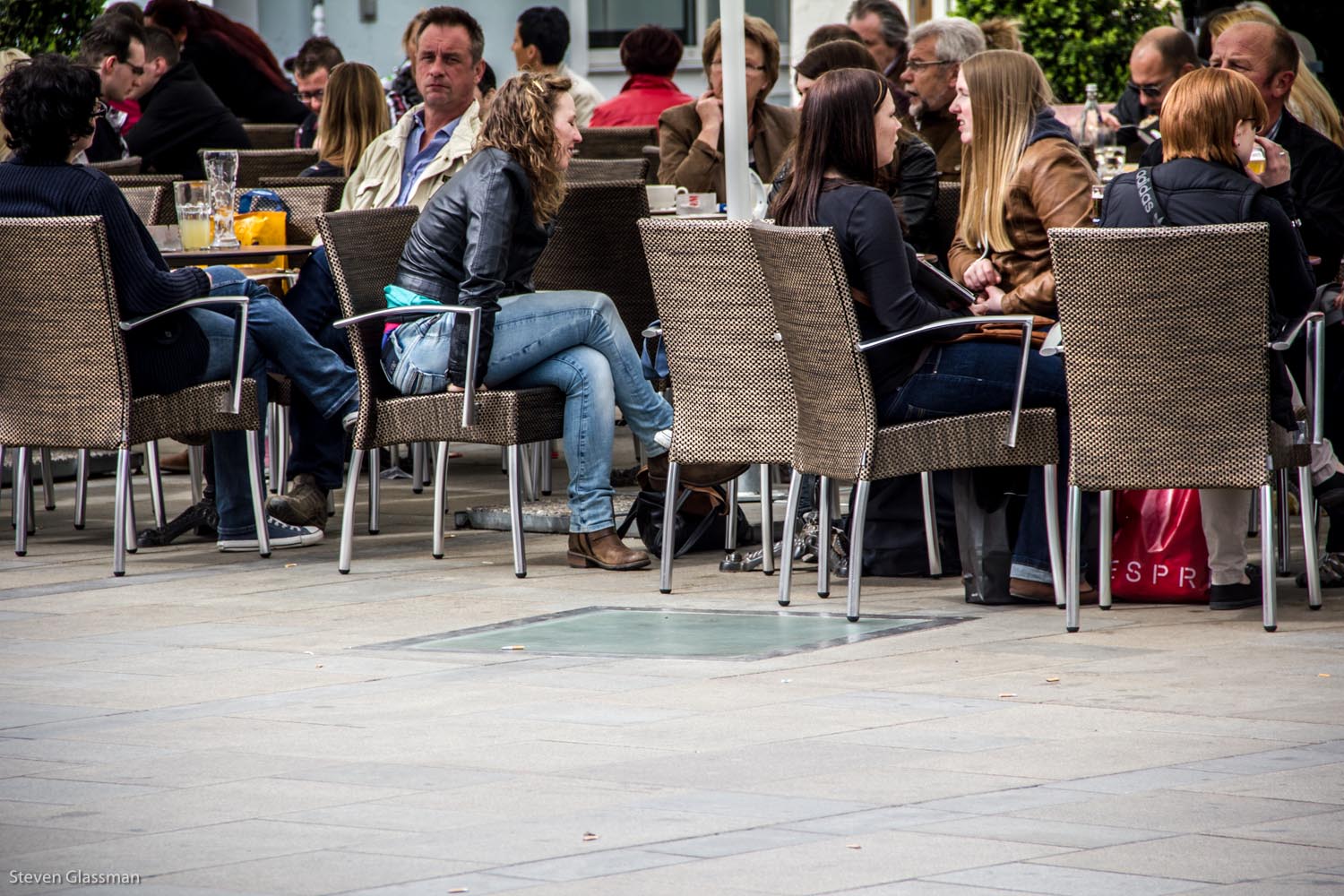
Above the stairs is a “window” embedded in the surface of Neupfarrplatz.  The window cost around €25,000 to install.

neupfarrplatz-13

Here’s the window from above ground-  the people at this cafe probably don’t realize they’re sitting almost directly above hundreds of years of history.
neupfarrplatz-2

Opposite the Neupfarrkirche is a white marble structure which shows the layout and position of the original medieval Jewish synagogue prior to it being destroyed in 1519.    This artistic representation of the old synagogue was created in 2005 by the Israeli sculptor Dani Karavan.  It was designed to be a “Place of Encounter, ” a symbol of Christians and Jews living together.  Hebrew lettering engraved in the space where the Torah was kept spell out the word “Misrach” to point to the east, toward Jerusalem.

The white marble is directly in front of an ice cream cafe, so it’s a popular place for people to sit and snack with friends on a sunny day.

neupfarrplatz-14

So a Roman, a Rabbi, and a Protestant walk into a bar…   I’m just kidding.

Have you ever been to an archaeological excavation?

Leipzig

I went to Leipzig on my way back from Dresden.  I didn’t stay overnight in Leipzig, I just took a few hours in between trains on the way back so I could see a bit of the city.

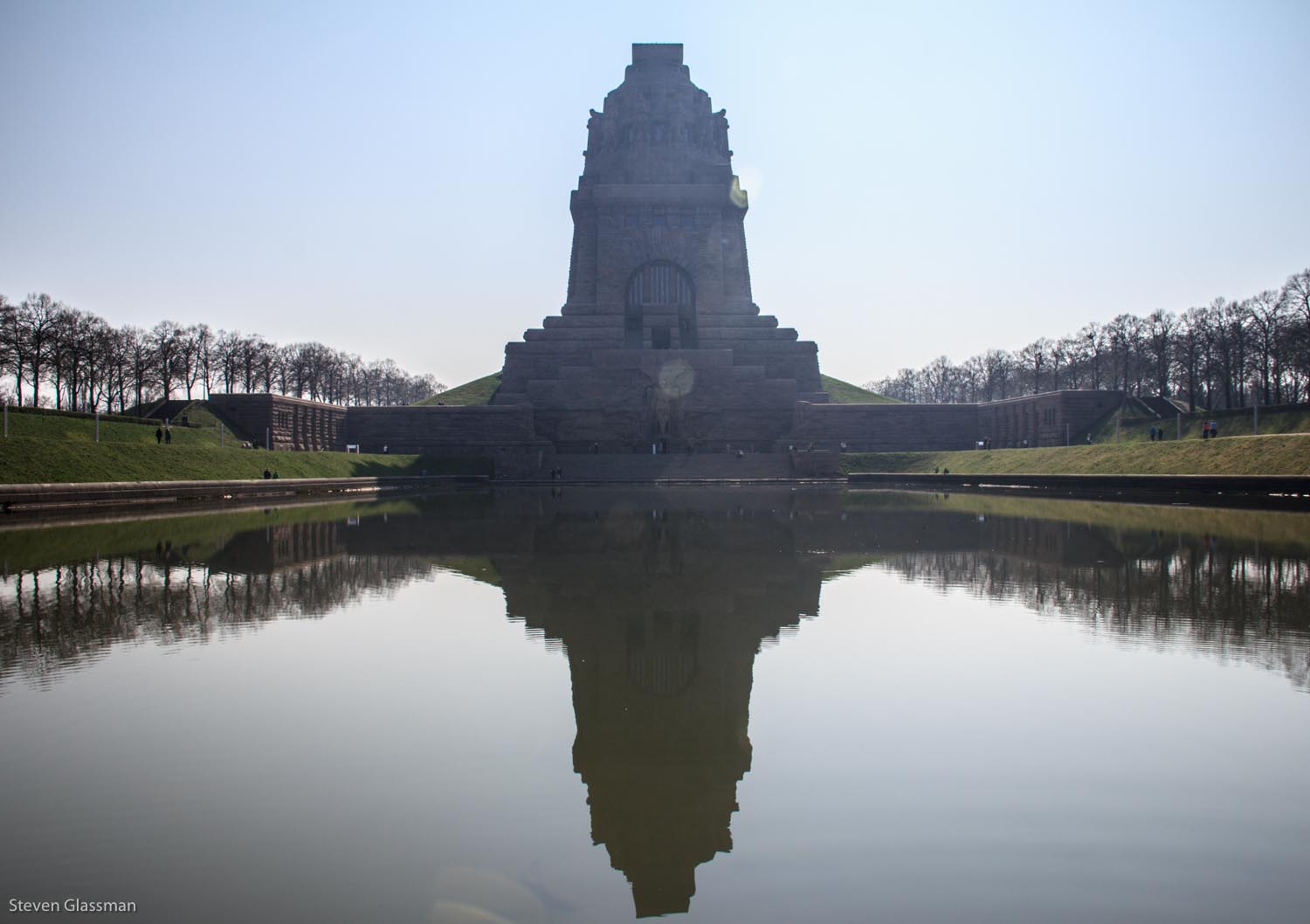
My first order of business was taking the number 15 tram to the Völkerschlachtdenkmal, known in English as the Monument to the Battle of the Nations.  This is a monument to commemorate Napoleon’s defeat at the 1813 Battle of Leipzig.

I only wish I’d had better conditions for photography.  The sun was behind the monument, which made getting a clear shot very difficult.  There are some really beautiful pictures of the Völkerschlachtdenkmal on the Internet.  Mine isn’t one of them.

leipzig-1

Coming back into the center of town on the tram, I stopped by the Panorama Tower, seen on the left.  It’s the tallest point in Leipzig, and for three Euros, you can go to the observation level at the top.

leipzig-2

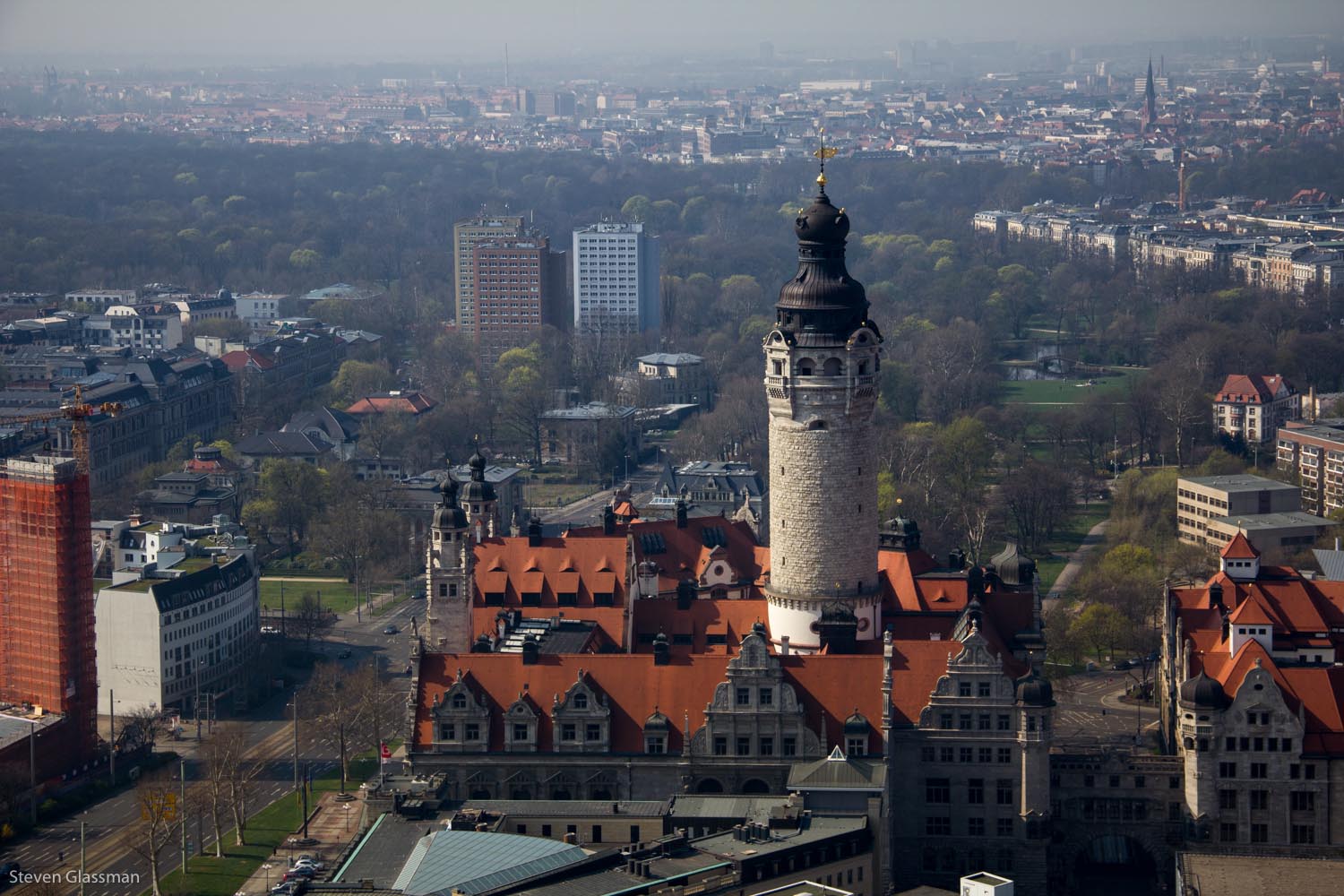
I was there on a really hazy day, but I still got a few nice shots from the top.

leipzig-3

The tall church visible in this photo is the Nikolaikirche (St. Nicholas Church).

leipzig-4

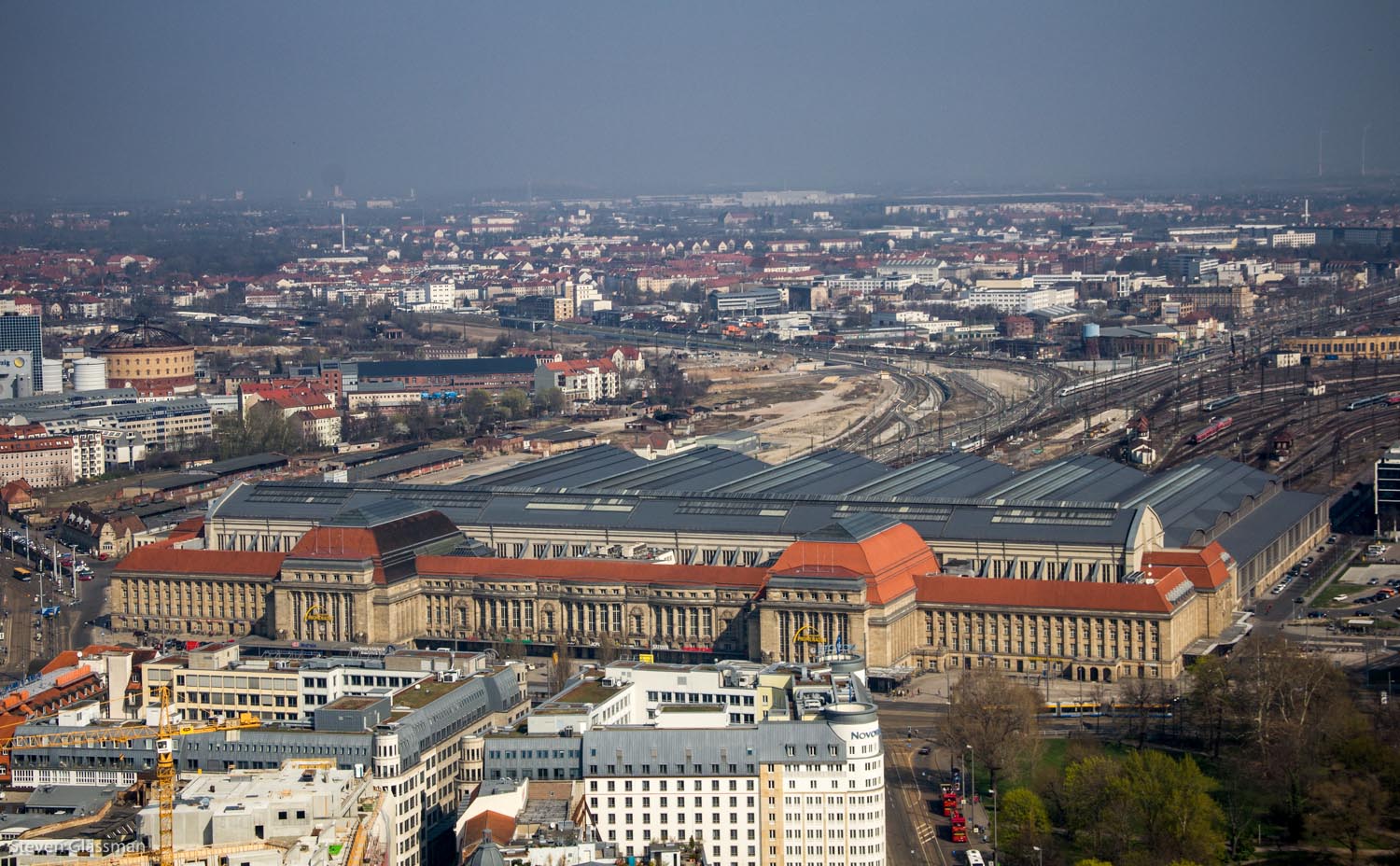
The Leipzig Hauptbahnhof is absolutely enormous.  I noticed the size of it when I arrived, and thought that perhaps it was the largest I had seen.  It turns out that I was correct-  according to Wikipedia, the Leipzig main station is the world’s largest railway station measured by floor area.  Here’s the outside, as seen from the Panorama Tower.

leipzig-5

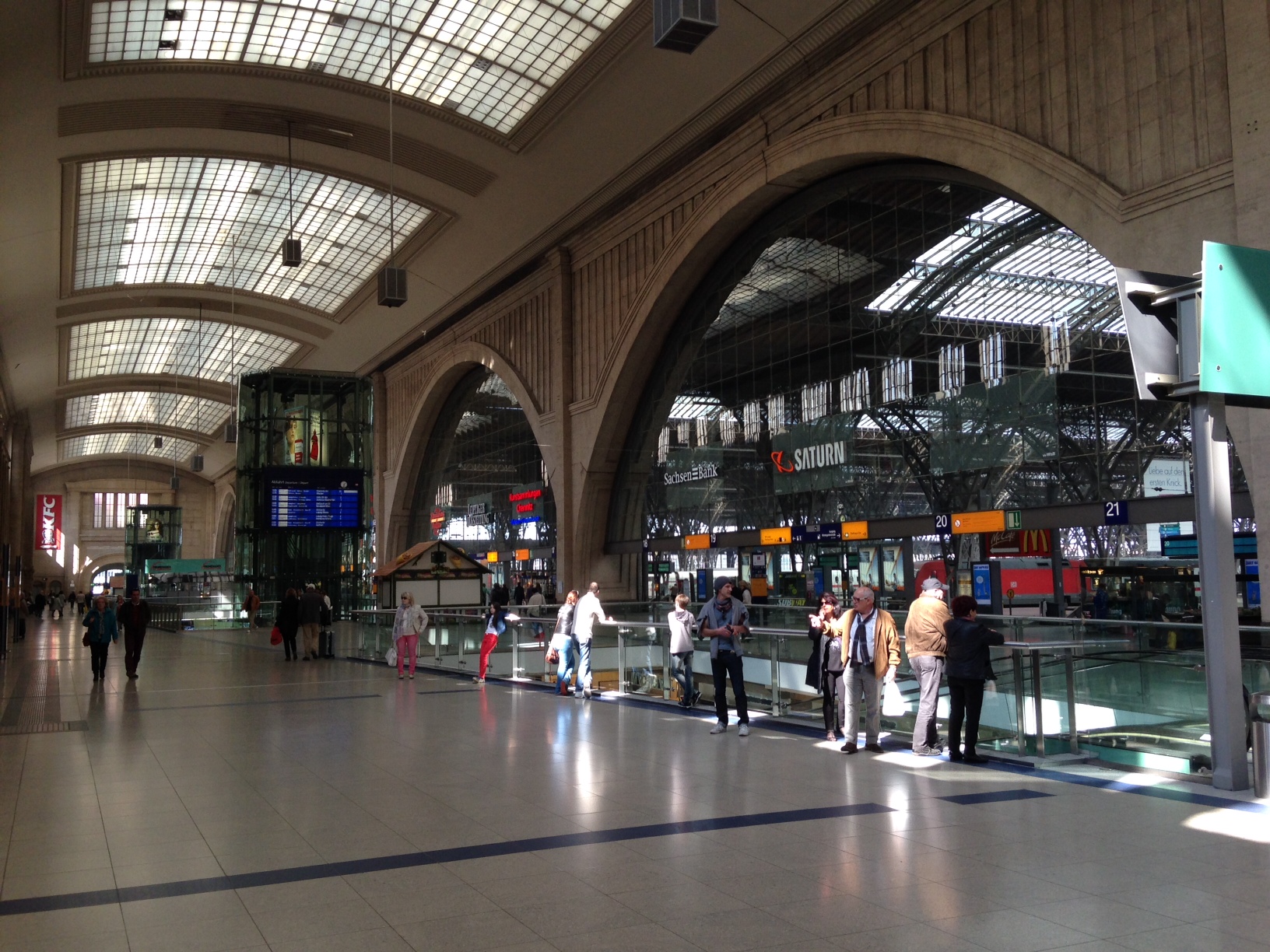
Here’s my attempt to capture the inside of the Leipzig station.  It was simply too big for even a single photograph to capture.

leipzig-13

In every city I’ve ever visited, someone has been playing music for money.   Leipzig was no exception.

leipzig-6

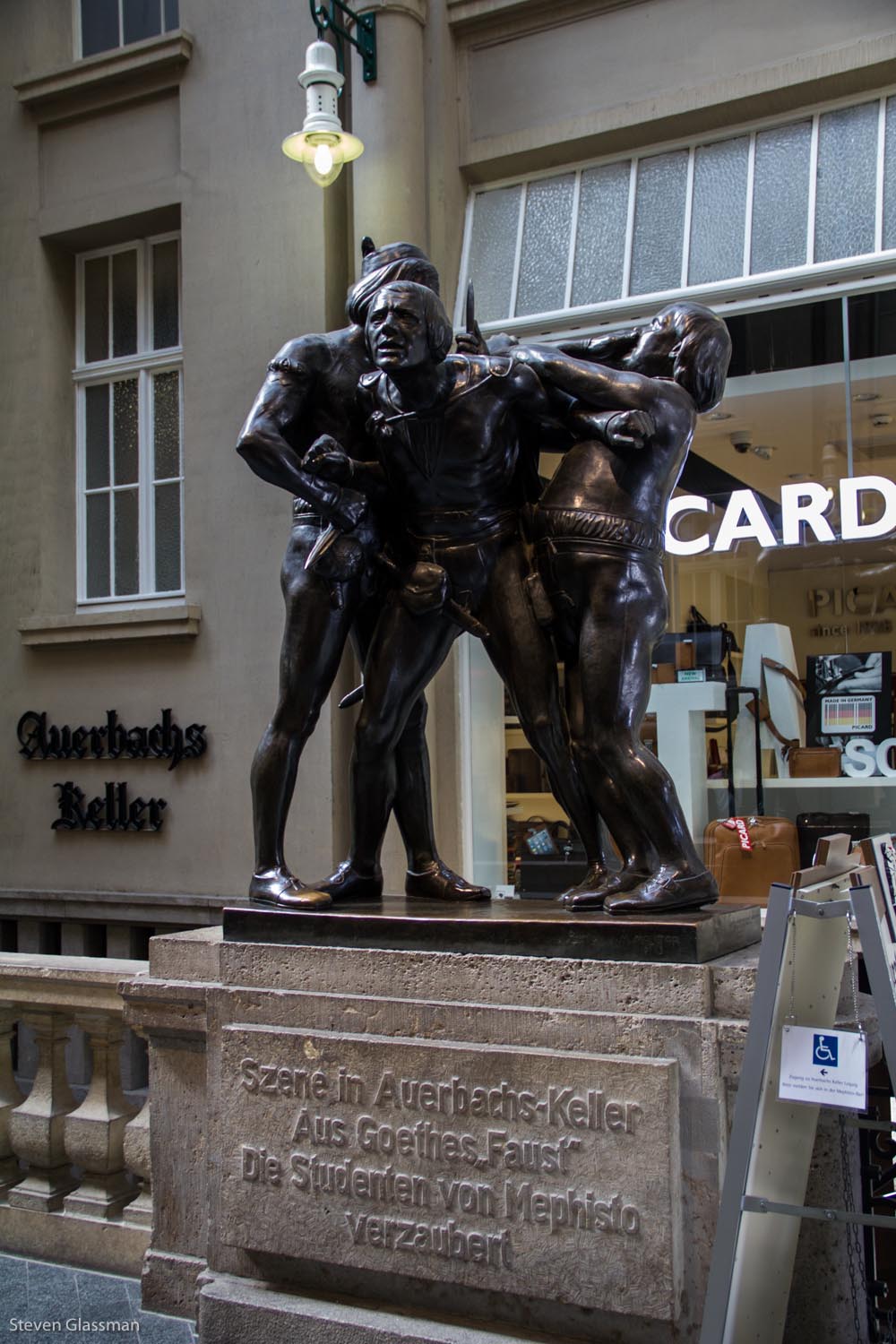
These next two photos are of statues inside the Auersbachs Keller Leipzig which were interesting to me.  The statues face each other.  The first depicts students bewitched by Mephisto.

leipzig-7

The second depicts Mephisto and Faust.

leipzig-8

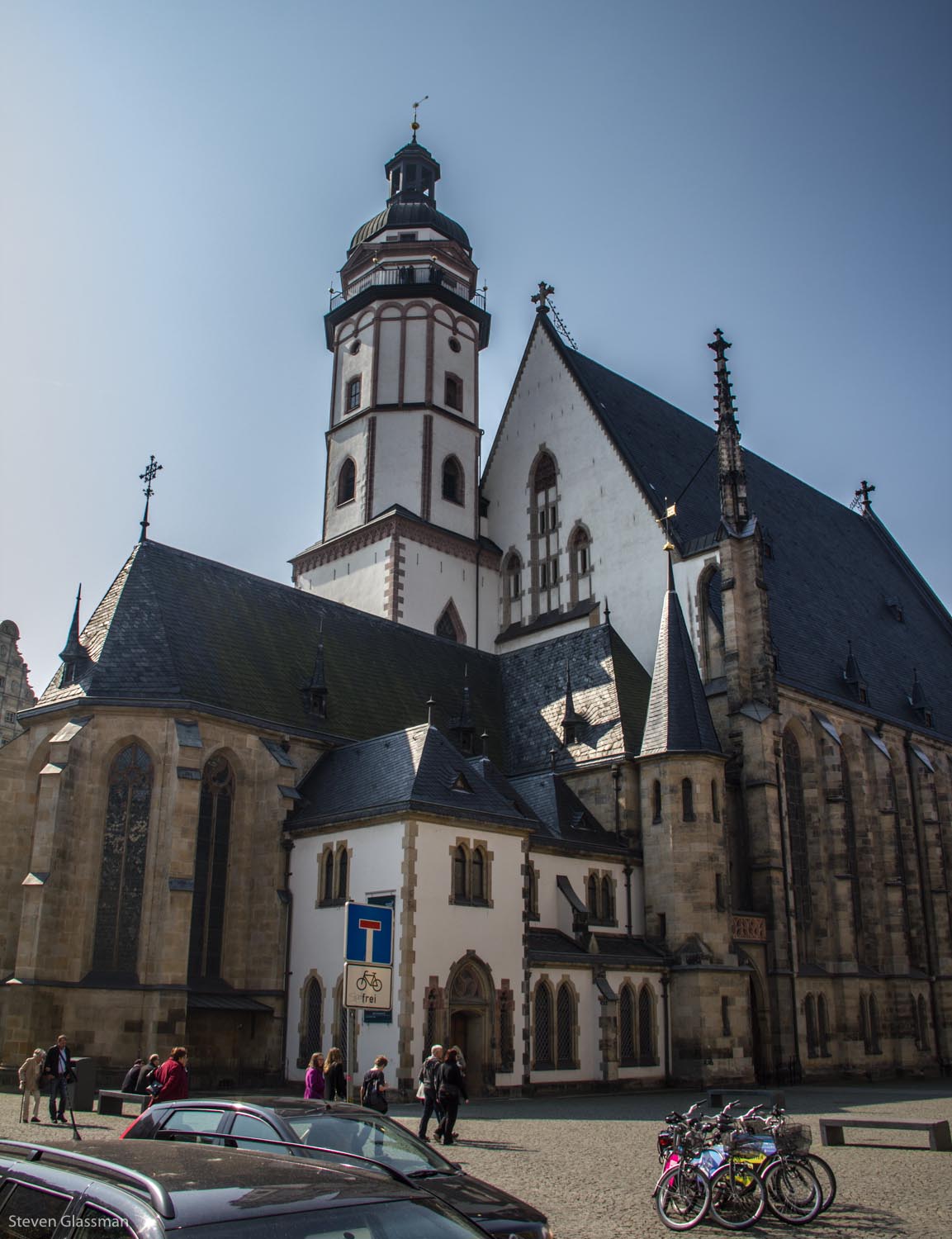
Walking through the city, here’s Nikolaikirche up close.

leipzig-9

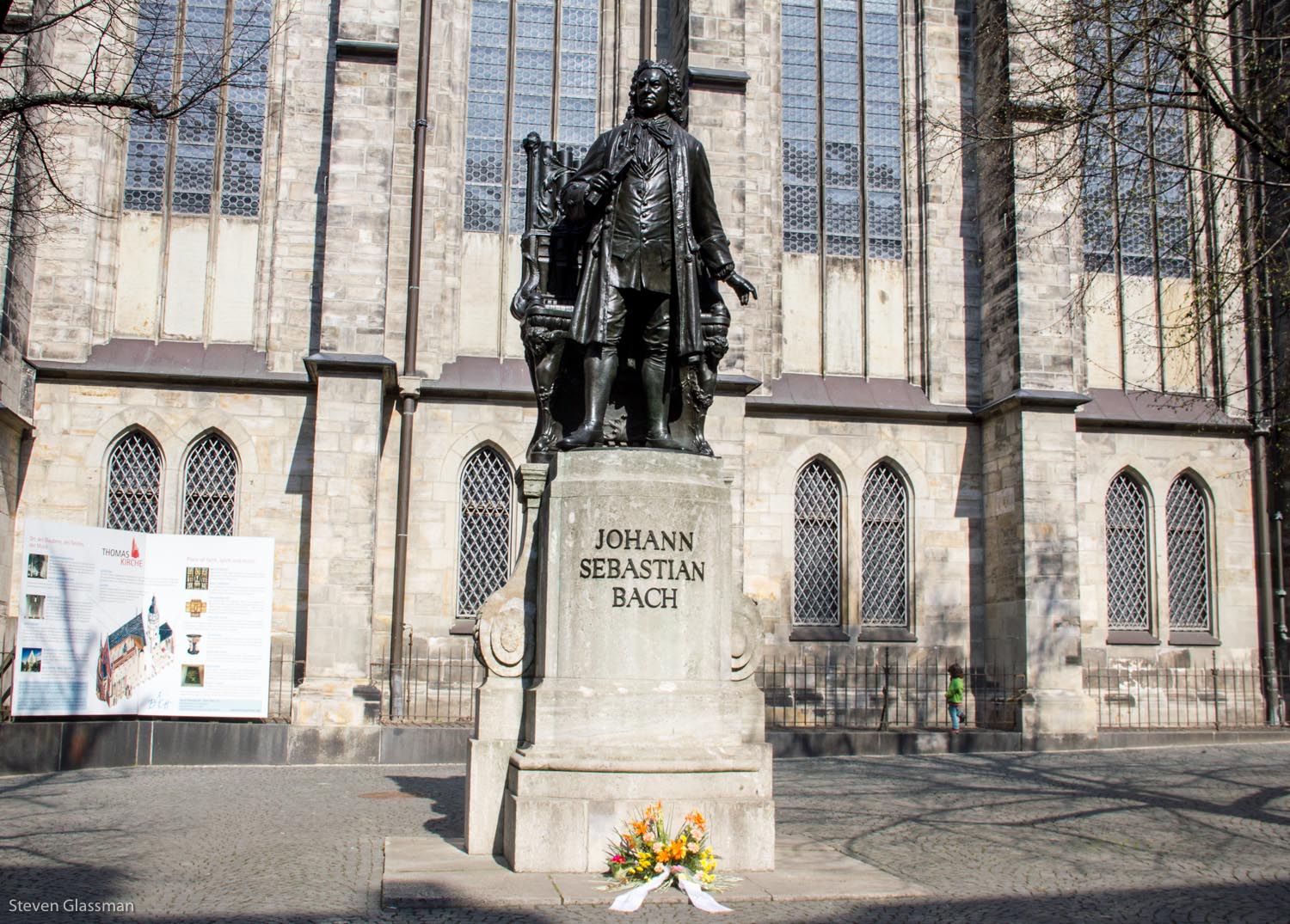
On the side of the Nikolaikirche, opposite the Bach museum, is a nice statue to Bach.  Between Bach, Mozart, and Goethe, I’m collecting the whole set.

leipzig-10

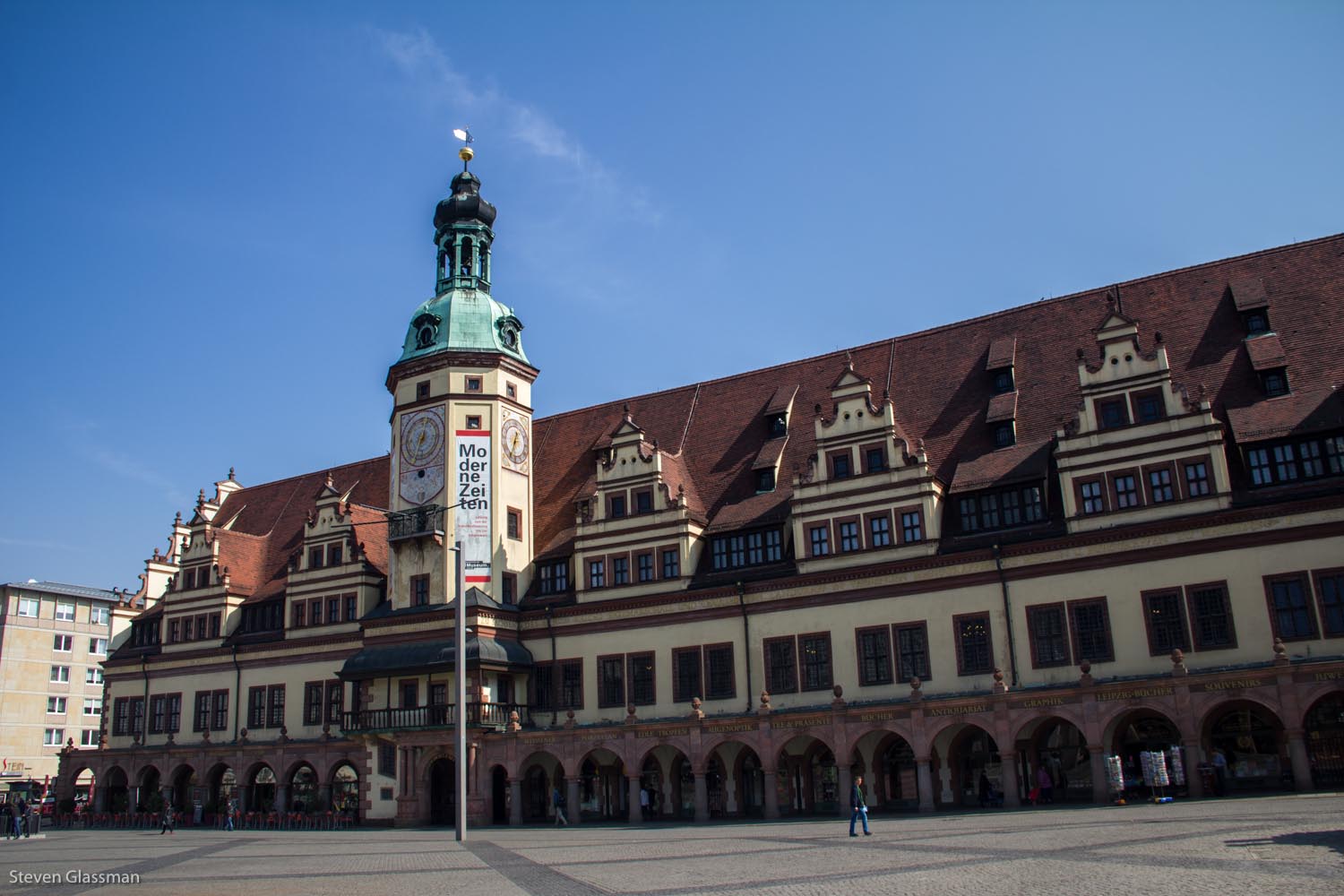
I think this is the New Town Hall.

leipzig-11

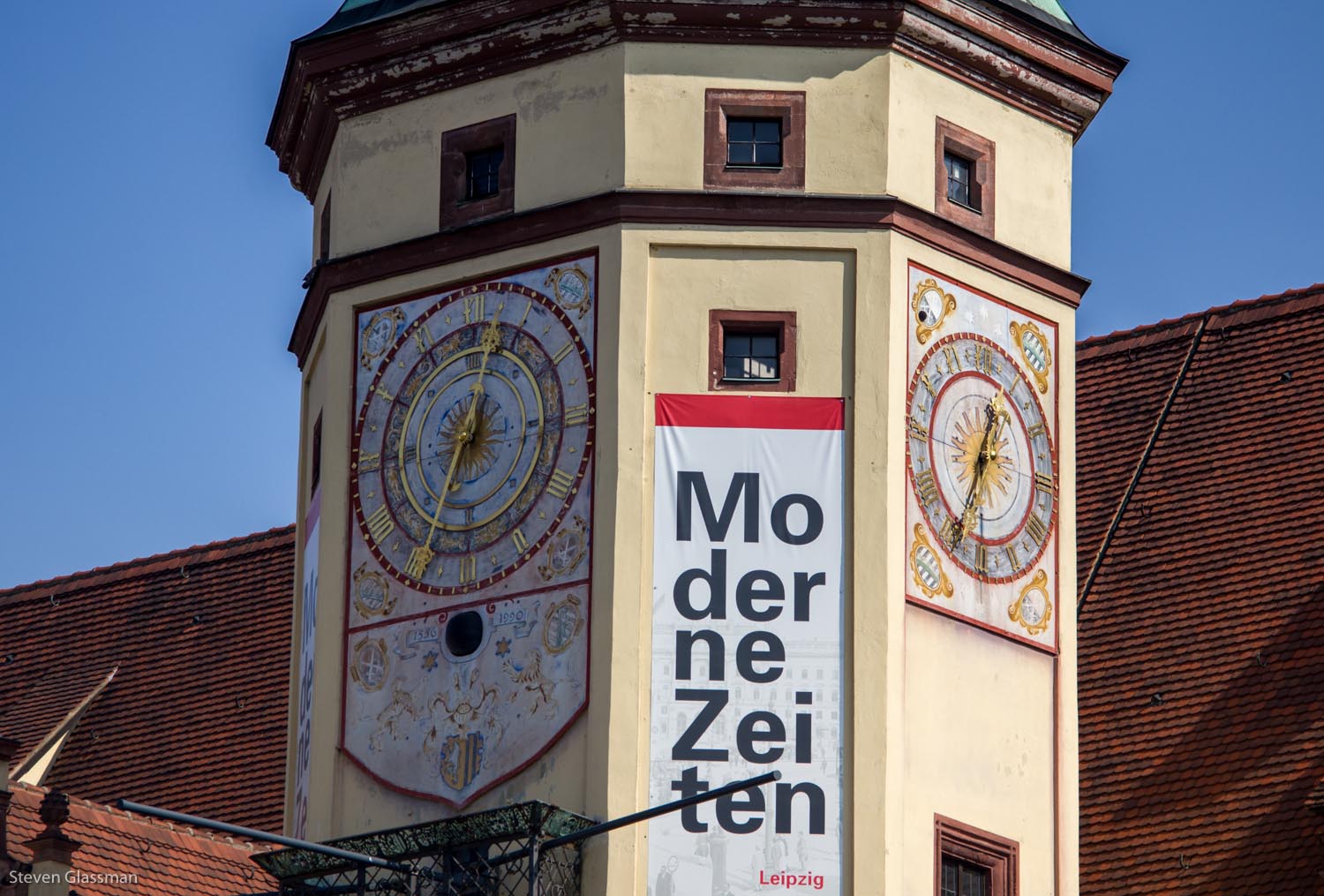
Even if it isn’t, I liked the clock in this tower.

leipzig-12

Have you ever been to Leipzig? 

Der Kleine Horrorladen in Erding

In the first week of April, I took a relatively brief trip to Erding to see Der Kleine Horrorladen, which is one of my favorite musicals – the Little Shop of Horrors – completely in German.

Erding is a small-ish town a little to the north of Munich.  By car, it would probably have taken me about 90 minutes to get there, but using public transport it was an 80 minute train ride to Munich, and then a 51 minute S-Bahn ride out to Erding.   I debated whether to stay overnight for this, but I’m really glad I did-  trying to make it back to Munich after the show would have been rushed, and I would have been on a late train that gets back to Regensburg at around 1:30 in the morning.  Sleeping in Erding and having a more relaxed trip back to Regensburg in the morning was definitely the way to go.

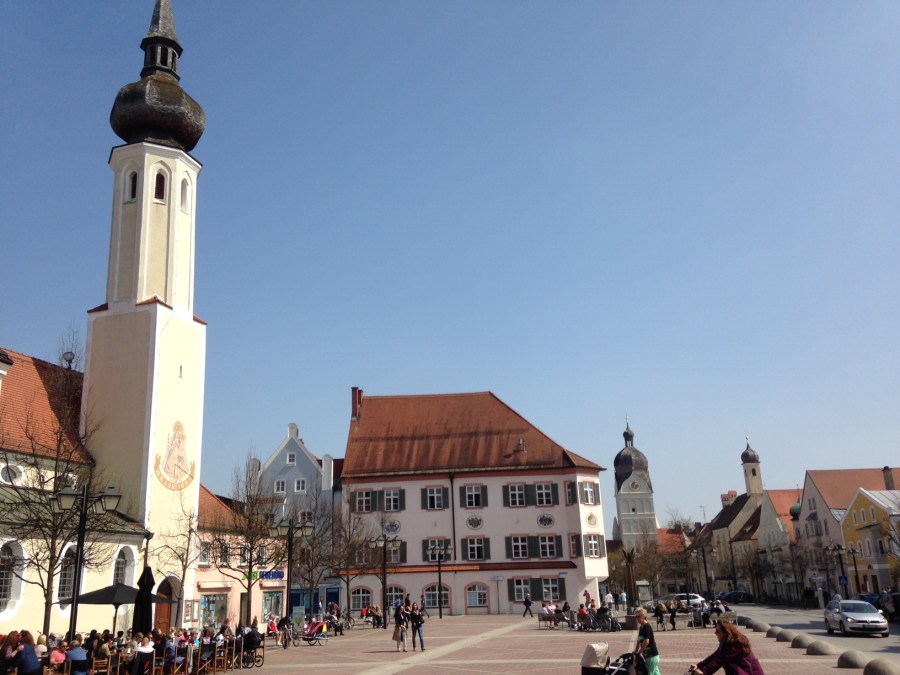
Erding is a nice little town.  When I arrived, I walked from the Bahnhof to my hotel, a little under a kilometer.  The center of Erding is very compact.  I like towns that have this kind of “gateway” in their architecture.

erding1

Sunny weather means the sidewalk cafes are full, even on a Wednesday.  Lunchtime is serious business in Bavaria.

erding2

In the evening, I want to Stadthalle Erding for the show.  The auditorium isn’t a full time theater- the seats are really just numbered stackable chairs.  They have a decent stage though, and the acoustics weren’t as bad as I expected them to be for a room that is entirely done in wood paneling.  My seat was literally the furthest seat you could possibly get from the stage.

erding3

As for the show, this is a small touring company.  The picture and video below are promotional material for this particular cast.  I’ve seen nicer stage versions of the plant, but I still enjoyed the show quite a lot.  I’m always fascinated when I see musicals here to see how they change the lyrics, which were originally English, to German.  When I saw West Side Story, they actually kept the songs in English and only translated the spoken dialogue.

Here, the entire thing was auf Deutsch, end to end.  Just as with Starlight Express, some of the lyrics had entirely different meanings in order to have a rhyme scheme that would fit with the music.  I was pretty impressed with how much of the original meaning could be kept without losing rhyme or rhythm though.

derkleinehorrorladen

Have you ever seen a musical auf Deutsch?  Was it The Little Shop Of Horrors?

Dresden

During the last weekend in March, I went to Dresden and Leipzig. I partly went because I wanted to knock off two more Category One stations from my list, but I would have gone even without the stations- I’d heard nothing but good things about Dresden, and I was really looking forward to seeing it.

My walk through Dresden was a big counter-clockwise circle.  I started by taking the tram over the Elbe river and walking toward the Augustusbrücke and the Golden Rider.  On the way, I found a puppetry museum.

dresden-1

I thought I would have a difficult time finding the Goldener Reiter, but it turns out he wasn’t subtle at all.

dresden-2

There were lots of interesting statues all over town.  I particularly liked this one, near the Augustusbrücke.

dresden-3

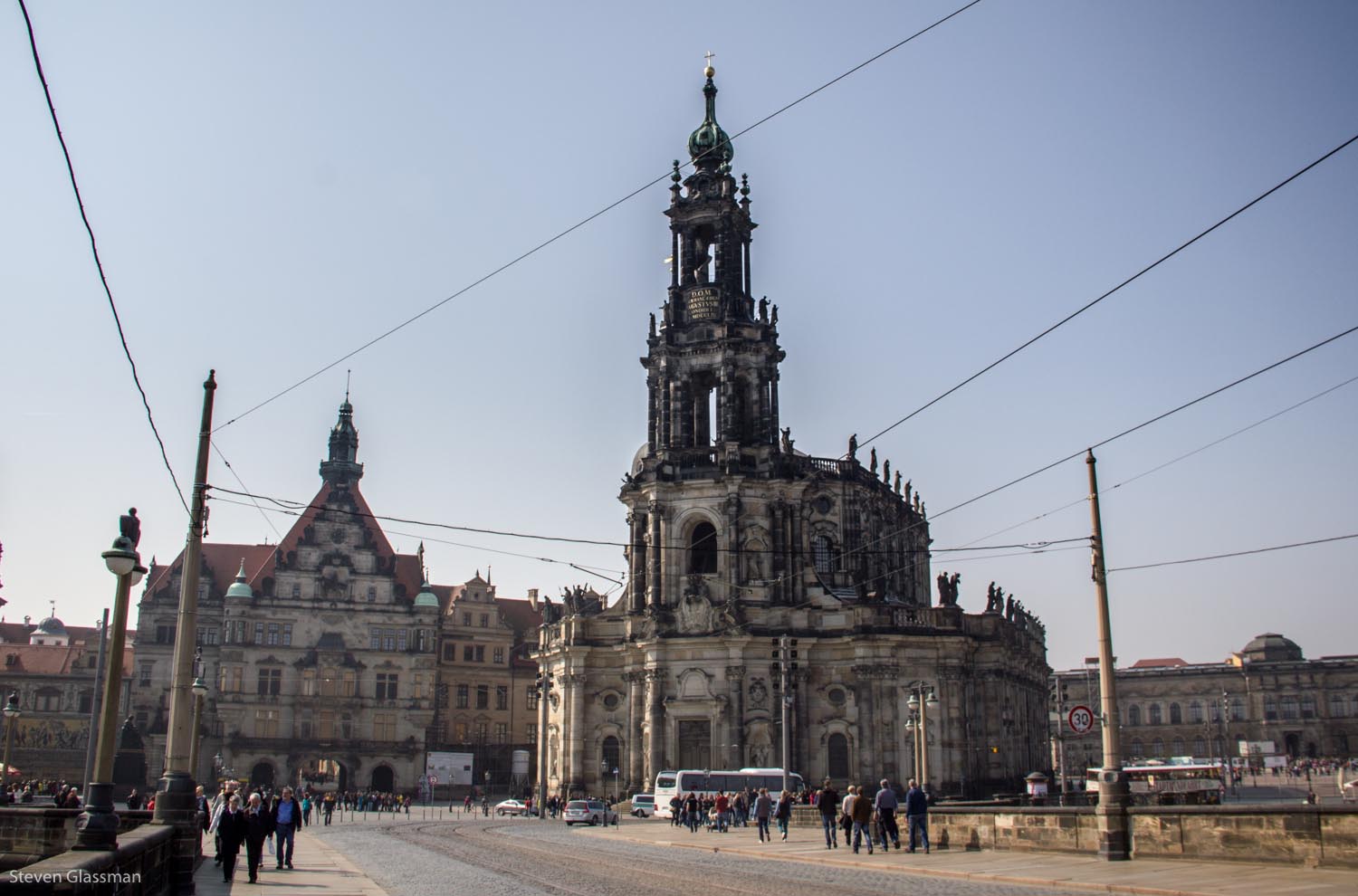
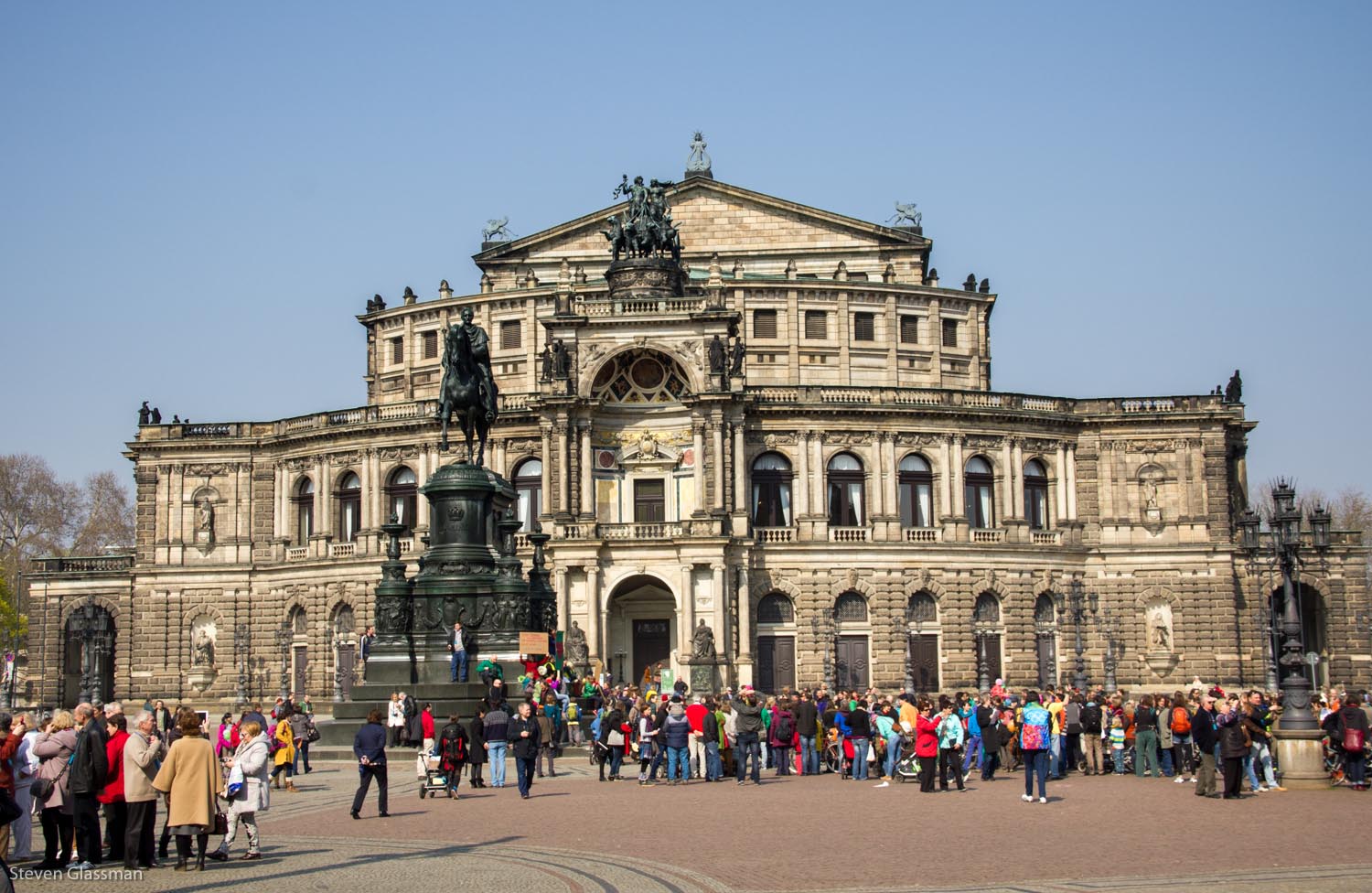
Walking across the Elbe on the Augustusbrücke from the north, this is the view into the city.   The structure on the right is the Catholic Church of the Royal Court of Saxony.

dresden-4

This statue is in the courtyard to the left of that church.

dresden-6

When I reached the end of the bridge, I stumbled across a protest.   The little girl behind this sign was honking a noisemaker and there were cymbals and that sort of thing.   One of the people protesting came to talk to me about it- apparently there’s an upcoming rule that will prevent midwives from working due to insurance regulations.   For the curious, here’s a site detailing the protest, a FaceBook group about it, and a Bundestag petition fighting it.

dresden-5

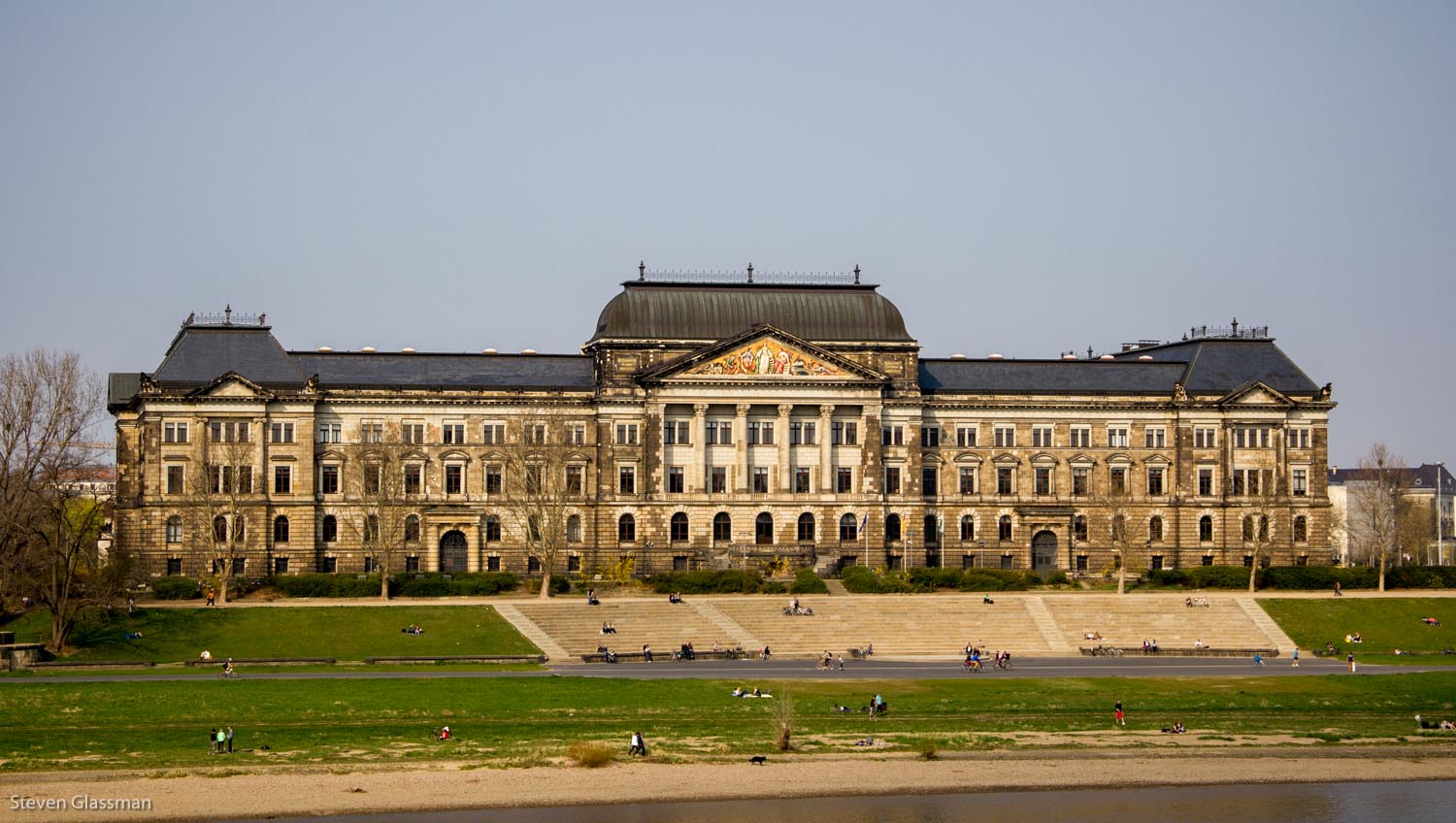
Continuing my walk around the city, I snapped this picture because I thought it would look awesome.

dresden-7

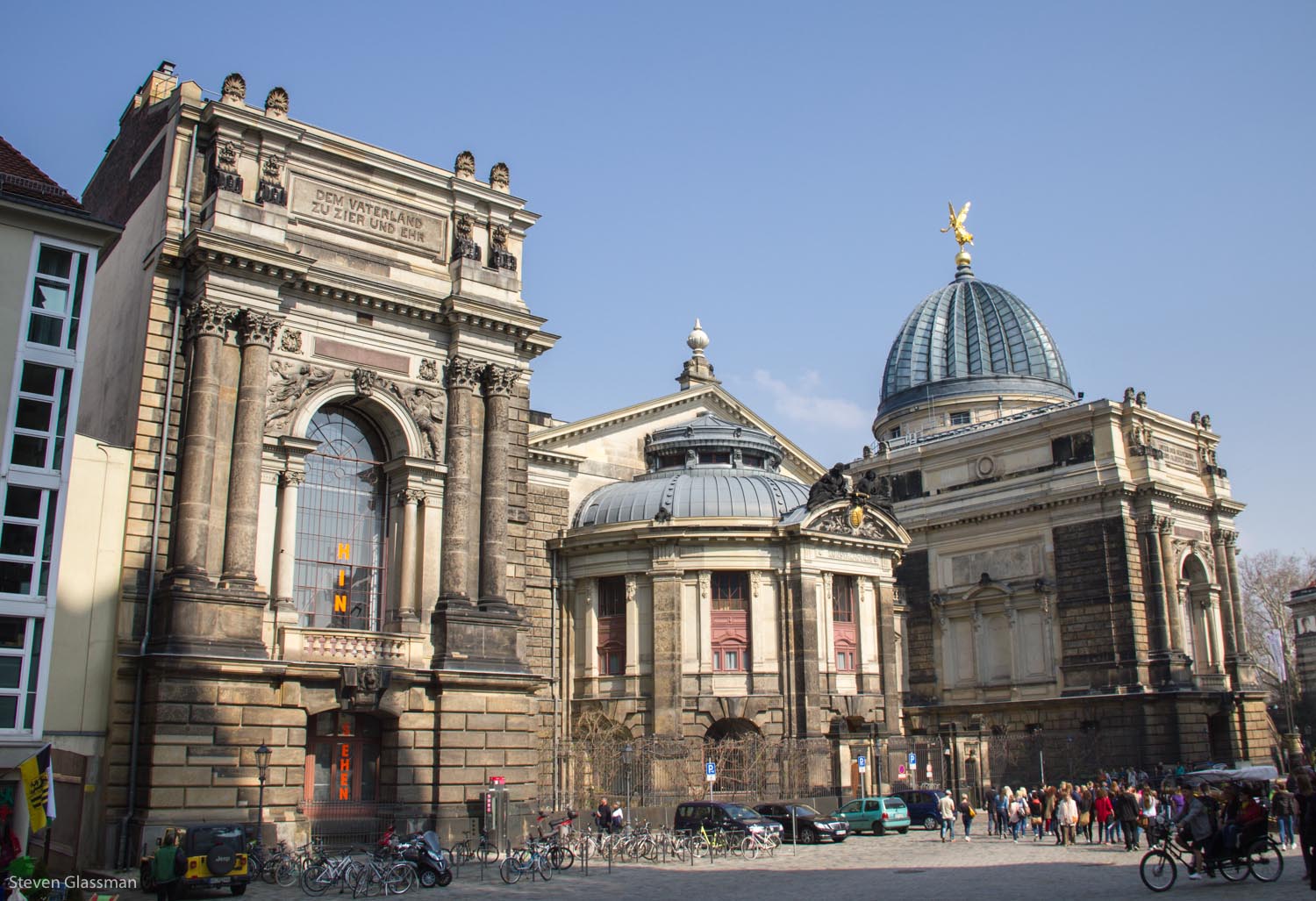
This structure was directly across from the Church.  I’m still not entirely sure what this was.

dresden-8

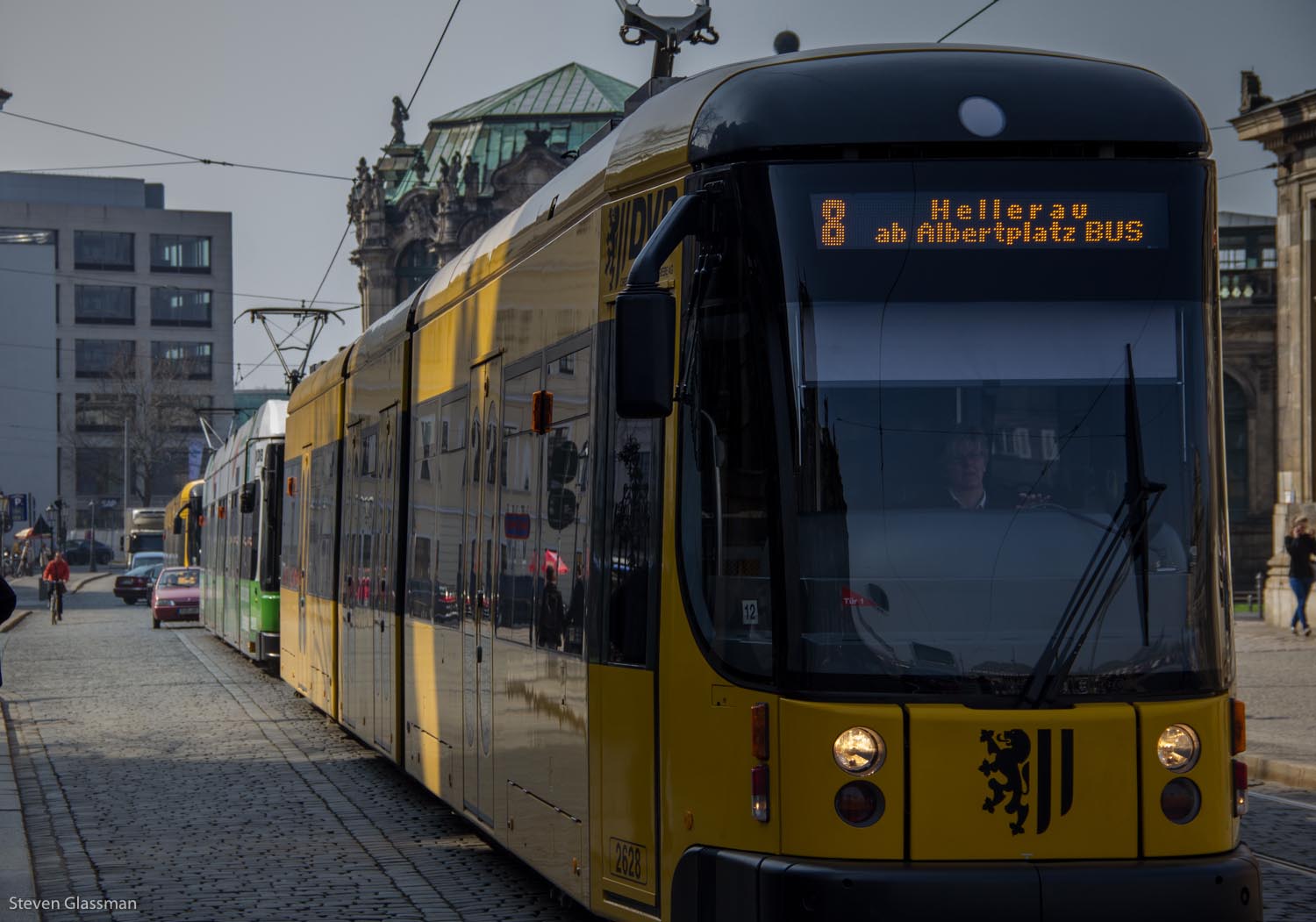
The protest and parade backed up traffic a bit.  I’m glad I wasn’t on one of these trams.

dresden-9

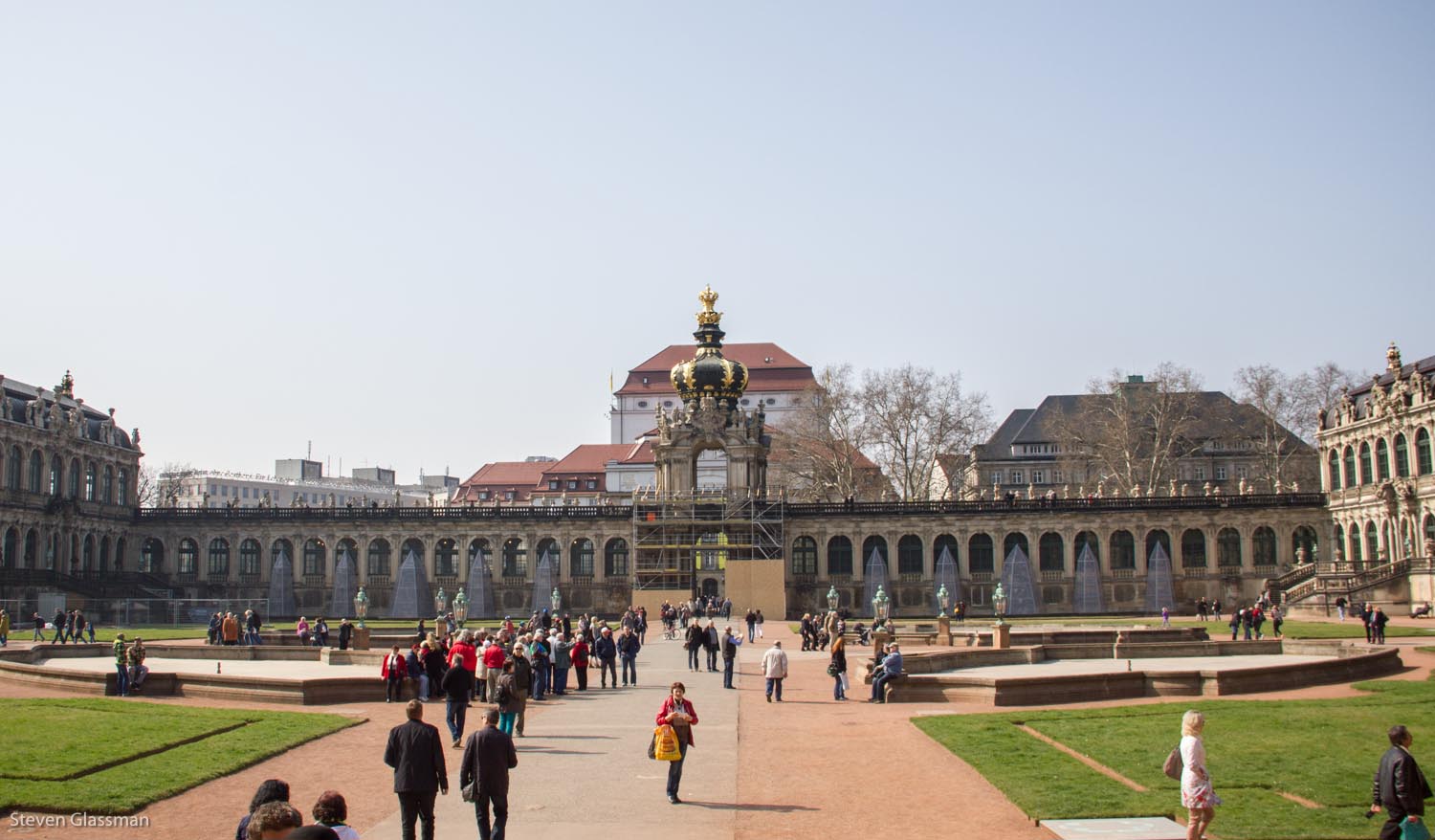
My next stop was the Zwinger, an old palace which is now the home of several museums including my destination, the Gemäldegalerie Alte Meister (Old Master’s Picture Gallery.)

dresden-10

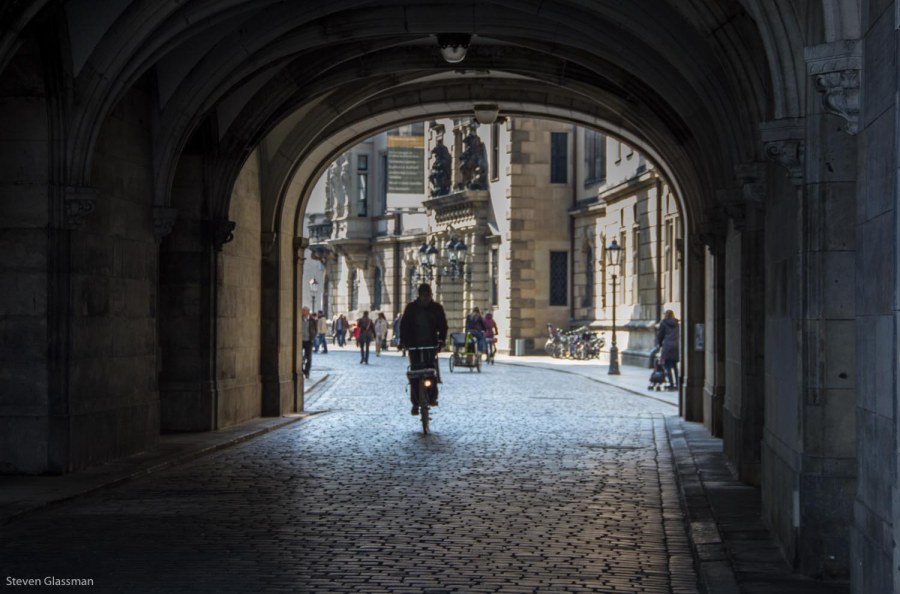
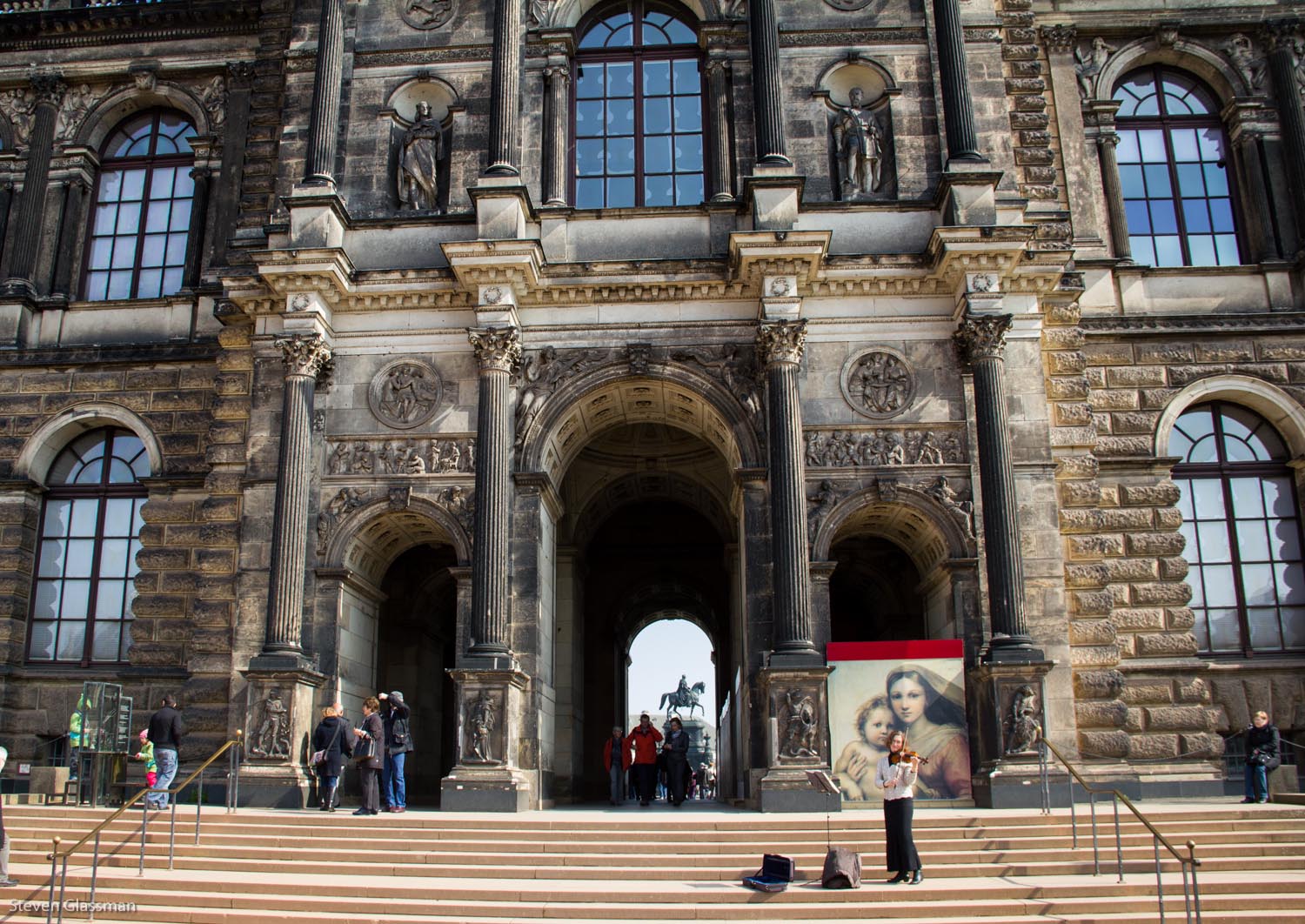
While inside, I walked past Boticellis, Vermeers, Rembrandts, Rubens, and more.  A particular highlight was Raphael’s Sistine Madonna, a very large painting which most people know from the two Cherubim in the bottom.  There’s a picture of the full painting over on Wikipedia if you’d like to see it.  The main entrance to the gallery is in this archway.  I walked right past it into the courtyard at first.

dresden-11

From the Zwinger, I went on to one of the most well known landmarks in Dresden, the Frauenkirche, or Church of Our Lady.  The church was completely destroyed during the bombing of Dresden in World War II, but was rebuilt after German reunification in 1990.

dresden-12

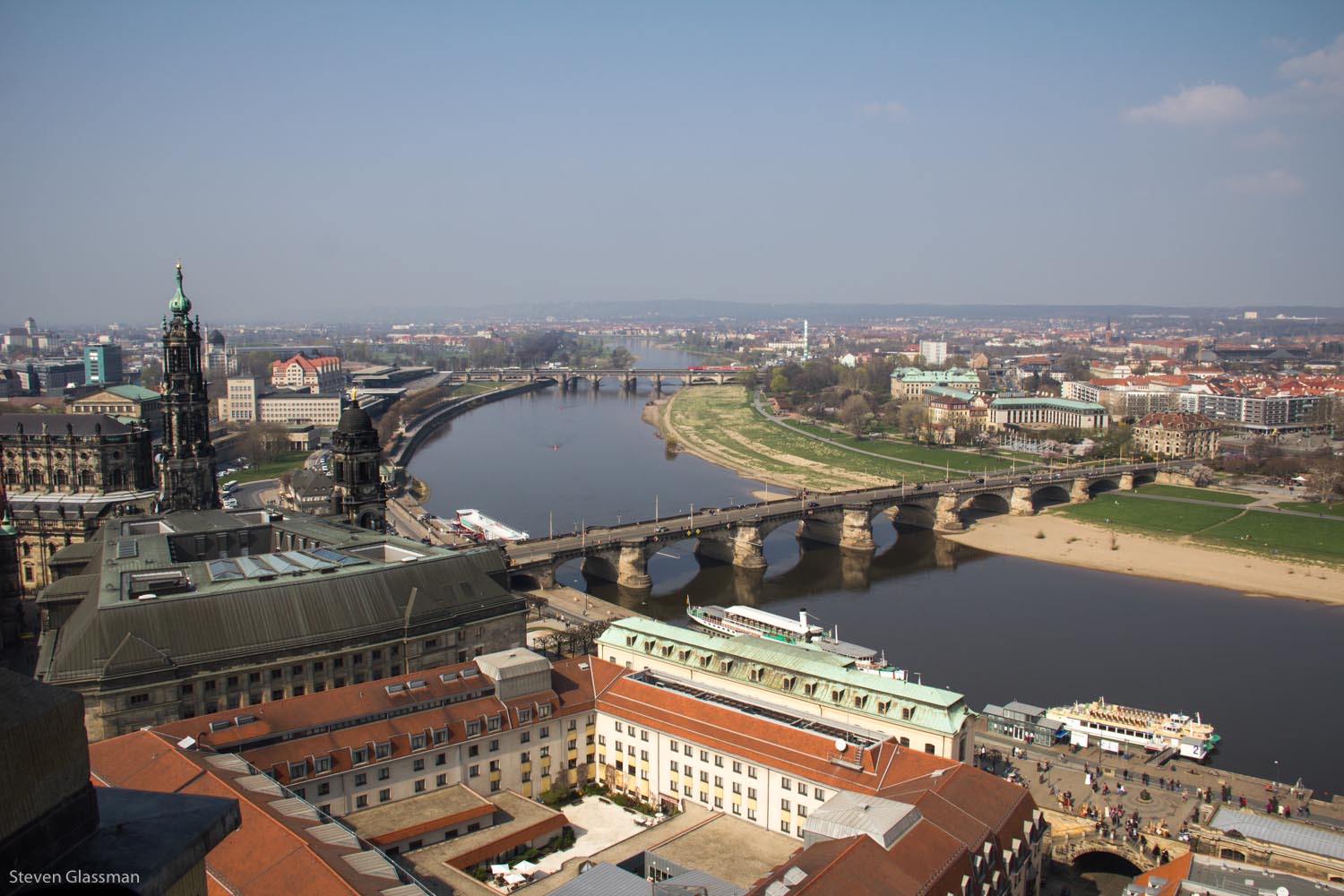
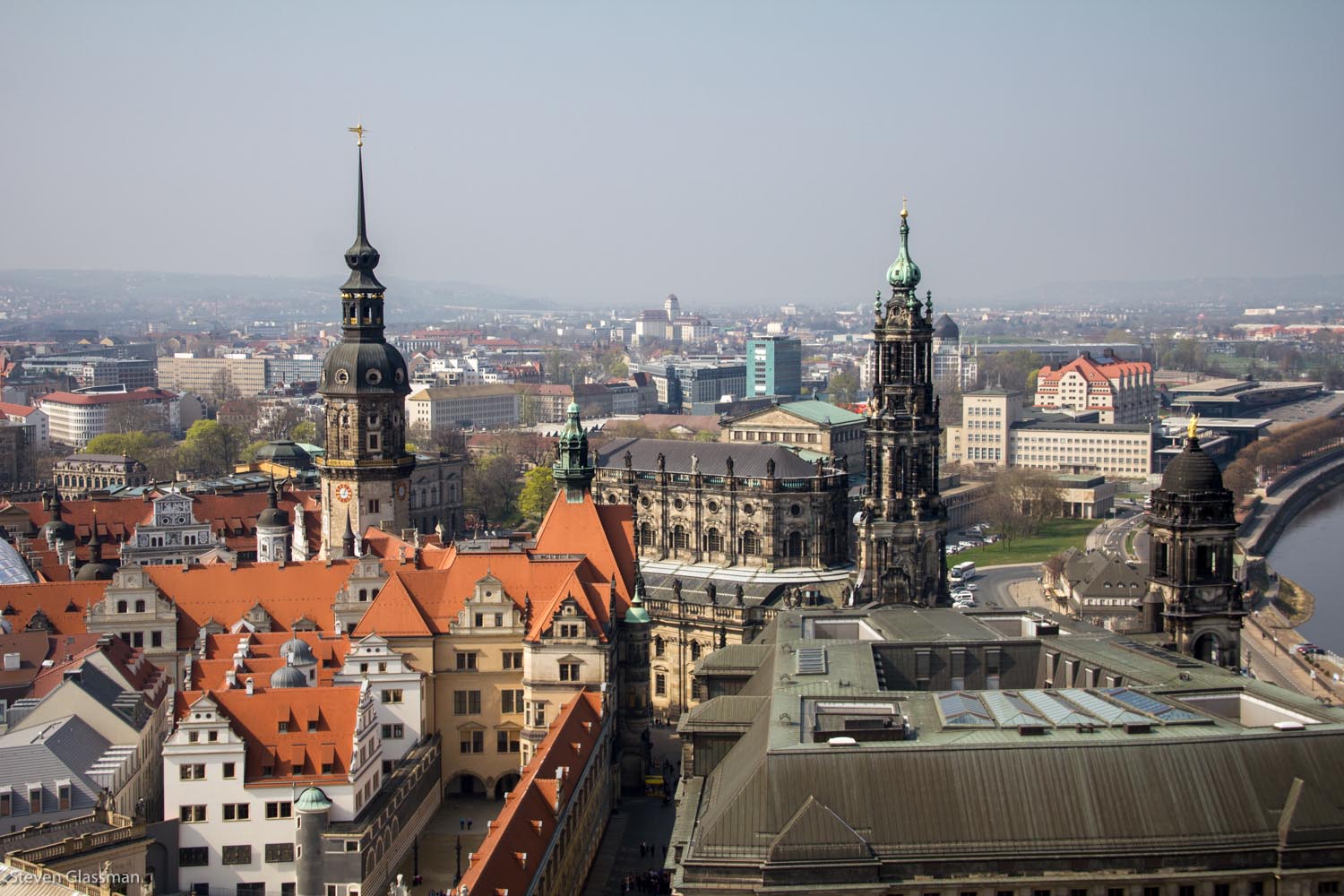
For a small fee, you can ascend to the top of the Frauenkirche.  There’s an elevator for the first chunk, then a smooth ramped walkway circling the dome, then stairs at the very top.  Great views from the top, though.  This one contains the Augustusbrücke and the church I mentioned earlier.

dresden-14 dresden-15

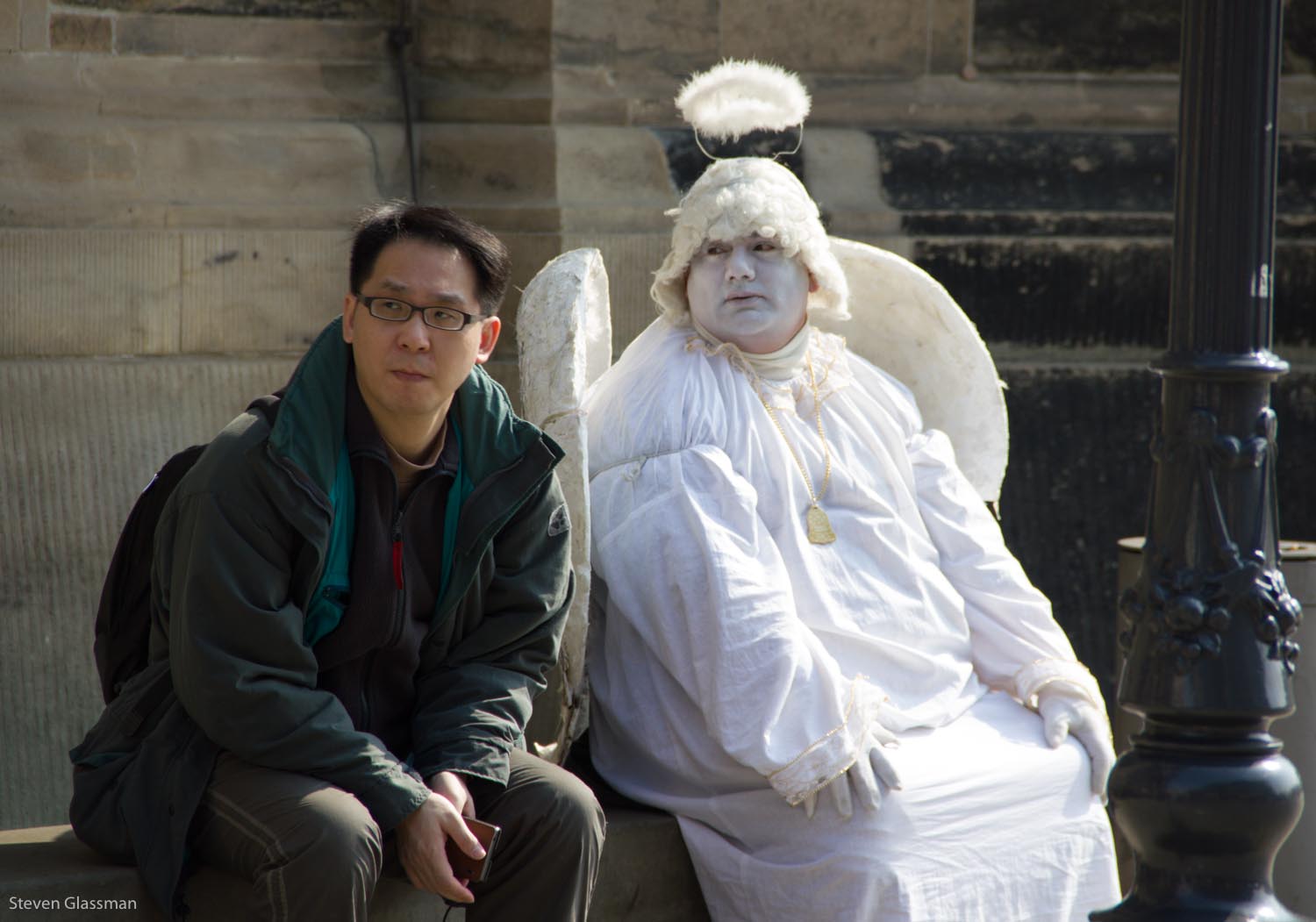
After I got back down from the dome, I wanted to see the inside of the church.  This image amused me terribly.  I guess angels really are everywhere!

dresden-16

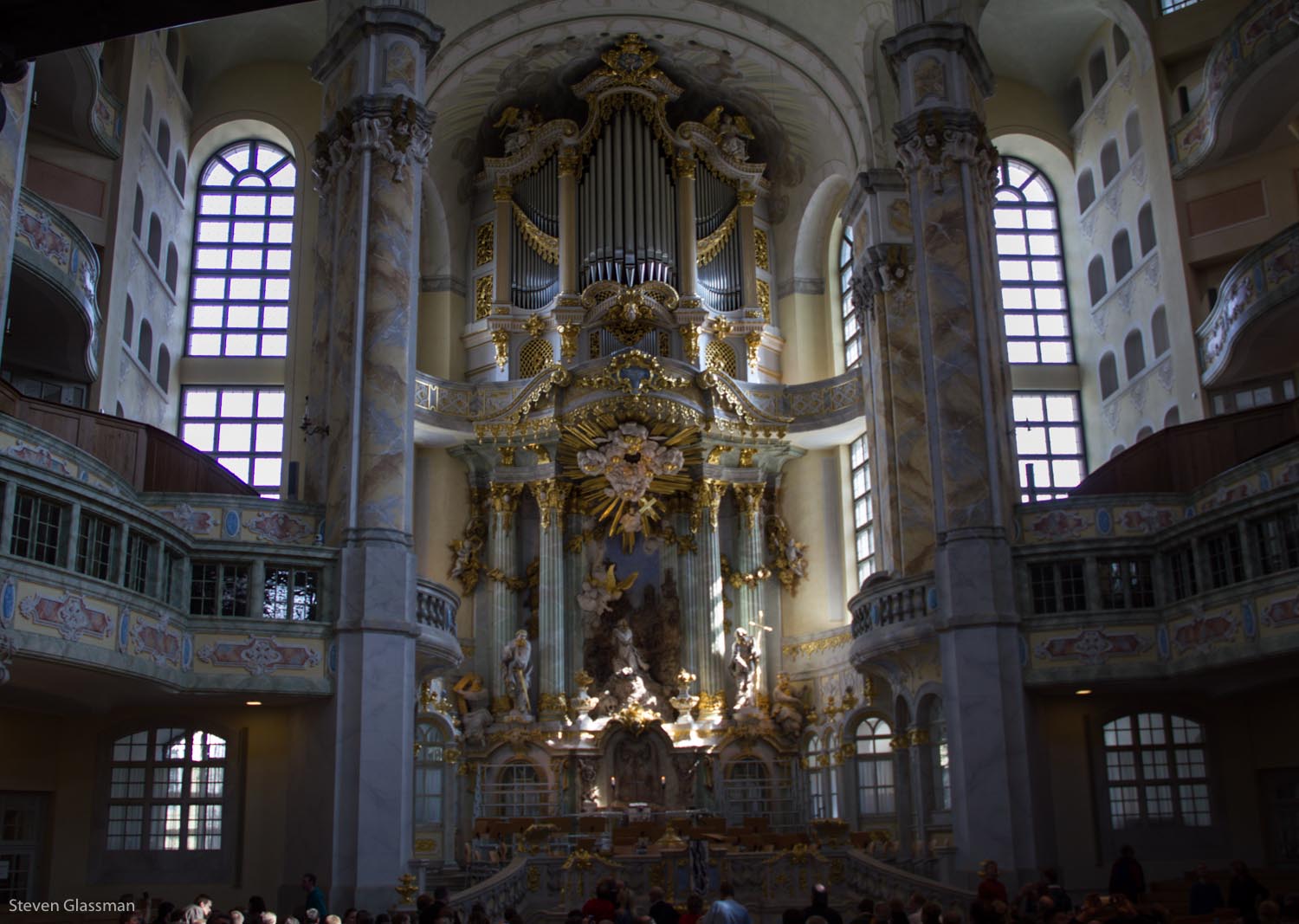
Inside the rebuilt Frauenkirche.

dresden-17

Across the square from the Frauenkirche are plenty of other picturesque buildings.  I saw this one just before I went for lunch at the Canadian steakhouse.  I had a tasty bison steak.

dresden-13

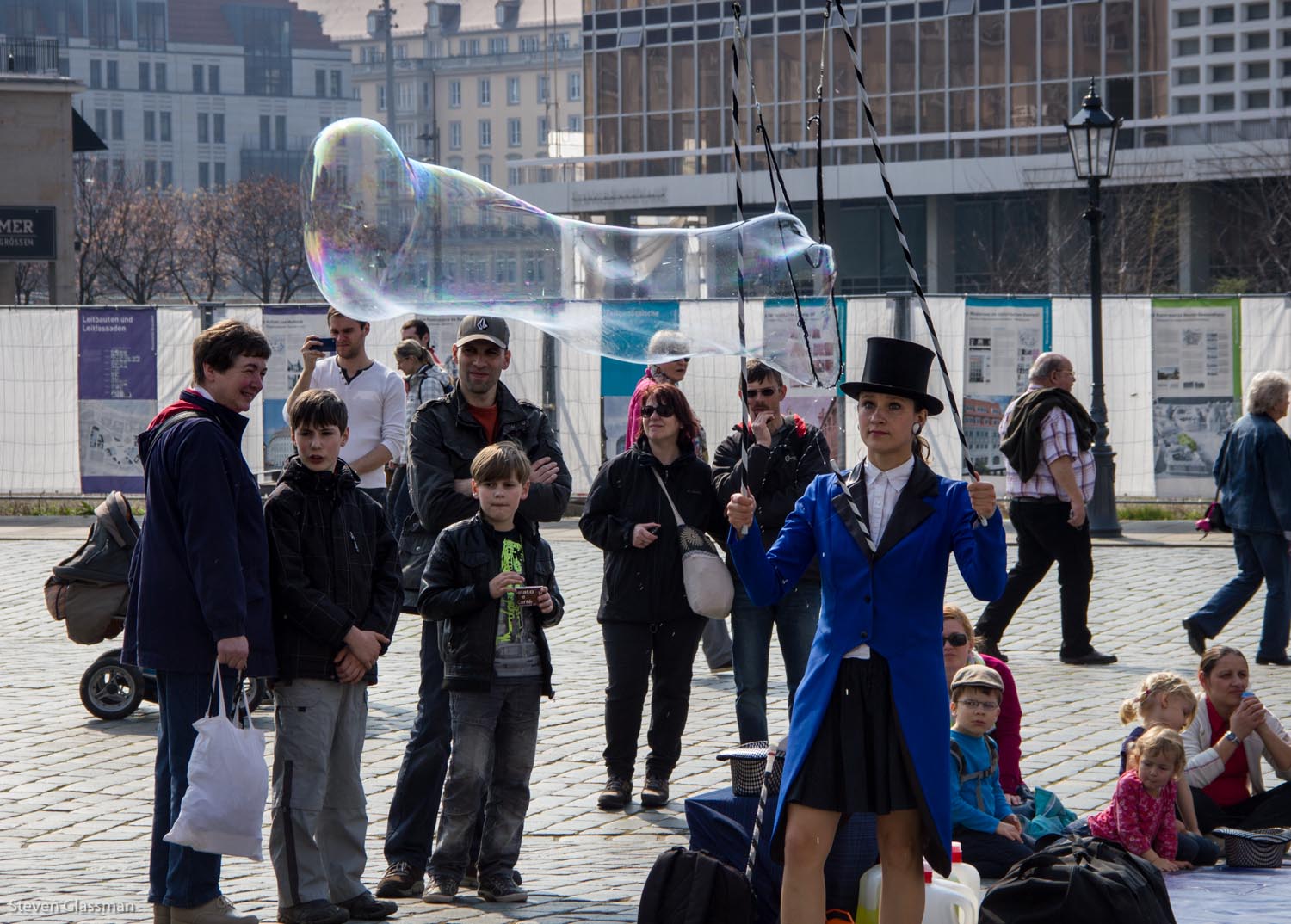
There are always people in major cities doing things for money.  Like these two.

dresden-18 dresden-19

A short distance from the Frauenkirche, back toward the Elbe river, there’s a rather nifty sculpture with a bunch of representations of the planets in the ground.  It’s not a full representation of the solar system though, and I’m not quite sure why.

dresden-23

This is the view of the Augustusbrücke from the planets sculpture.

dresden-20

On my walk back toward the hotel, I noticed that Spring has well and truly come to Germany.  You can tell because any time it gets sunny and warm, lounging Germans appear all over green spaces in Germany.  This isn’t very crowded, but give it a few more degrees and you won’t see very much green through the sunbathing people.

dresden-21 dresden-22

Have you ever been to Dresden?
Hans Hummel

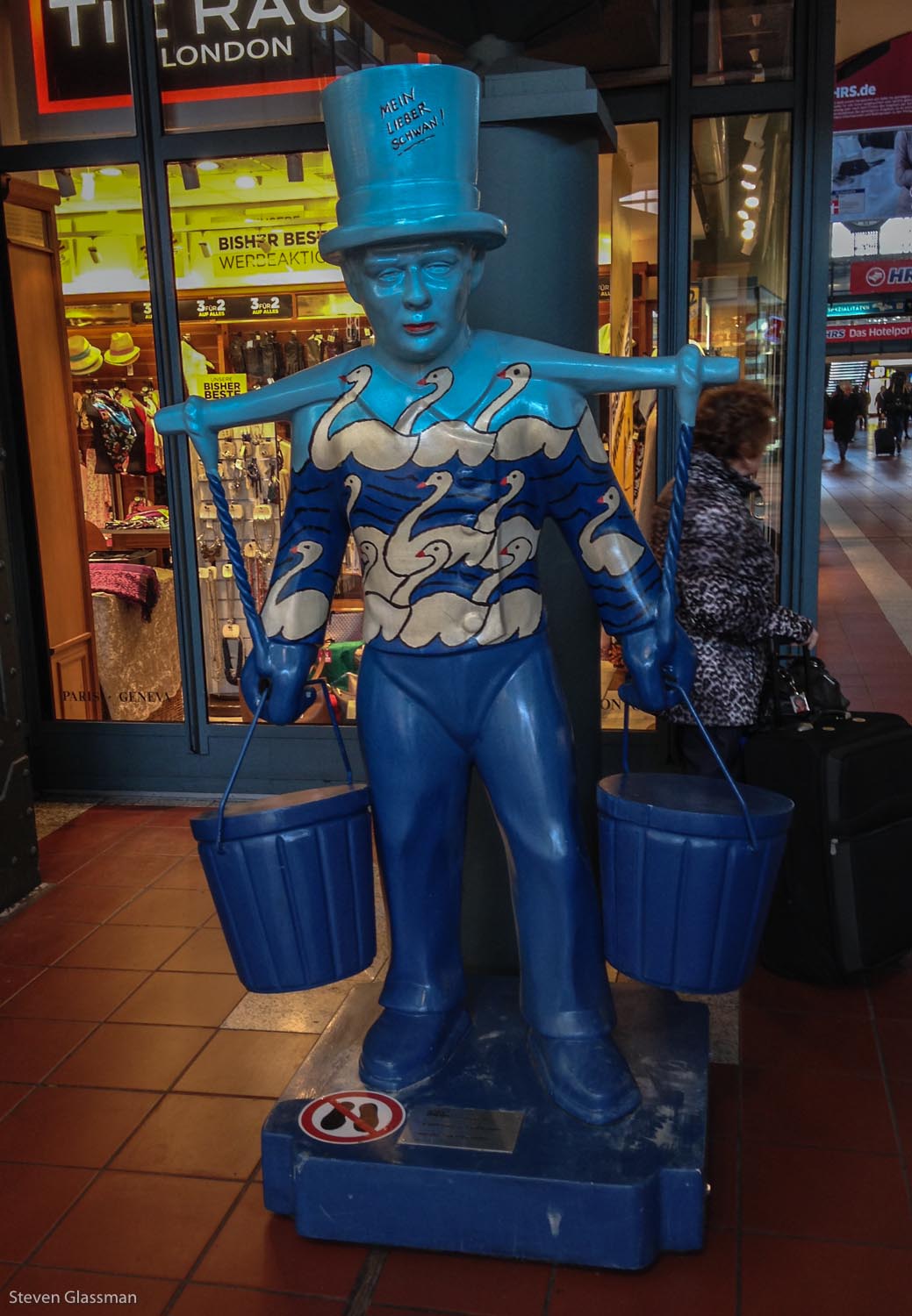
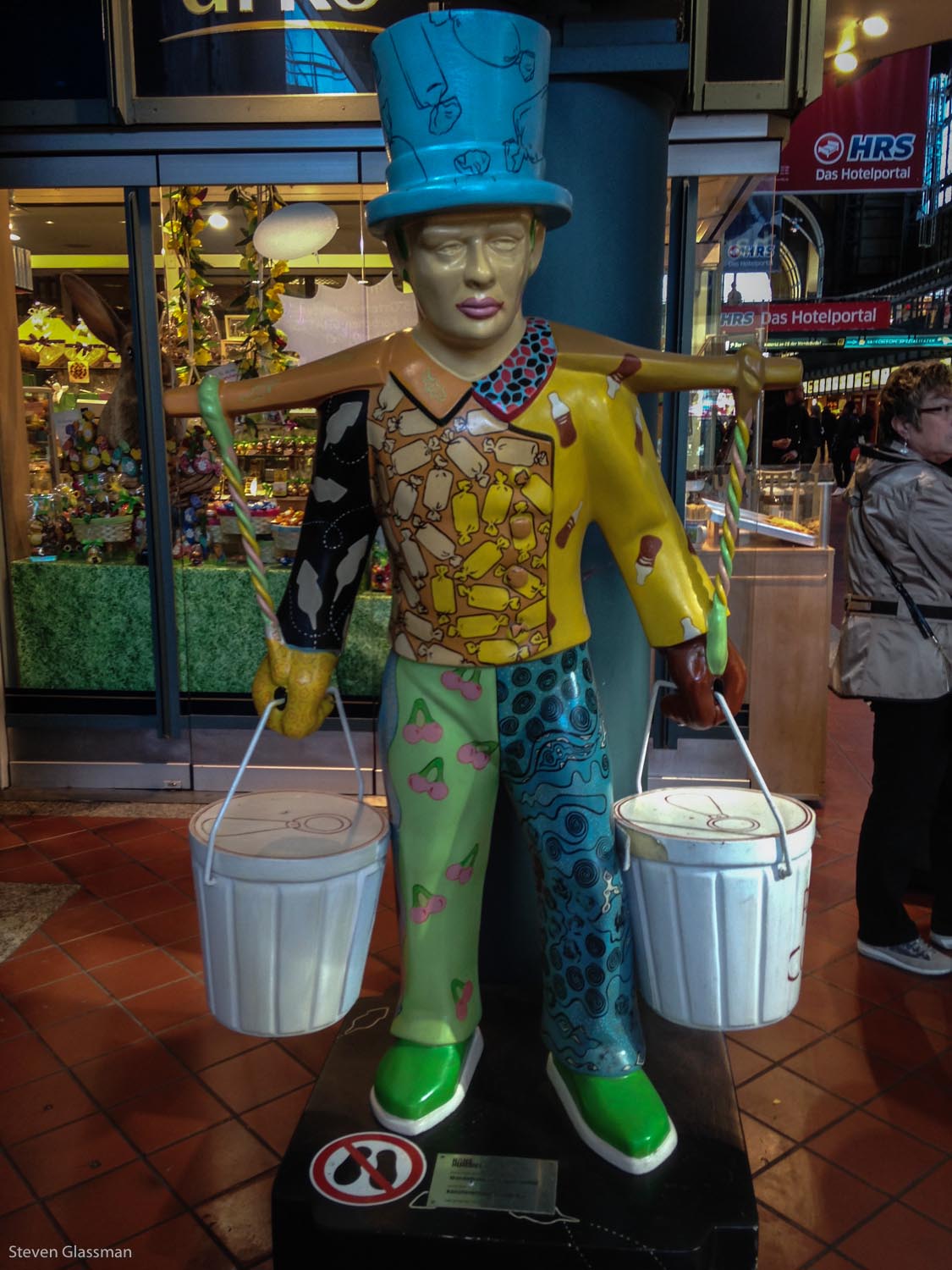
While I was waiting for my train out of Hamburg, I noticed an interesting statue-  a man in an oversized top-hat carrying two buckets.  A moment later, I noticed another one- identical in shape, but with different colors.  Within a few minutes, I had found four of them in that part of the station.

After I returned, I learned what was going on with these statues.  They depict Hans Hummel, the last water-carrier in 19th century Hamburg.  In 2003, one hundred identically sculpted statues were painted in different ways and then spread out throughout the city.  Some of them are still on public display, including the four I saw in the train station.

They’re numbered.  If I had known that sooner, I would have gone hunting for the others.

hummel-men-1 hummel-men-2 hummel-men-3 hummel-men-4

Have you ever seen a statue of Hans Hummel?