Nordic Adventure, Part 3: Skansen

The heart of the Djurgården in Stockholm is the Skansen open air park and museum.  Skansen, founded in 1891 by Artur Hazelius, is 75 acres of traditional Swedish houses and a small zoo.  There’s even a funicular.  Skansen attracts more than 1.3 million visitors each year.  Skansen is so large that I actually got lost inside-  I thought I was heading toward an exit but I was completely turned around and wound up on an entirely different side of the park.

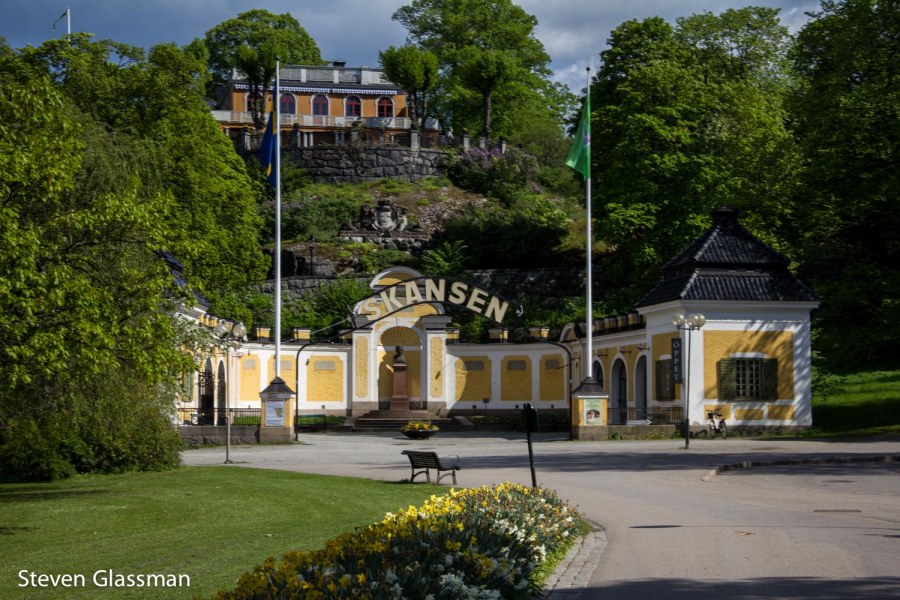
This is not the main entrance.  I thought it was at first, but this is actually a smaller side entrance.

skansen-1

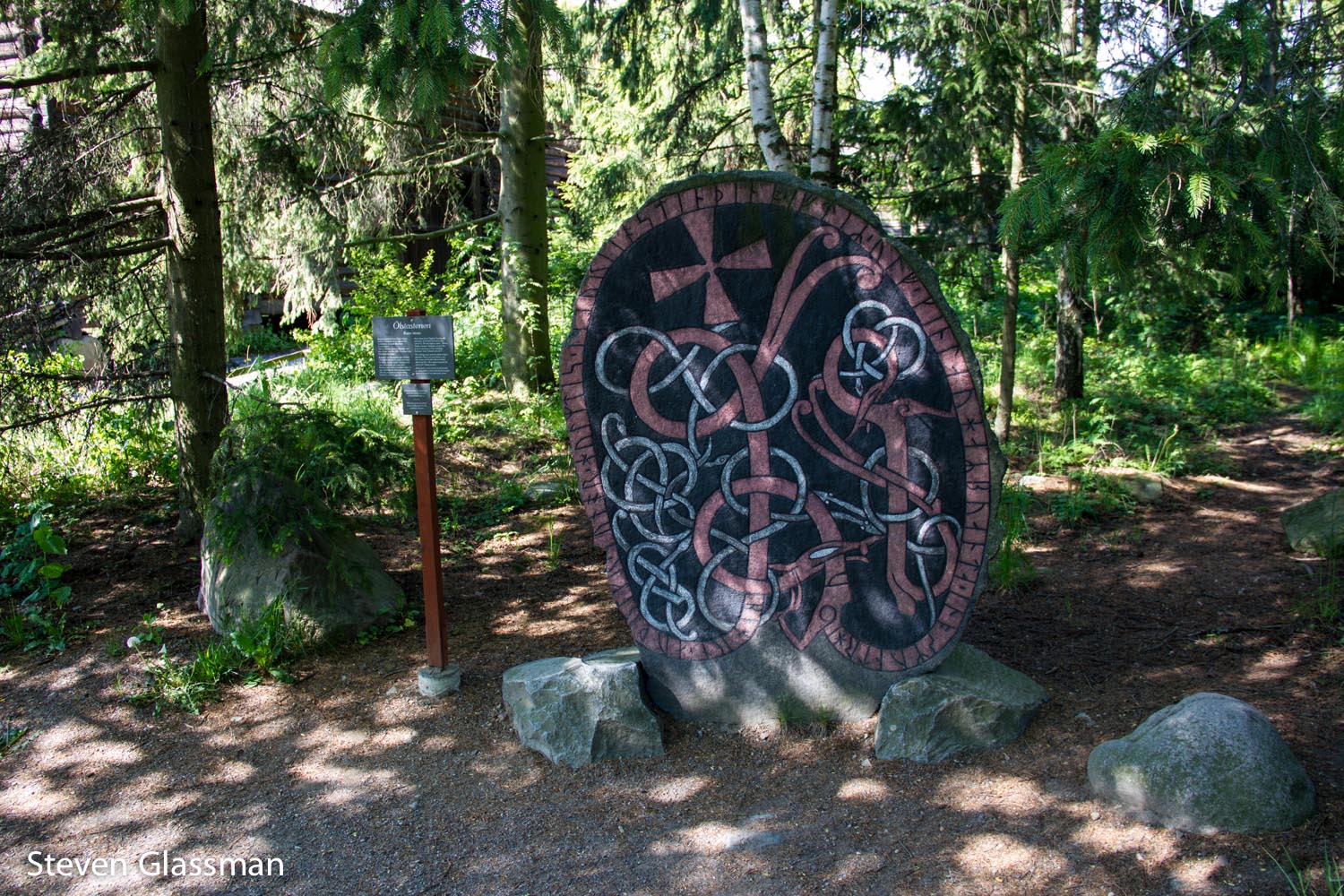
Here’s another rune stone.

skansen-2

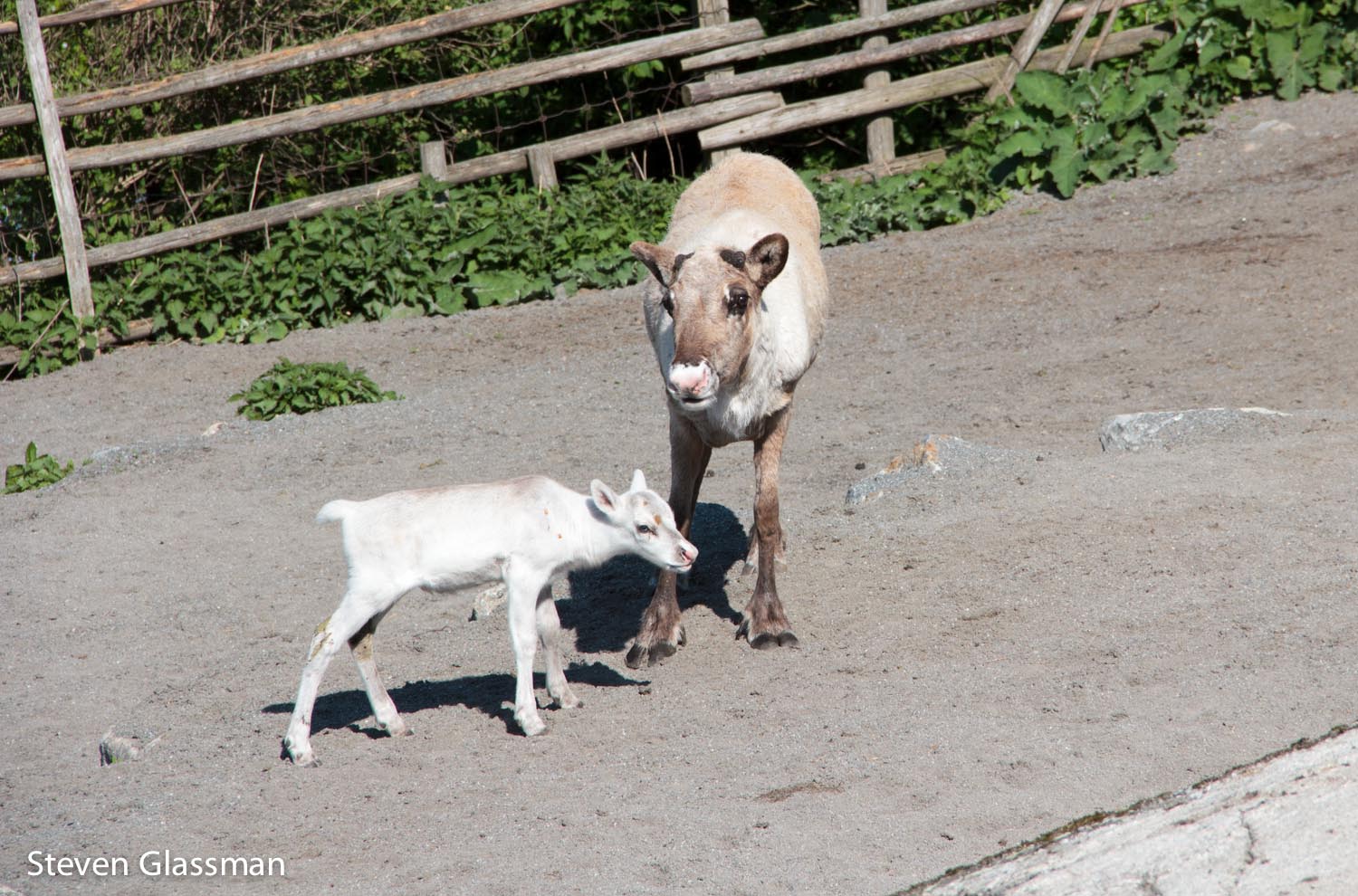
My favorite part of Skansen was, naturally, the zoo.   This is a baby reindeer and a mama reindeer.  The baby was way cute.  I try not to think too much about how delicious the reindeer was that I’d eaten two days previous.

skansen-3

Another reindeer, looking a little more stereotypical.

skansen-4

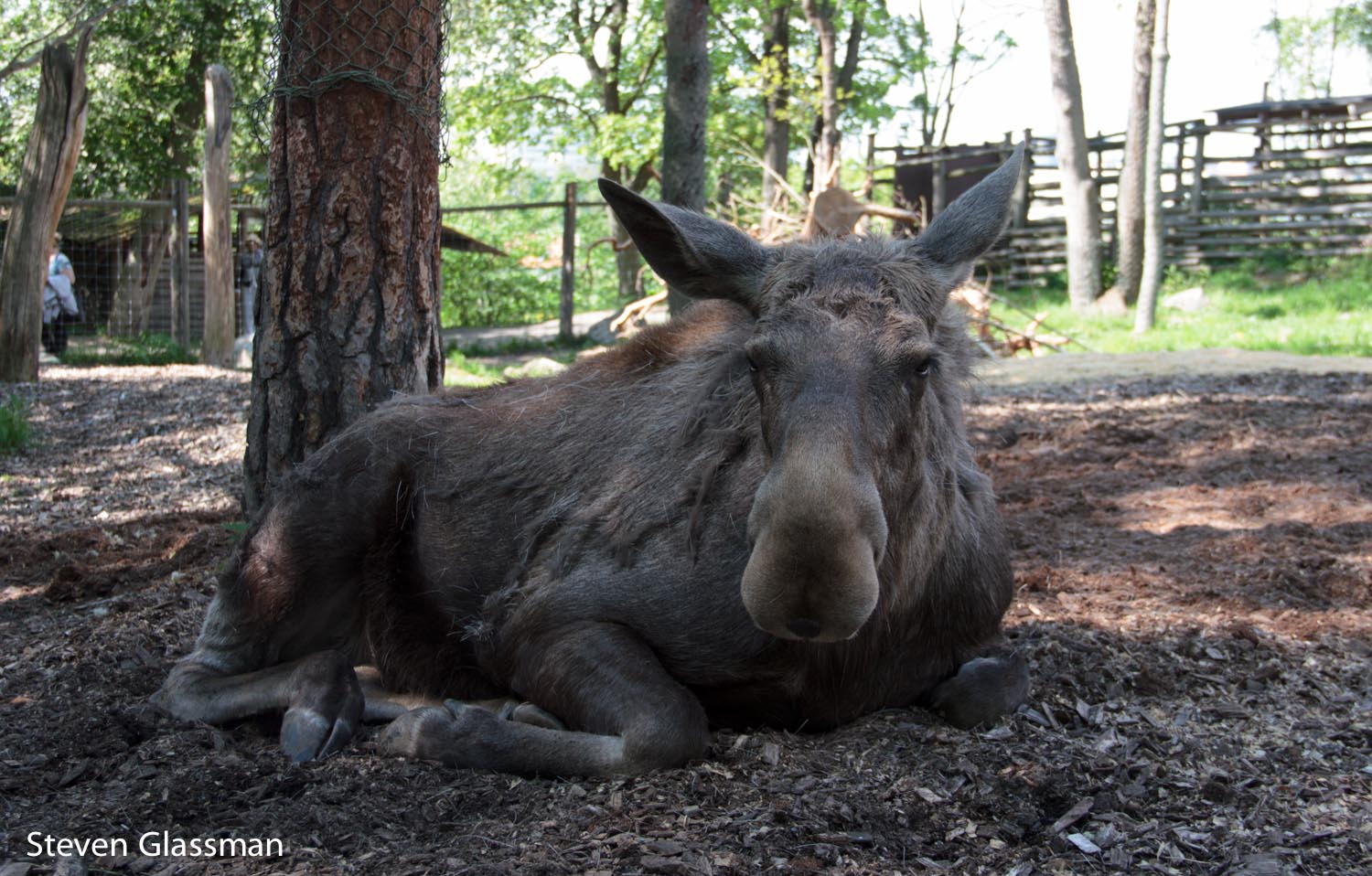
It was a warm day and the moose wasn’t having any of it.  This moose really just wanted a hammock and a beer.

skansen-5

Even the seal was complaining about the heat, and he was in the water already!

skansen-6

That’s a big horse there.

skansen-7

There were a couple of bear cubs playing around.  They look so cute that it’s easy to forget just how deadly these fuzzy fellows can be.

skansen-8

This is a lynx.  It’s fascinating to me that despite being a large predator, the lynx behaved exactly the same as every cat I’ve ever known.  The elegant turned back when it didn’t want to acknowledge all the people trying to take photographs of it, the sudden attraction to the motion of a bird that landed in its enclosure, and the normal kitty stalking that all cats do when something fuzzy gets their attention. This picture doesn’t really showcase the black fur points on his eartips or show just how big his paws were, but in every other regard, a lynx is just another slightly larger cat.

skansen-9

Toats ma goats?

skansen-10

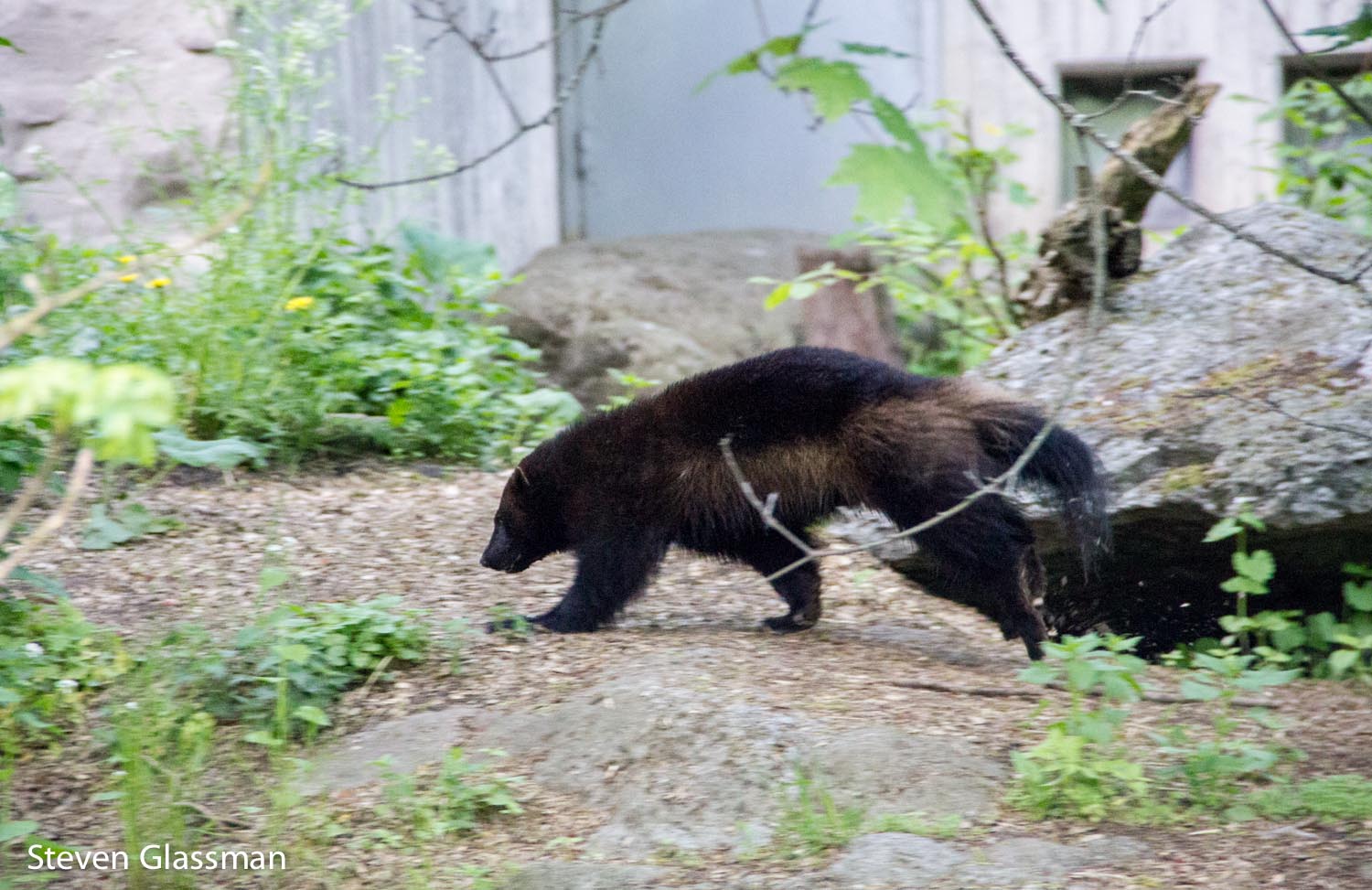
This is a wolverine.  He was bounding around his enclosure so quickly that it was incredibly difficult to get a clear photo.

skansen-11

…and a meerkat.

skansen-12

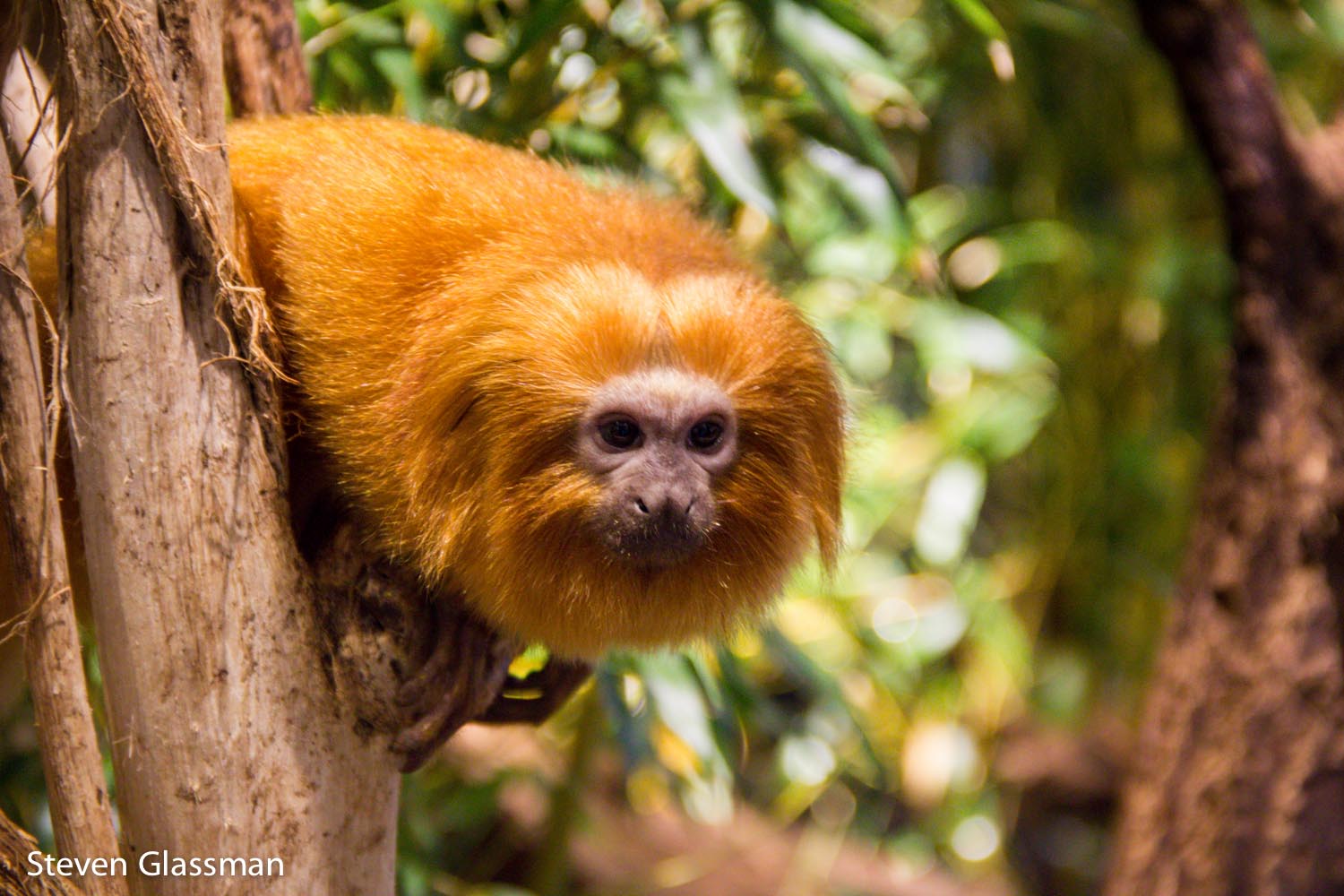
Golden Lion Tamarin.  Tiny little fellows.

skansen-13

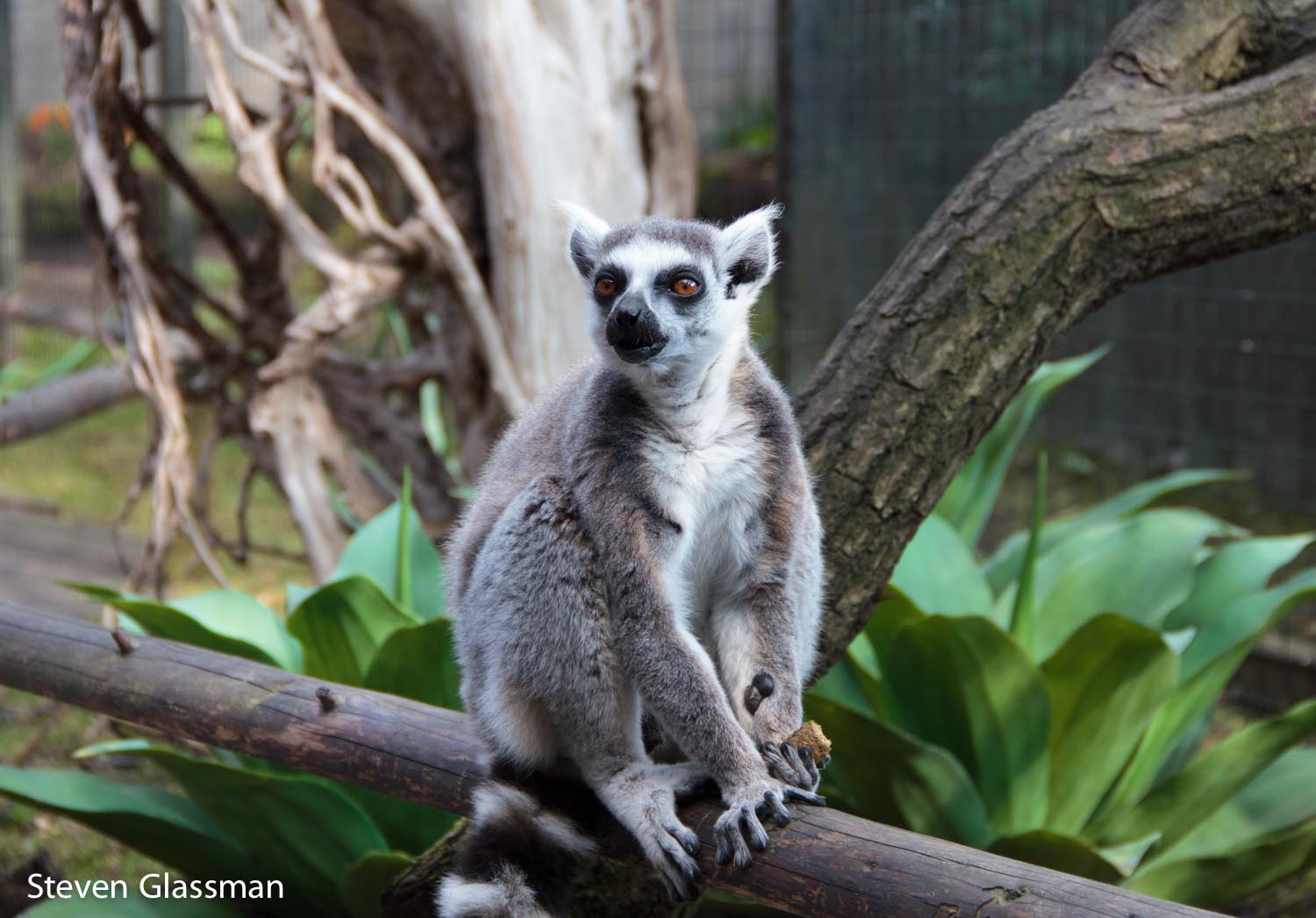
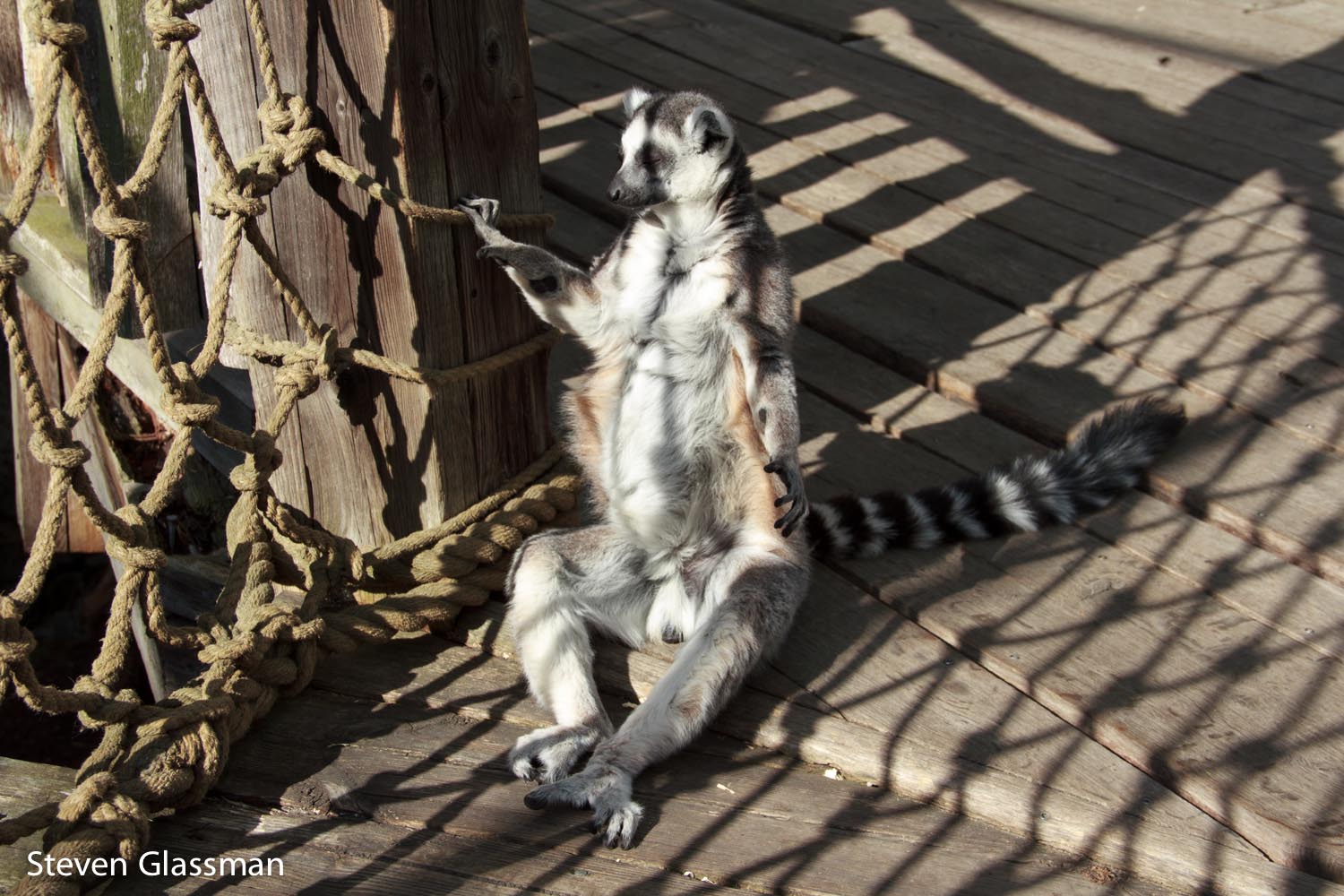
The lemurs were sharing space with the humans-  the walkway here was right through the lemur enclosure.  Mostly they ignored me.

skansen14

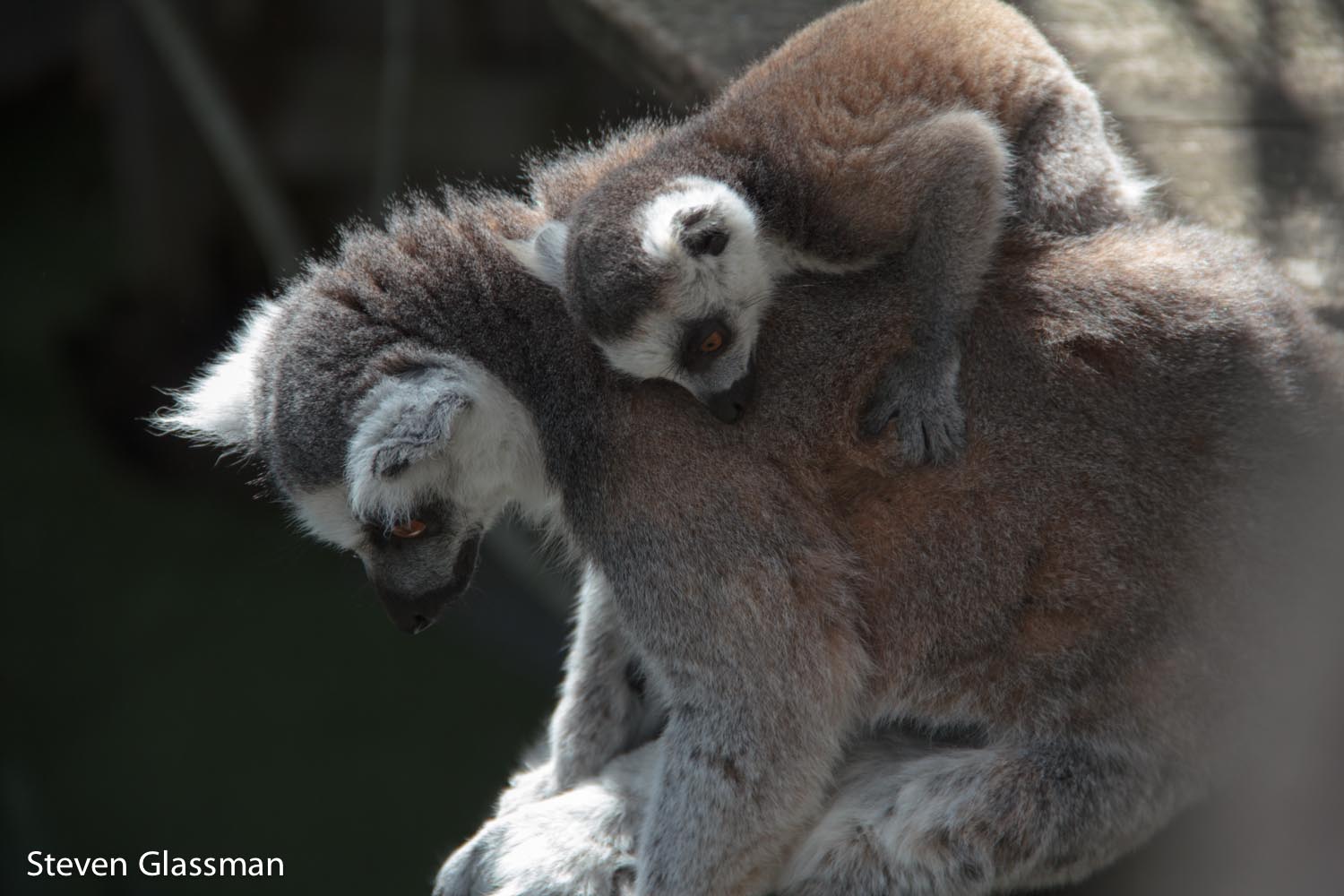
These two were just on the other side of a railing.

skansen-15

I actually had to step over this one’s tail to get by.  He was totally enjoying the sunlight.

skansen-16

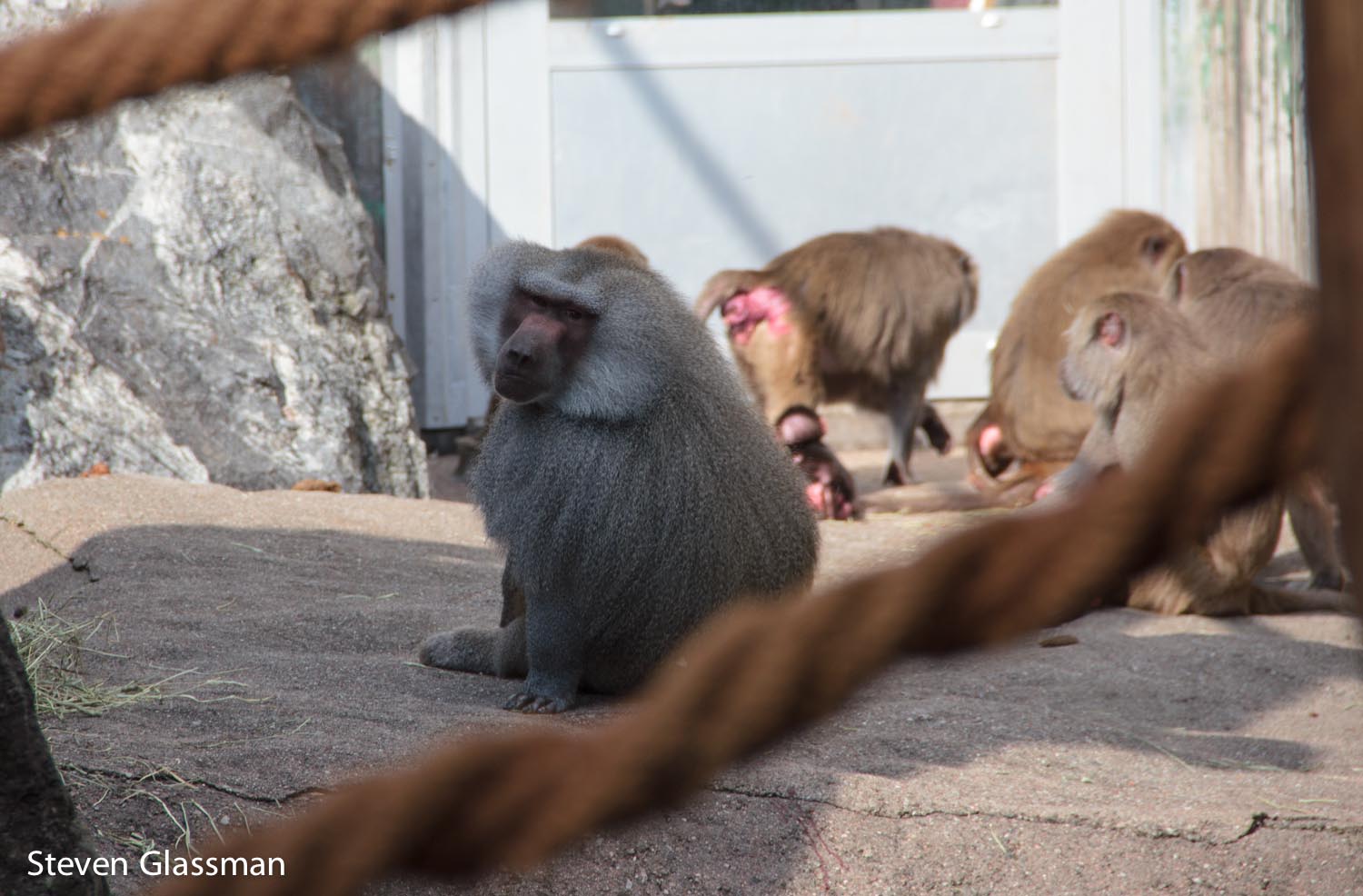
Babboons, I think.

skansen-17

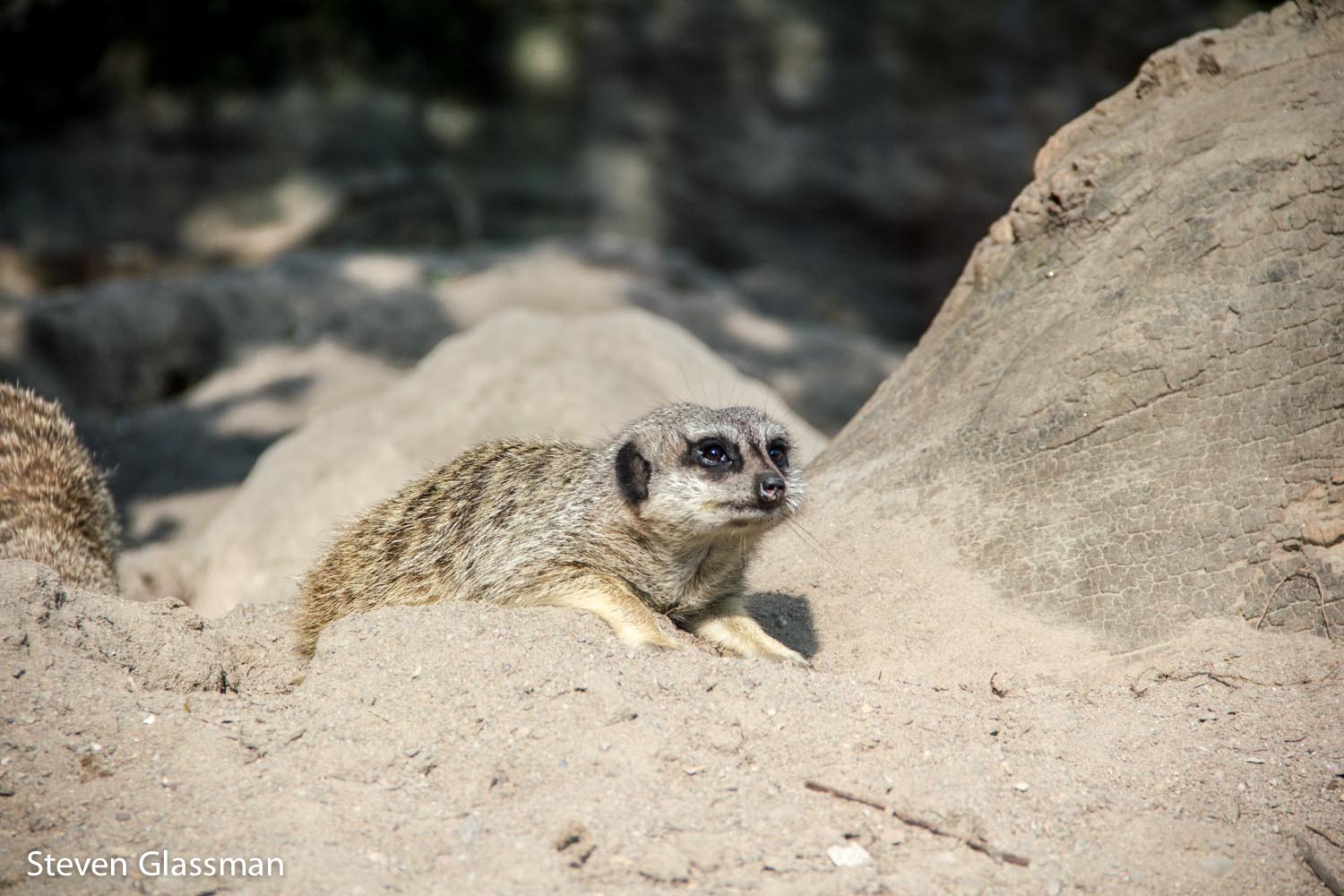
I took so many pictures of the meerkats.  They’re so adorable.

skansen-18

A type of Ray, I think.  I forgot to check the label.  There were some regular stingrays in this tank.

skansen-19

Tree snake, just hanging out.  Erm, no pun intended.

skansen-20

Have you ever been to Skansen?

Hot Air Ballooning Over Bavaria

We interrupt this barrage of travel posts to bring you a post about something that I did a little closer to town.  Thanks to my partner-in-crime Jenny and her fiancé Robert, I had the opportunity to go hot air ballooning.  They wanted to try this, and if enough people joined in, the balloon company would come to us instead of us going to them.  Arrangements were made, weather was checked, and on the very last Saturday in May, the balloon company traveled to us in the afternoon.

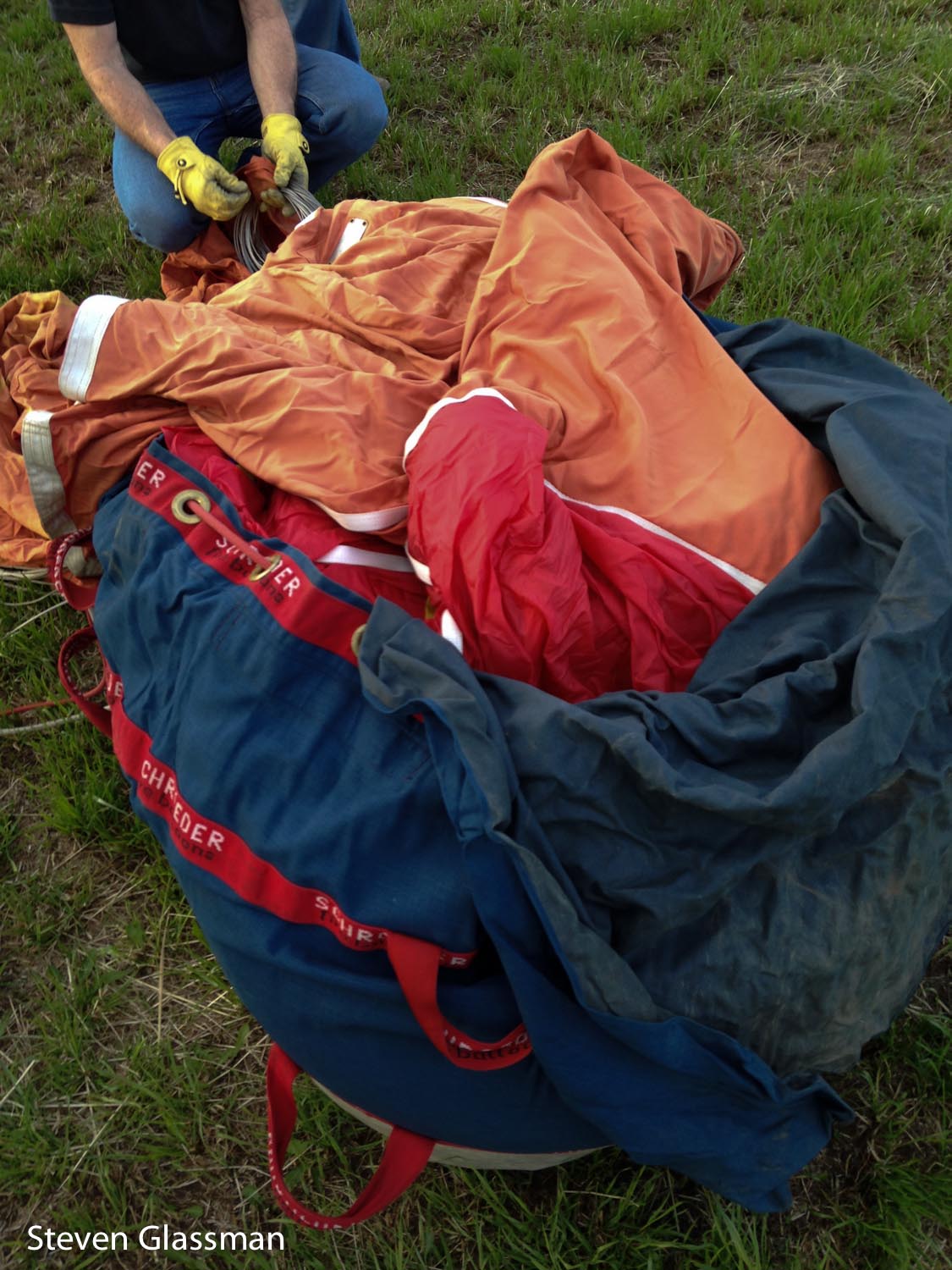
The first order of business was setting up.  We were all enlisted to help set up the balloon and basket.  The actual balloon was packed into a giant canvas bag.  Most of the material is a very lightweight nylon, but the material closest to the hot air burners is a slightly more flame retardant canvas blend.

ballooning-2

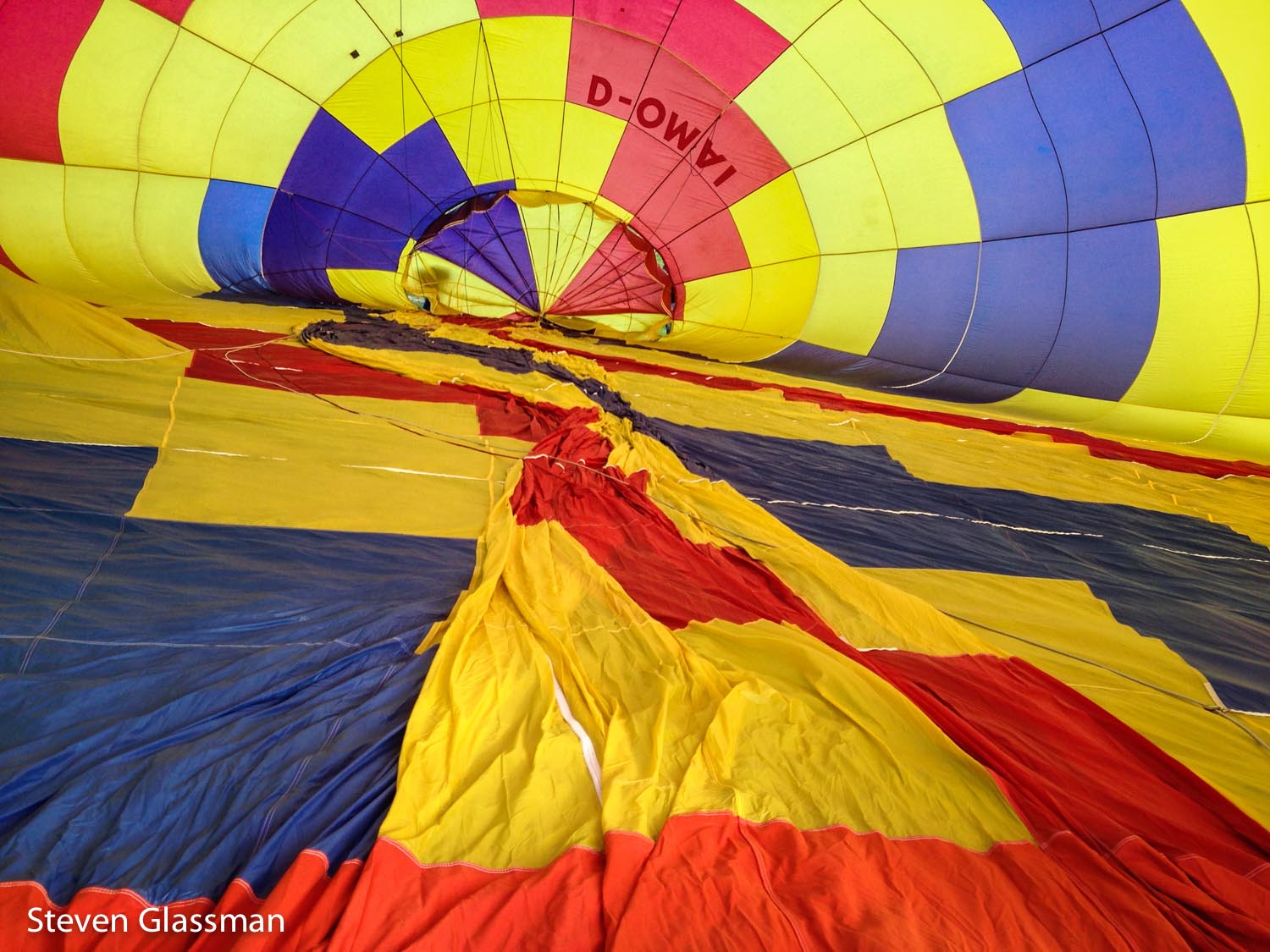
First the balloon has to be inflated.  It’s connected to the basket, and pulled out over a large field.

ballooning-3

I large gasoline powered fan is used to begin the inflation of the balloon chamber.  Two of us had to hold the mouth of the balloon open at first.

ballooning-4

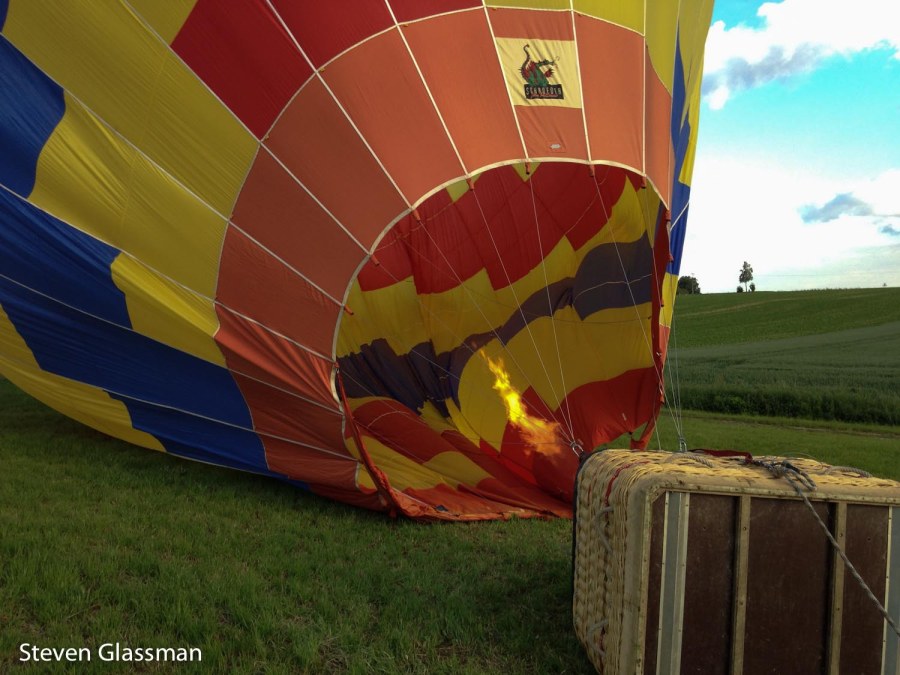
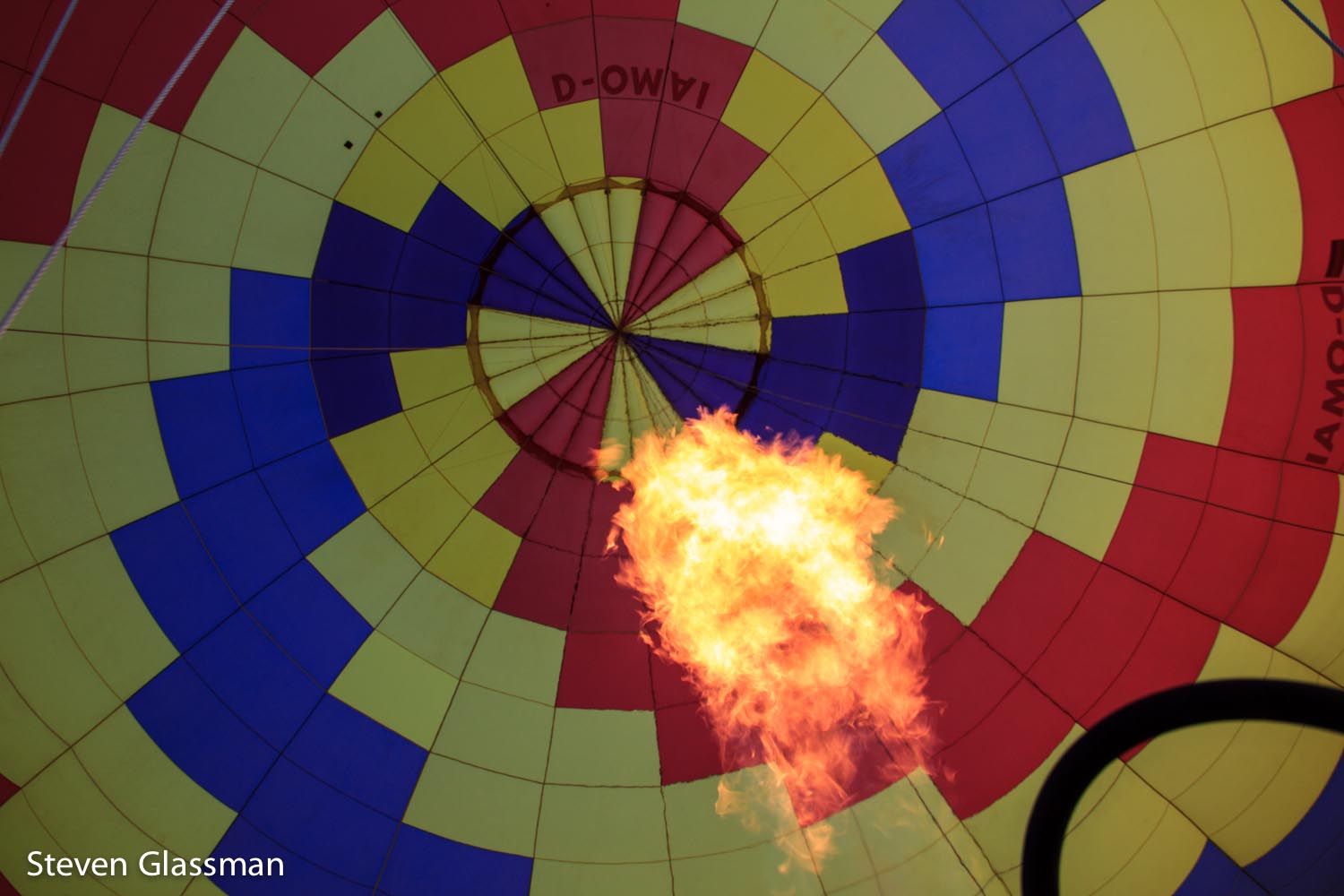
After enough  inflation is done with the fan, the flame jets can be used to heat the air inside to give it lift.

ballooning-5

The burners actually have very fine control-  they can do hotter blue flame or cooler (but more visible and thus cooler looking) yellow flame.

ballooning-6

Lift off was quite subtle-  there’s no acceleration like an airplane.  One minute you’re on the ground, and the next you simply aren’t on the ground any more. Once we were aloft, the navigation was simply based on which way the wind was blowing.  The blue vehicle with the white trailer is the balloonist’s partner following along from the ground.     They kept in contact via nearly functional radios.

ballooning-7

Once we were fully aloft, the view was pretty spectacular.  There was, surprisingly, no wind noise at all because we were moving at the speed of the wind.  It was very quiet, except for the occasional use of the burner to adjust our altitude.  It also wasn’t cold, to my surprise, because of the burners.  Incidentally, the plume of steam coming up from the ground in the far distance is a nuclear power plant.

ballooning-1

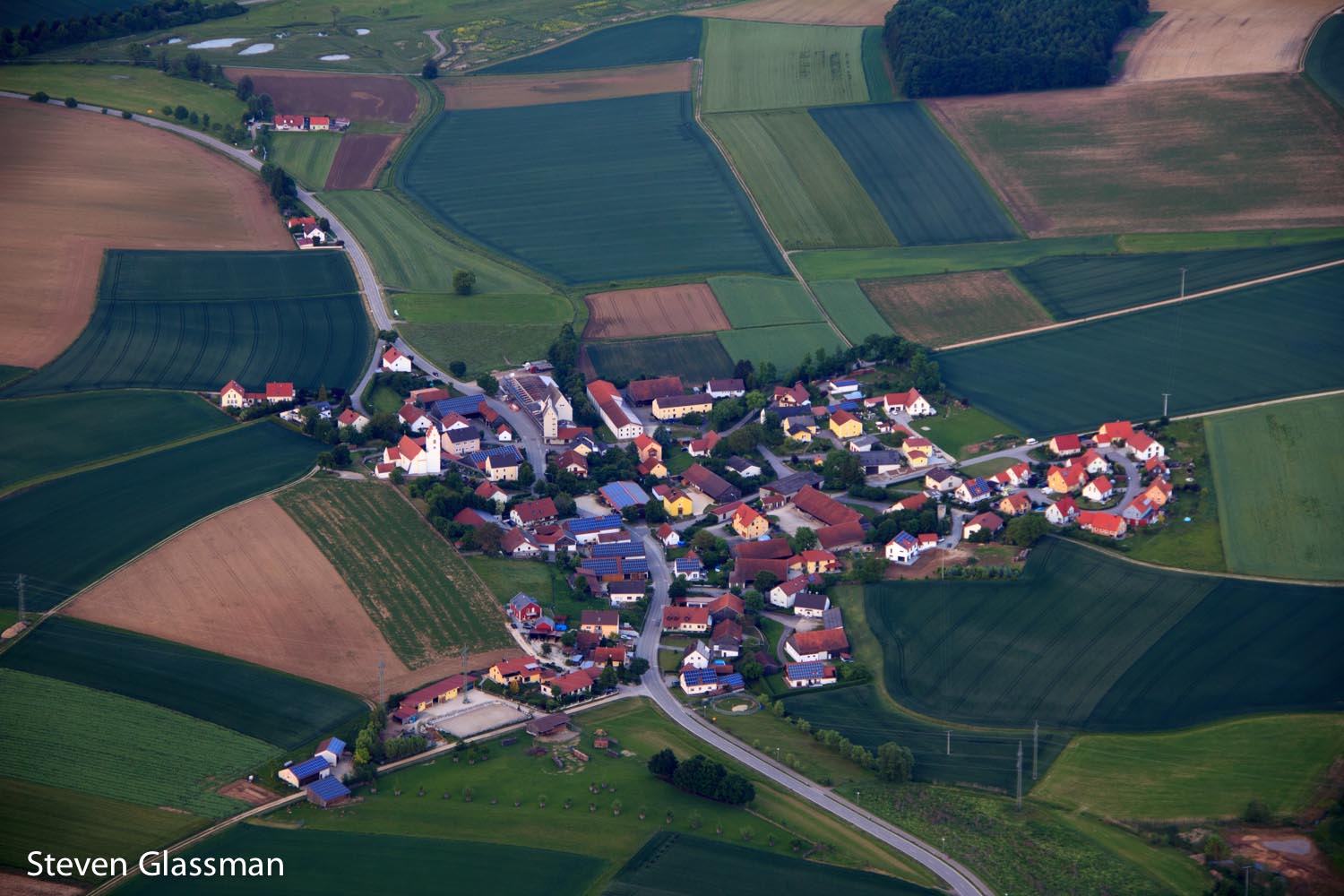
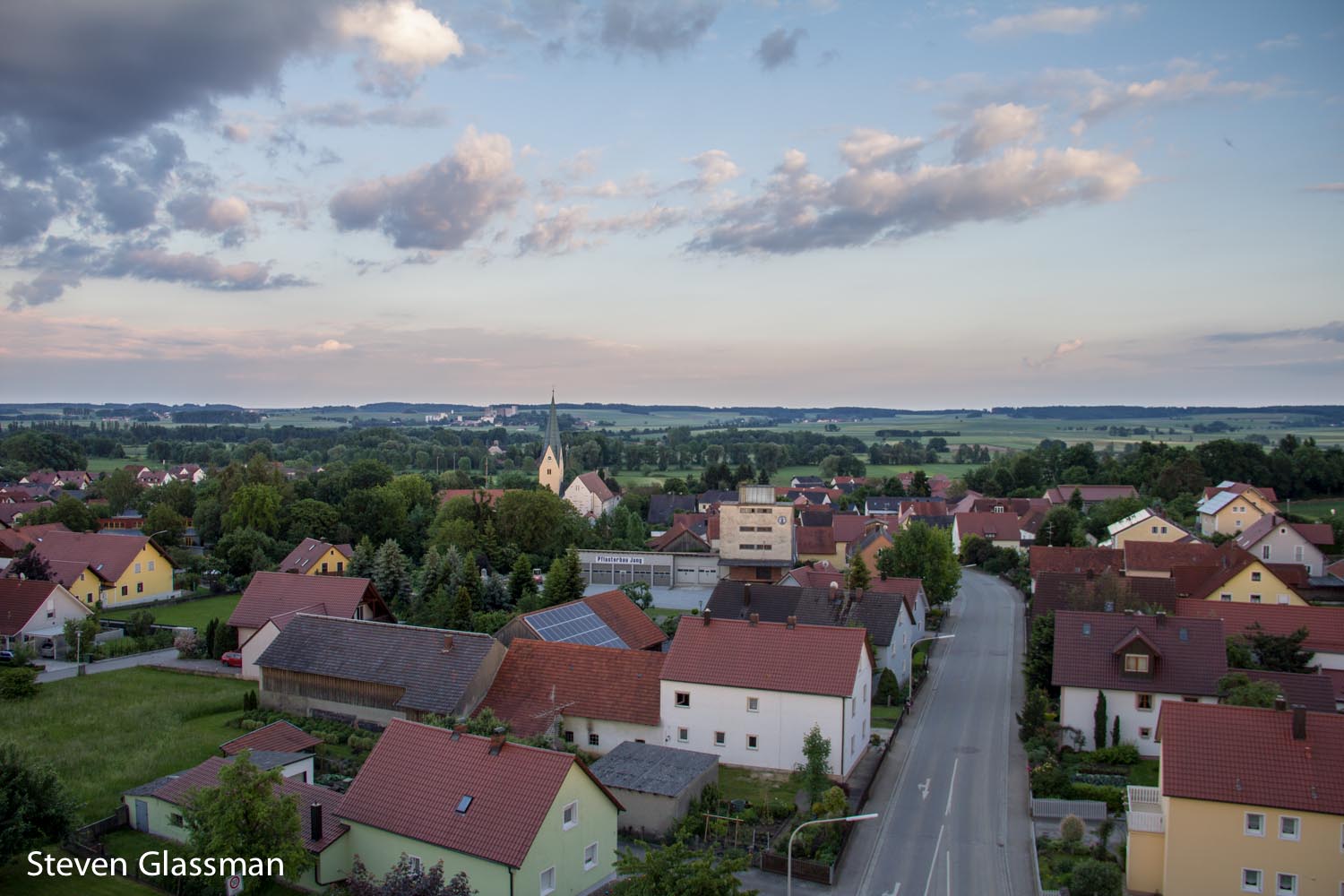
In this part of Germany, there are really only a few larger cities.  Most of Bavaria is really just villages of various sizes surrounded by fields of crops.  This was only fifteen or twenty kilometers outside of the center of Regensburg.  I’m not actually sure what village we’re looking at in this photograph.  From above, they all kind of look alike.

ballooning-8

This field, I am told, is where the Battle of Regensburg took place in 1809.  This is where Napoleon was shot in the ankle, apparently.

ballooning-9

Fields of solar panels are a common sight in Germany.  I didn’t realize until we were directly above one that sheep sometimes graze in between the panels.  Much easier than using a lawnmower around the solar panels, I imagine.

ballooning-10

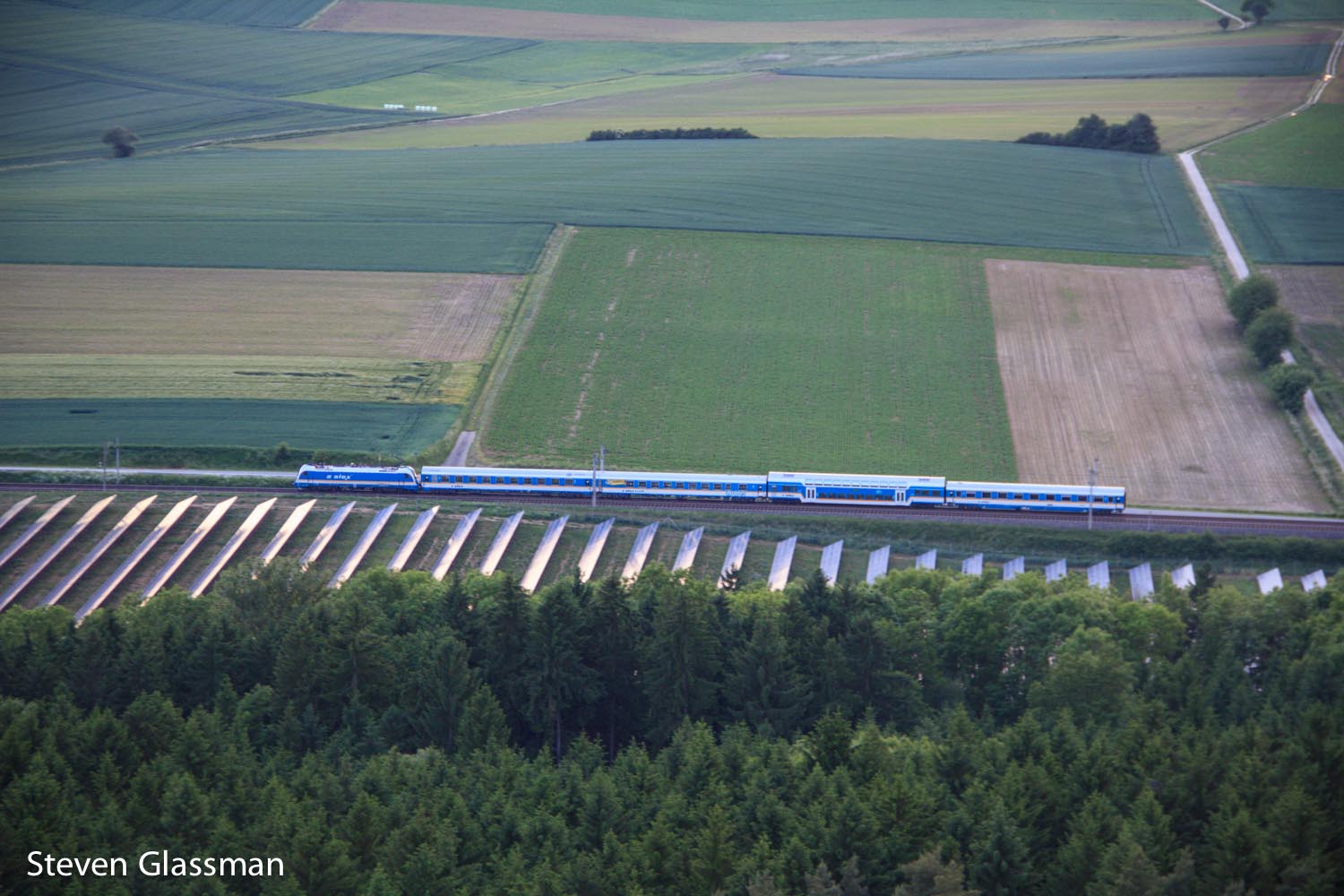
Just after we passed the field of solar panels and sheep, two trains passed, one in each direction.  The first one was a longer Munich to Prague commuter line, and the next was a shorter commuter train which probably only went from Landshut to Munich.   The furthest wagon to the left is the engine, and the second from last is a two level wagon with upper deck seats.  The other three wagons all contain compartments of six seats each, which is much less fun than the double-decker wagon, but is much much quieter.

ballooning-11

After a while in the air, we had to look for a place to land.  This is the tricky part-  you have no steering other than the wind, and you want to avoid crops and powerlines.  Ideally, you need another field of just-grass.   While we were looking for a place to land, we passed fairly low over this village.  Lots of people came out to wave at us and shout things.   Most people are kind of fascinated to see a hot air balloon, particularly one this close.

ballooning-12

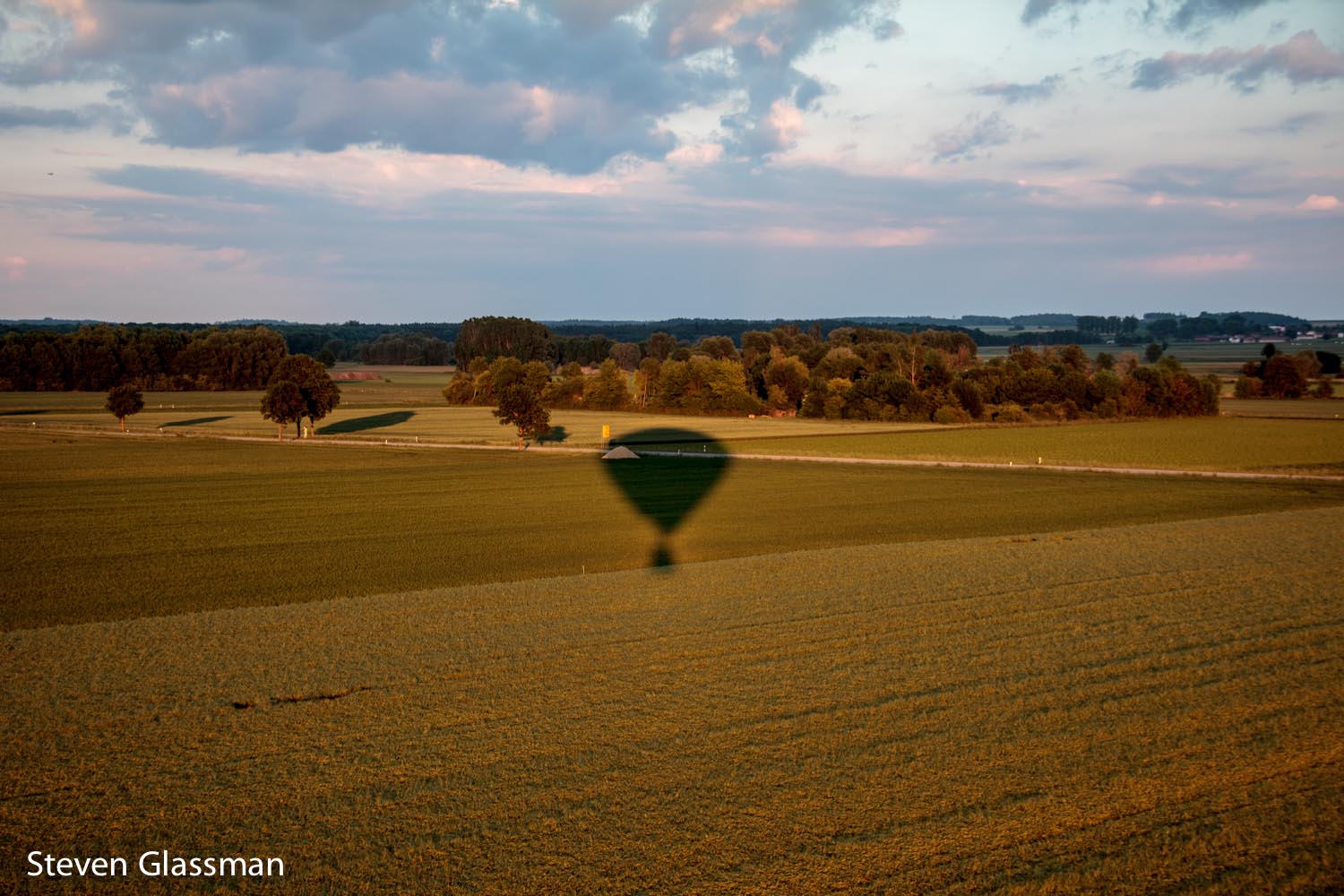
As we approached an ideal landing spot, the sun was low on the horizon and we got some pretty neat perspectives.

ballooning-13

After landing successfully at the edge of a crop field, we were joined by some neighborhood children who wanted to watch us break down and pack the balloon.

ballooning-14

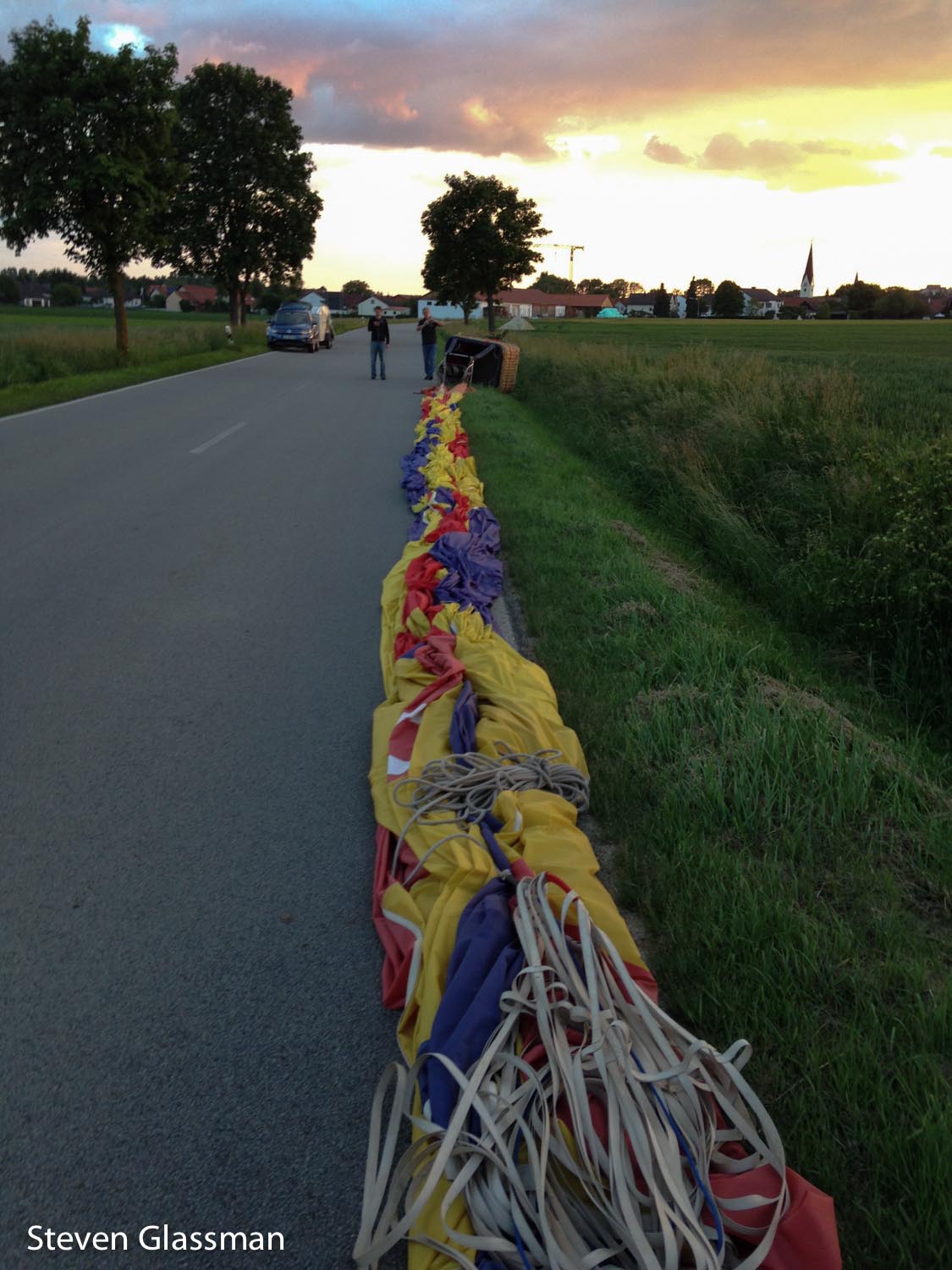
Once the enclosure was completely deflated, the balloonist scrunched it together to prepare it to go back into the canvas bag.

ballooning-15

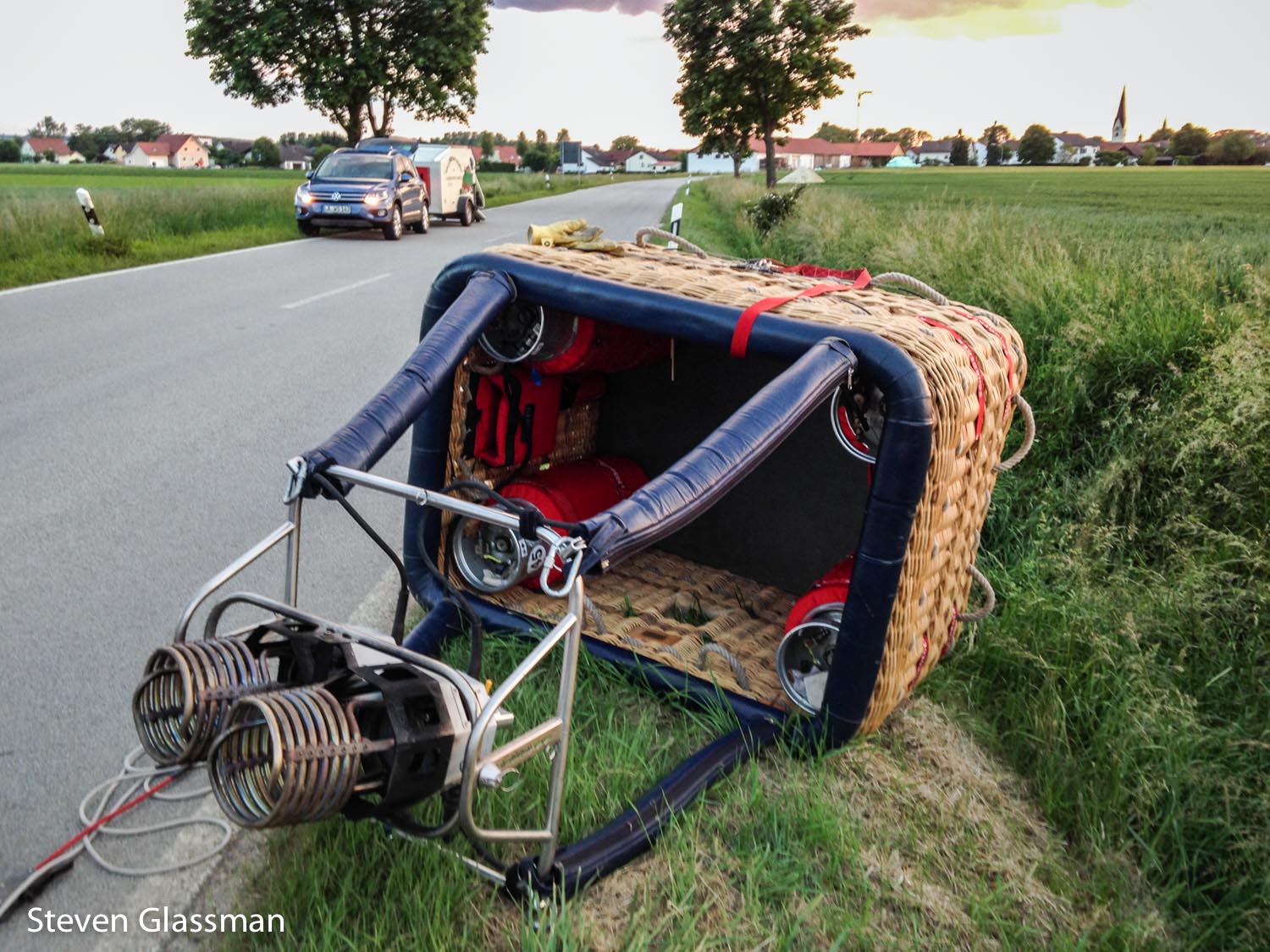
Last, but certainly not least, our wicker steed was ready to be disassembled and put back into the trailer.  This is the point at which a carload of random dudes wearing Lederhosen pulled up and helped us muscle the thing back into the trailer.  Bavaria is a ridiculous and hilariously fun place at times.

ballooning-16

Have you ever been up in a hot air balloon?

Nordic Adventure, Part 2: Stockholm

After spending a couple of days in Helsinki, I went on to the next stop in my trip:  Stockholm, Sweden.  Stockholm is a beautiful city, which may be why they have more gypsy beggars per square meter than any other city I’ve seen on this continent. As with Helsinki, my photographs in this post aren’t in chronological order.

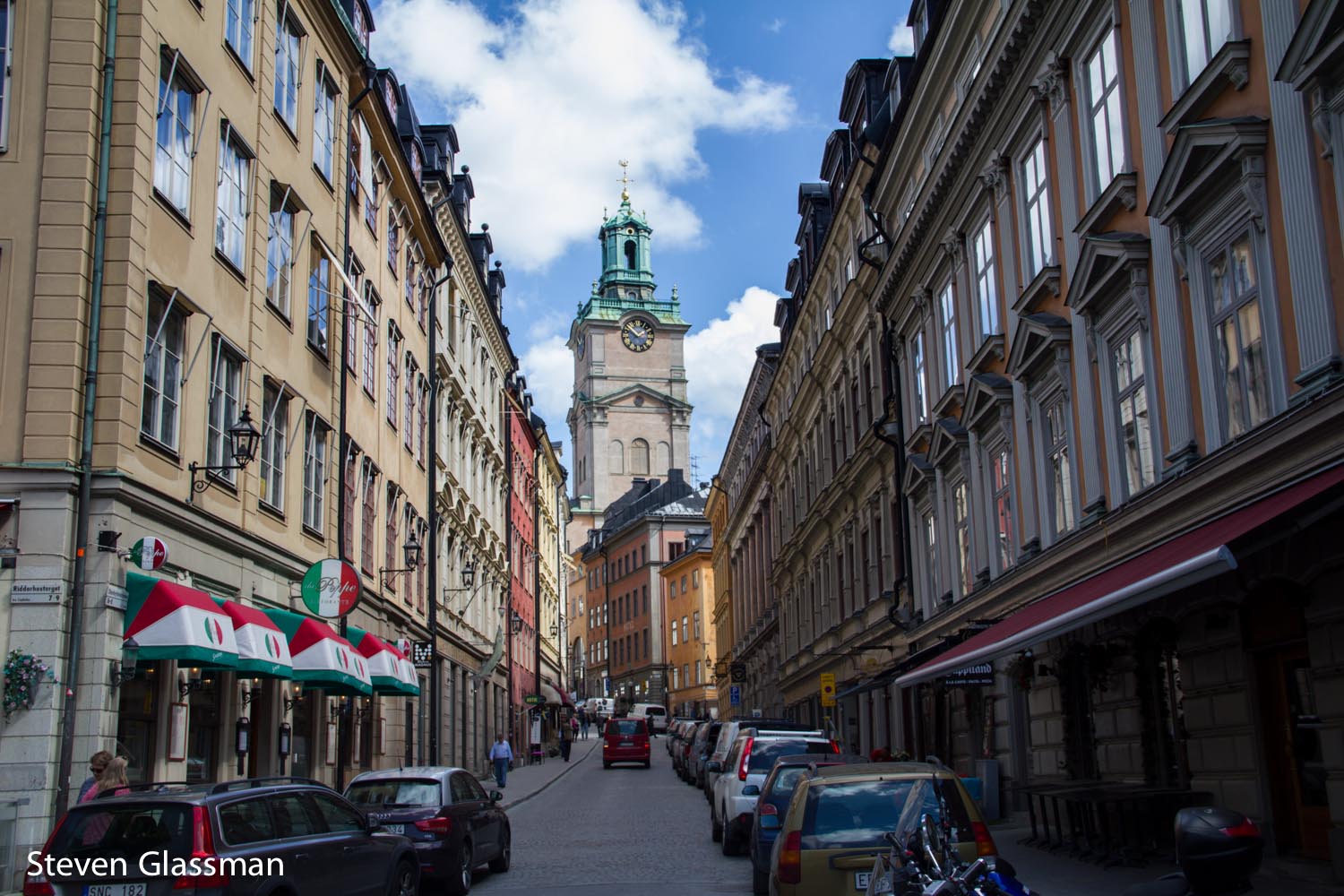
The northern part of the old city in Stockholm is an island called Gamla Stan.  The Royal Palace and Parliament are in Gamla Stan, along with lots of narrow streets and cobblestone.  Much of it dates from the 1600s and 1700s.  For example:
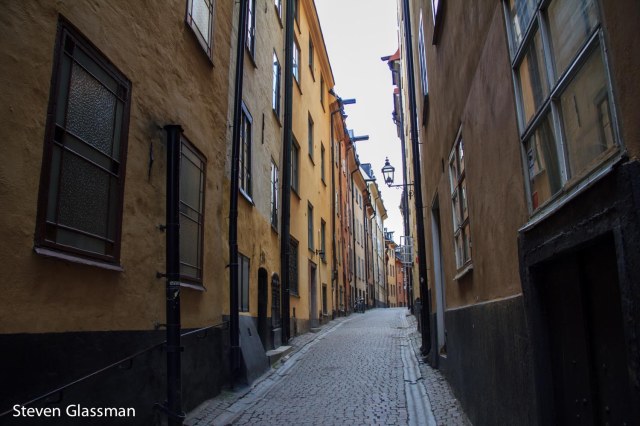
stockholm-13

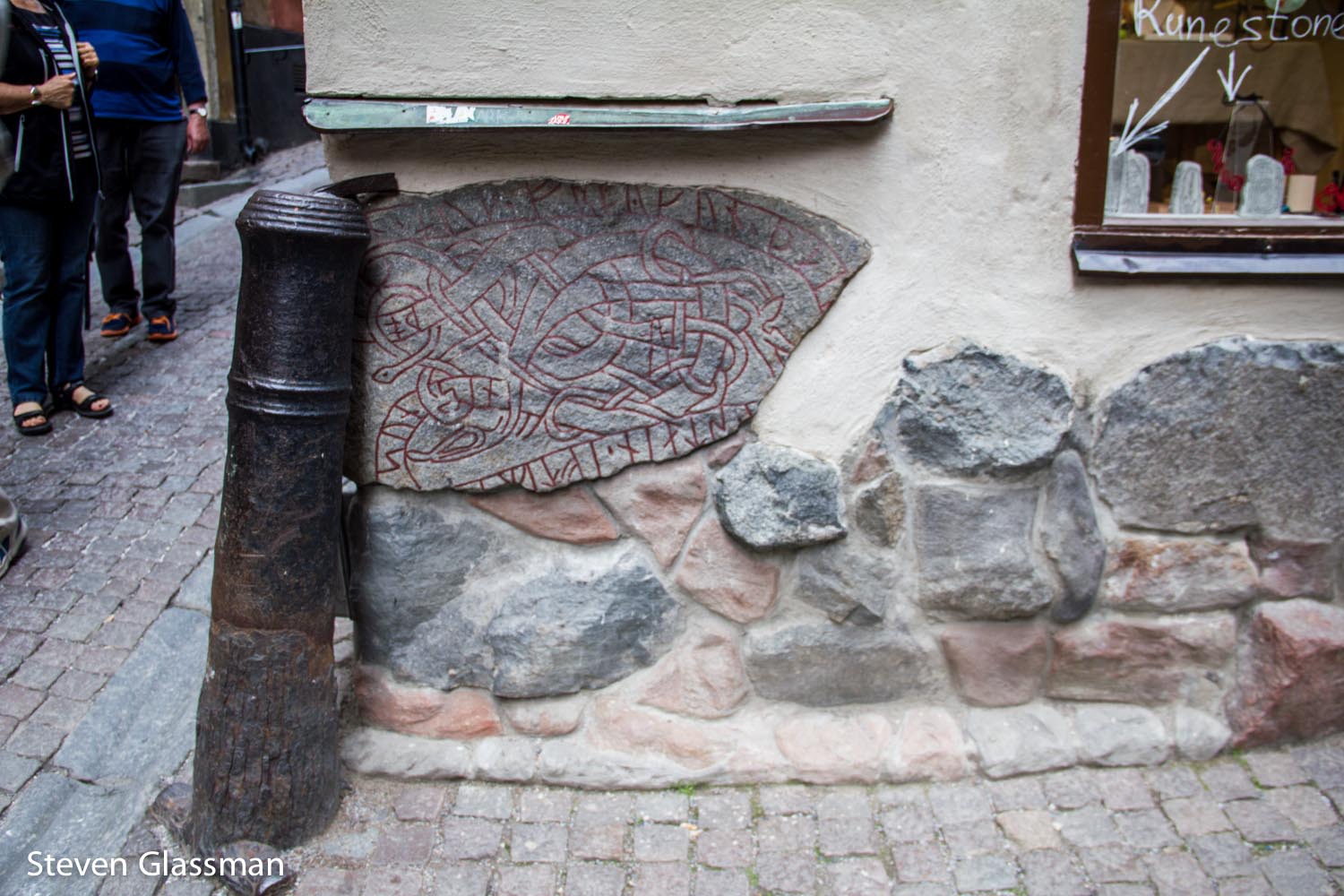
There are also Viking rune stones in various places around Stockholm.  This one is actually embedded into the foundation of a building in Gamla Stan because someone in the distant past decided to relocate it from its original resting place.  Rune stones are often memorials to the dead, but this is not always the case.    This particular stone is a fragment; the part which is readable translates to “Torsten and Frögunn had this stone raised after their son.”
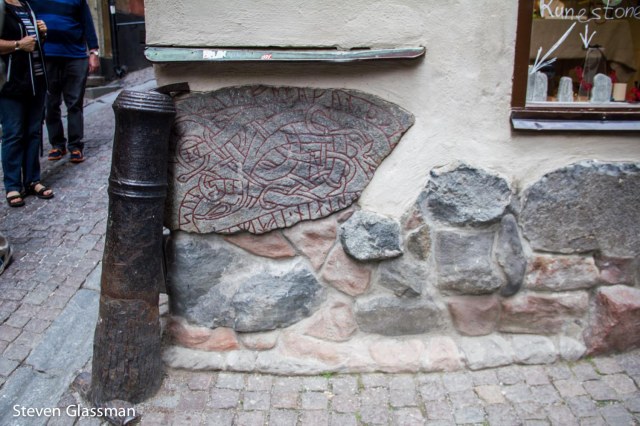
stockholm-14

This is Tyska Kyrkan, the old German church.  The section of Gamla Stan containing this church has streets named after German iron merchants and craftsmen who settled in the city

stockholm-15

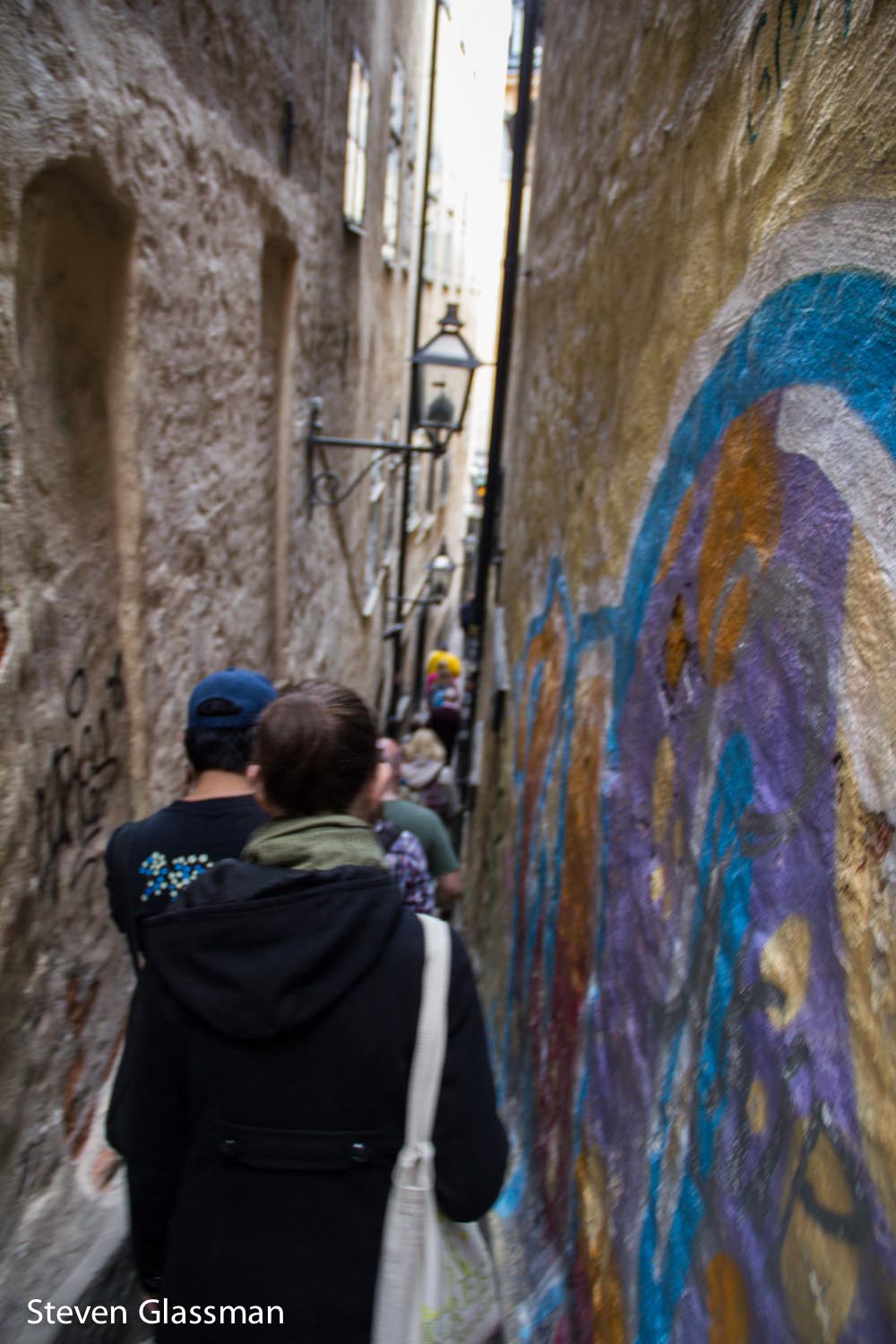
This is the narrowest street in Stockholm, at a width of 90 centimeters.

stockholm-16

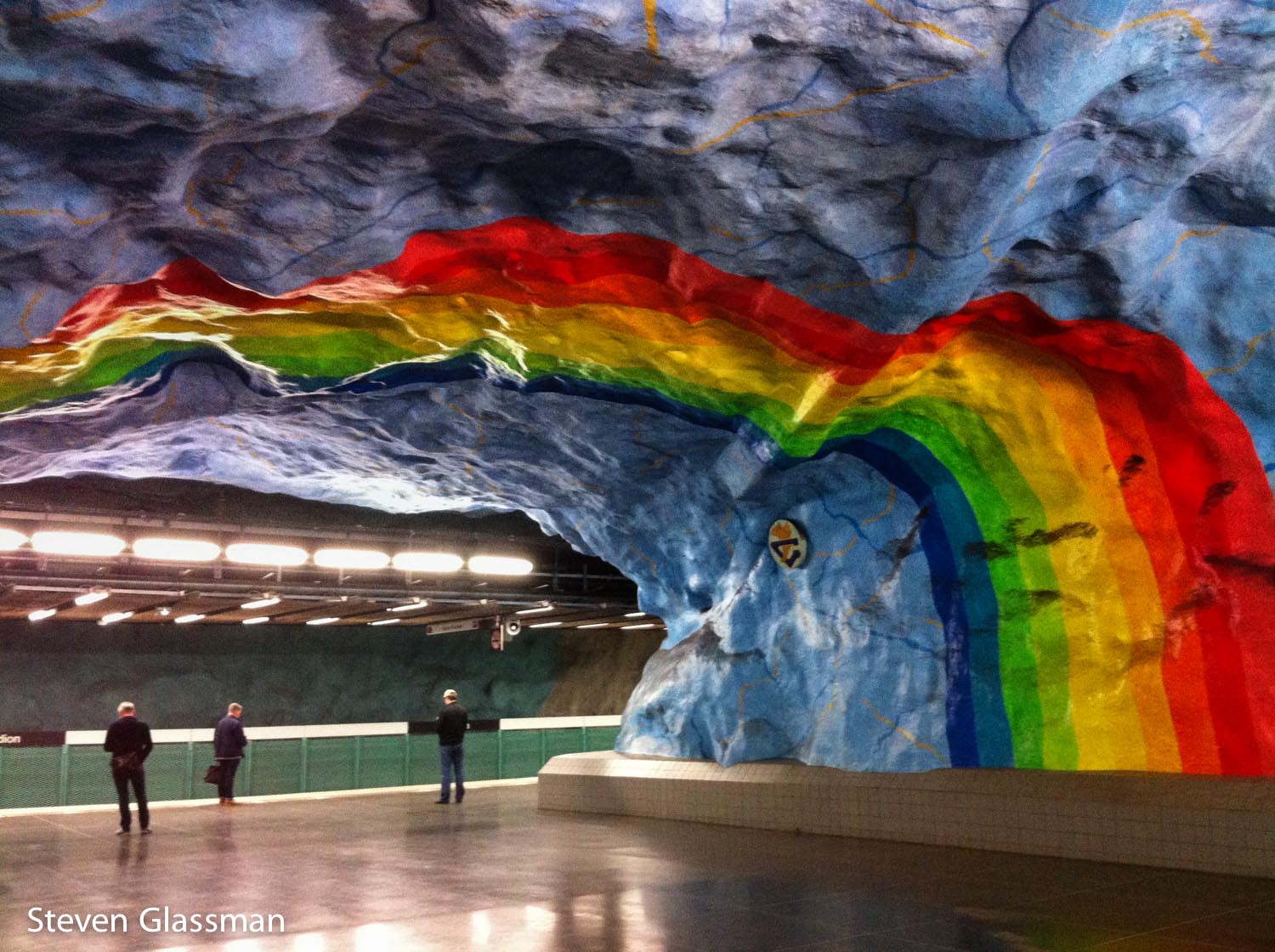
This is one of the metro stops in Stockholm near my hotel in Karlaplan.  I just thought this was a really nifty looking metro station.

stockholm-17

This building is the Town Hall. The thing at the top is three crowns, which is a commonly used logo for the city.

stockholm-21

Of course you can climb the town hall.  It’s a lot of steps, but it’s well worth it because you get a view like this.

stockholm-18

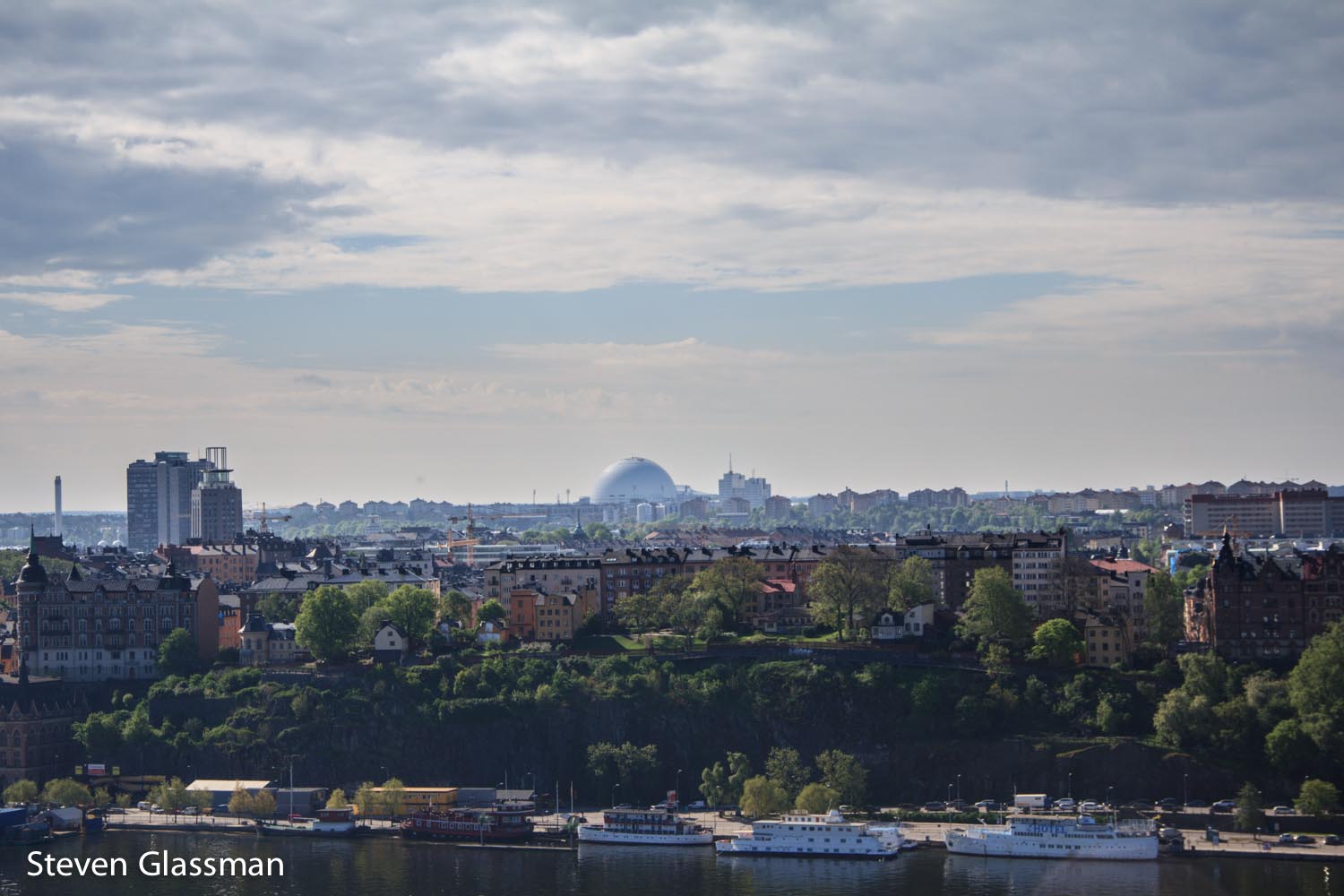
Off in the distance, you can see the Ericsson Globe, which is a concert venue.  It also has a nifty attraction attached called SkyView, which I visited later.

stockholm-19

This is the SkyView at the Ericsson Globe.  There are two spherical capsules on custom-built tracks which go up the side of the building to get a 360 degree view of Stockholm from the top.  This is fabulous, but it’s pretty far outside the center of the city, so the view isn’t as nifty as I would have hoped.  Still, this was worth it for me because: tall places!

stockholm-26

Inside the Town Hall tower, there are artifacts from the history of the city.   I especially liked the sculpture of the very tall warrior.

stockholm-20

The Djurgården is an entire island which was once a royal hunting ground.  In modern times, the Skansen open air park, the ABBA Museum, and the amusement park Gröna Lund are on this island, along with the Vasa Museum which I mention below.  Sometime in the past, a king decided to open the park to visitors, and the Blue Gate was erected.  It has been moved several times, but it is believed that the current location is near to the original one.

stockholm-22

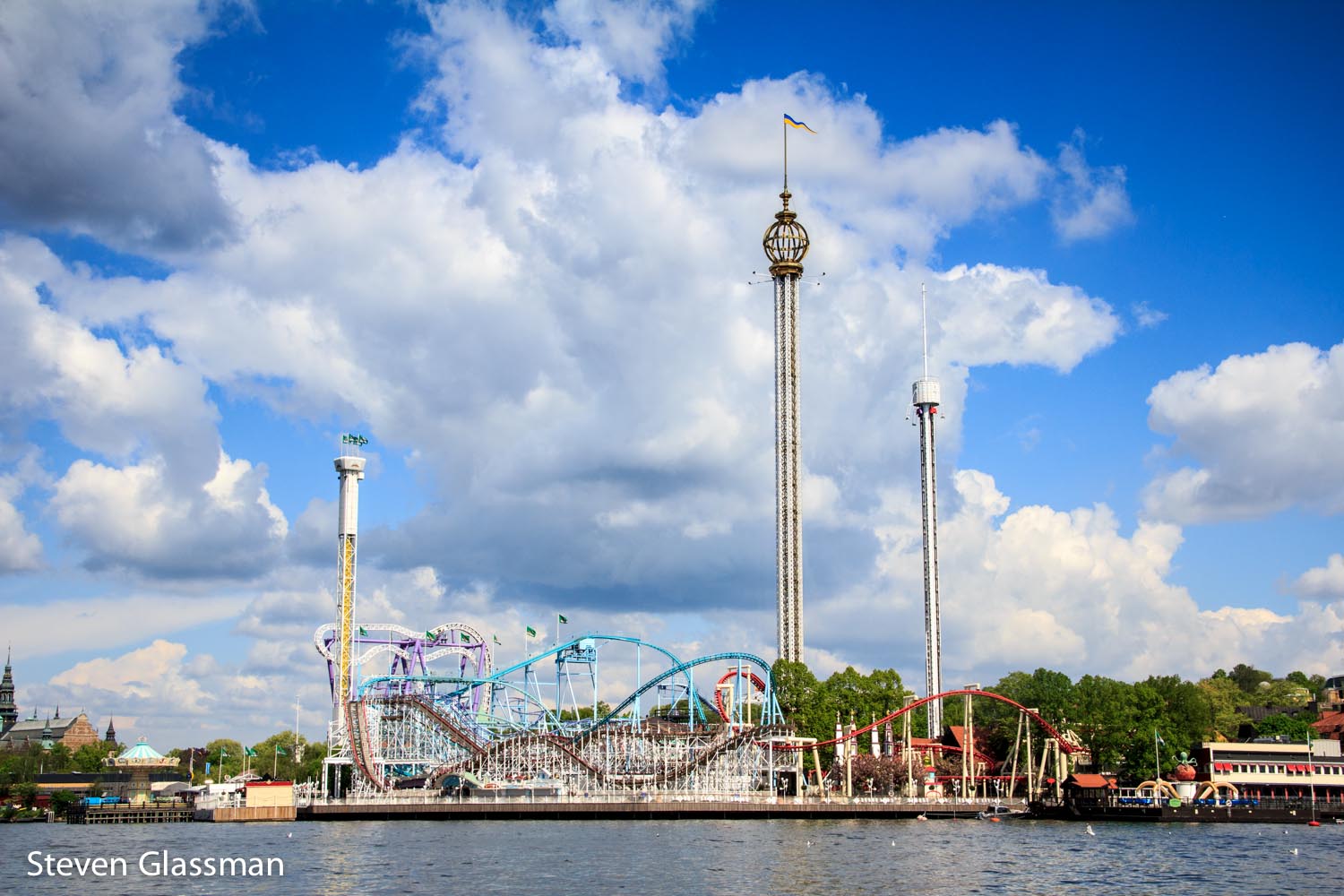
The amusement park Gröna Lund, as seen from the water.  The park is seasonal, and I was in Stockholm too soon to go inside.

stockholm-25

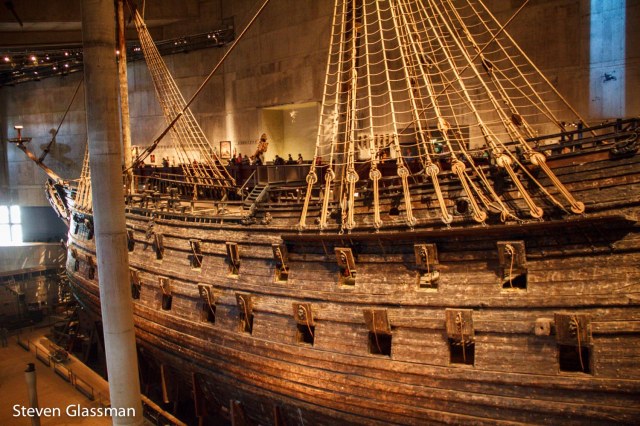
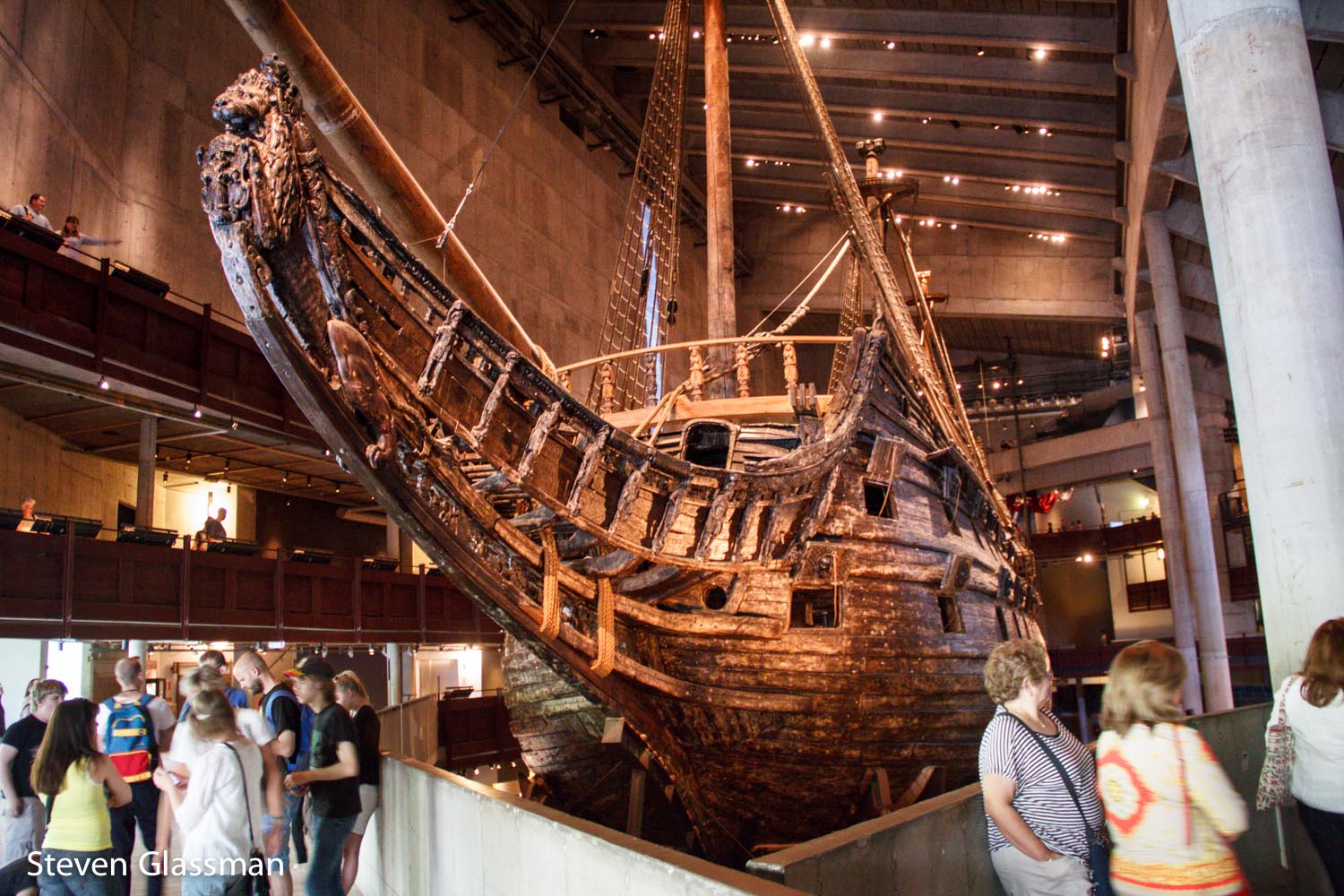
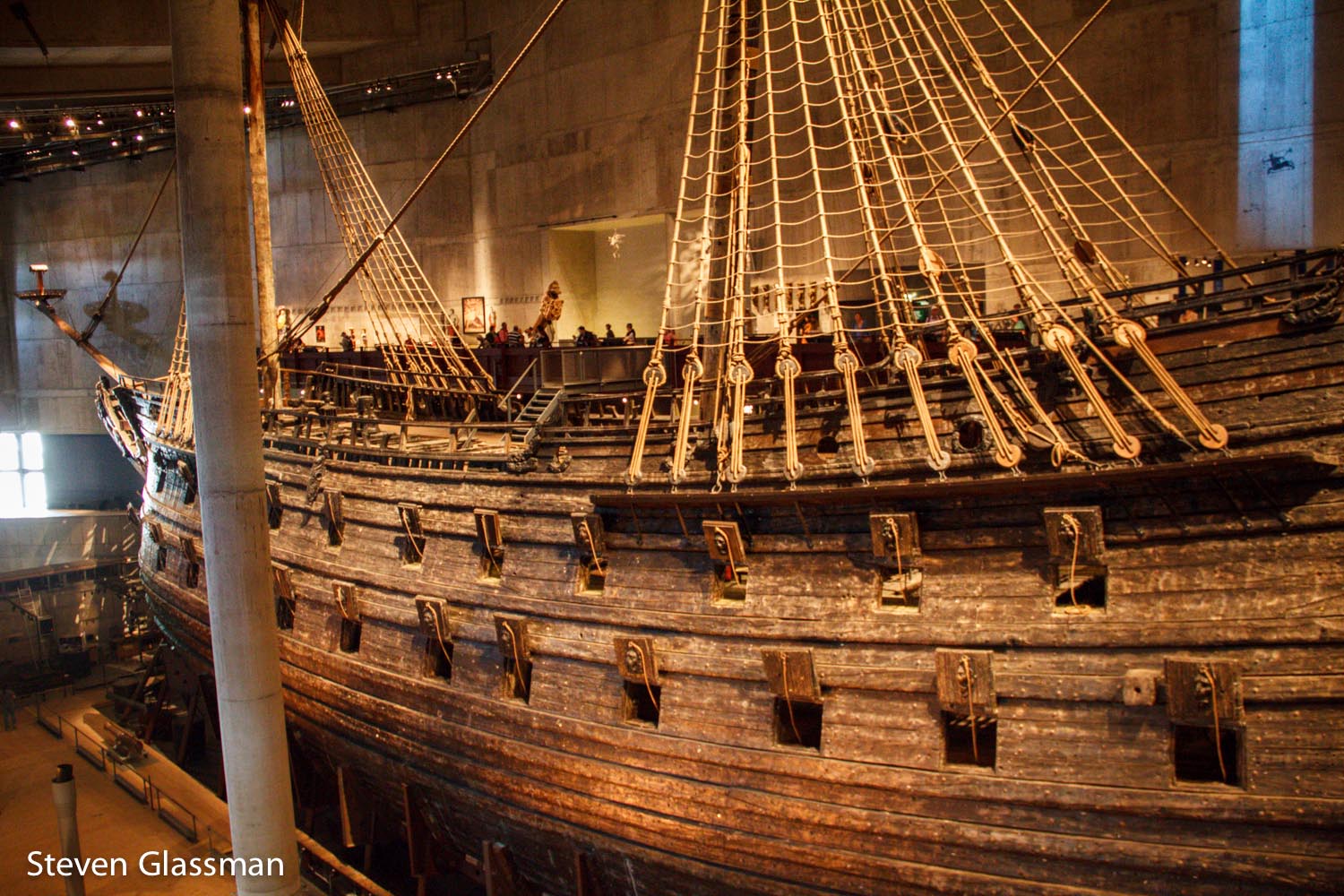
The Vasa Museum is one of the most popular tourist attractions in Sweden.   Here’s why:  The Vasa is a warship which set sail on her maiden voyage on August 10, 1628, and about a half hour into the trip, she sank into Stockholm Harbour.  333 years later, she was raised, restored, and a museum was built around her.   The vessel is something like 98% original parts with a coat of sealant for the wood, but they had to redo all the rope bits.
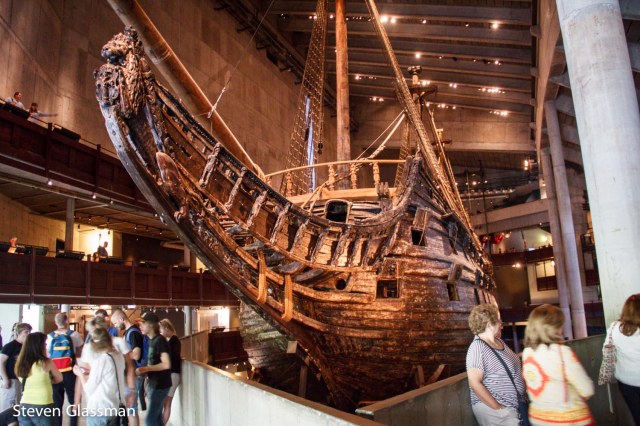
stockholm-27

There are models showing the process of raising the Vasa from the bottom of the harbor.
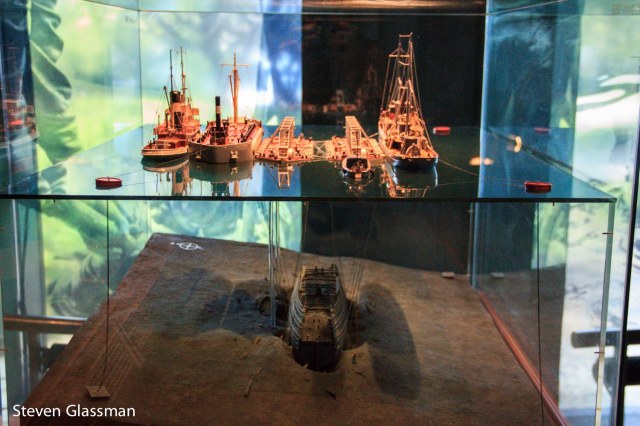
stockholm-28

The ship is huge.

stockholm-29

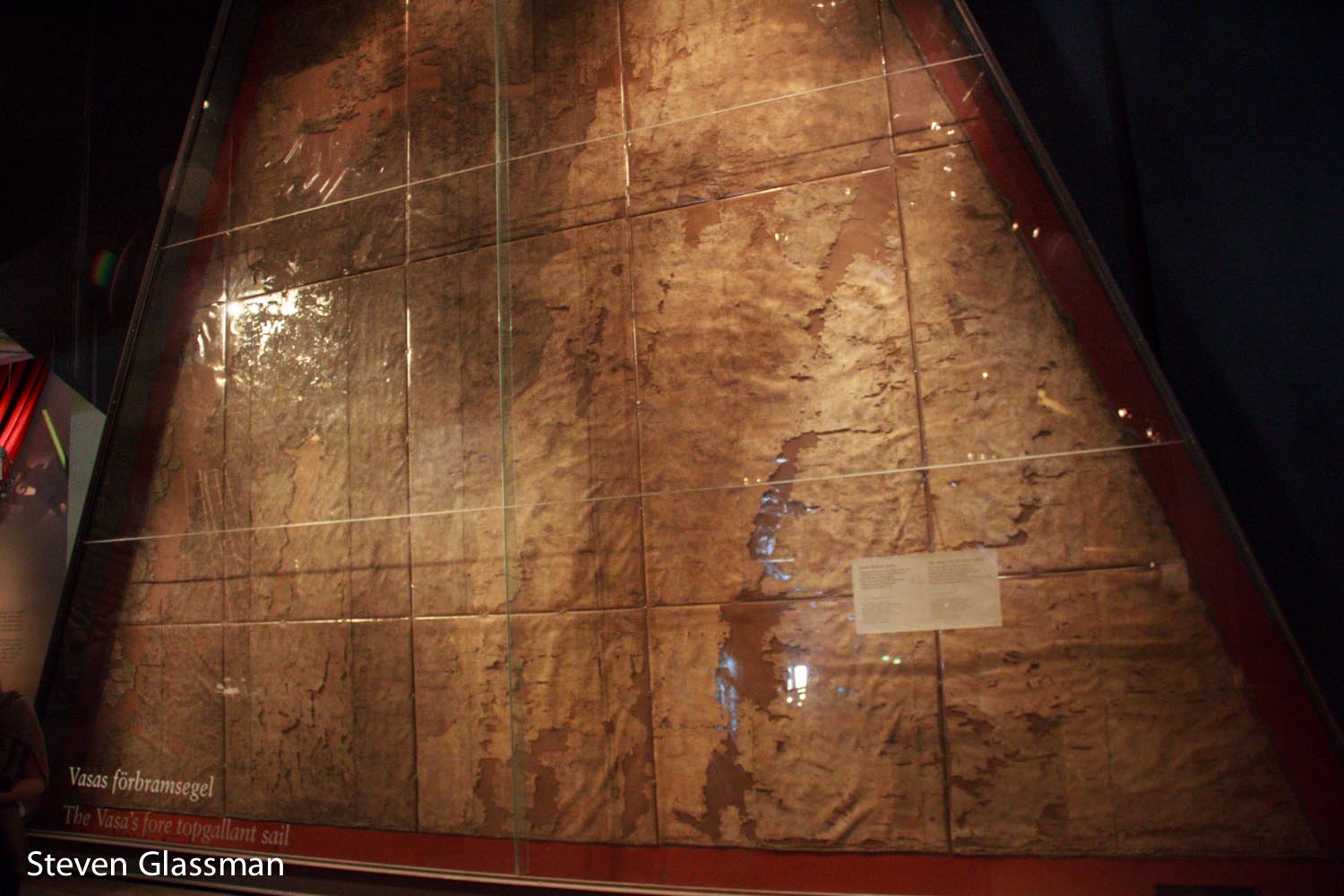
The original mainsail was not intact enough to stay on the displayed vessel, but they put it in an environmentally controlled glass case so you can still see it.
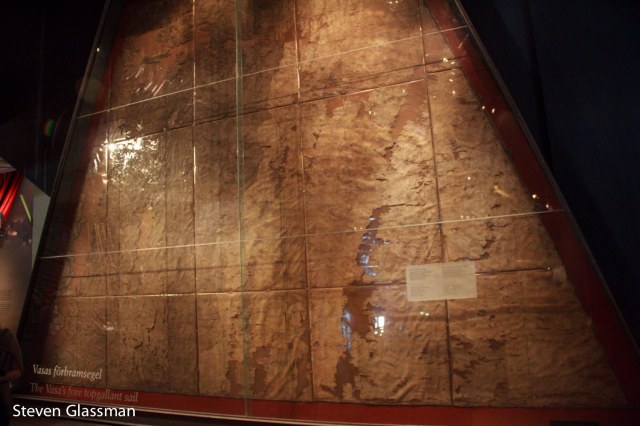
stockholm-30

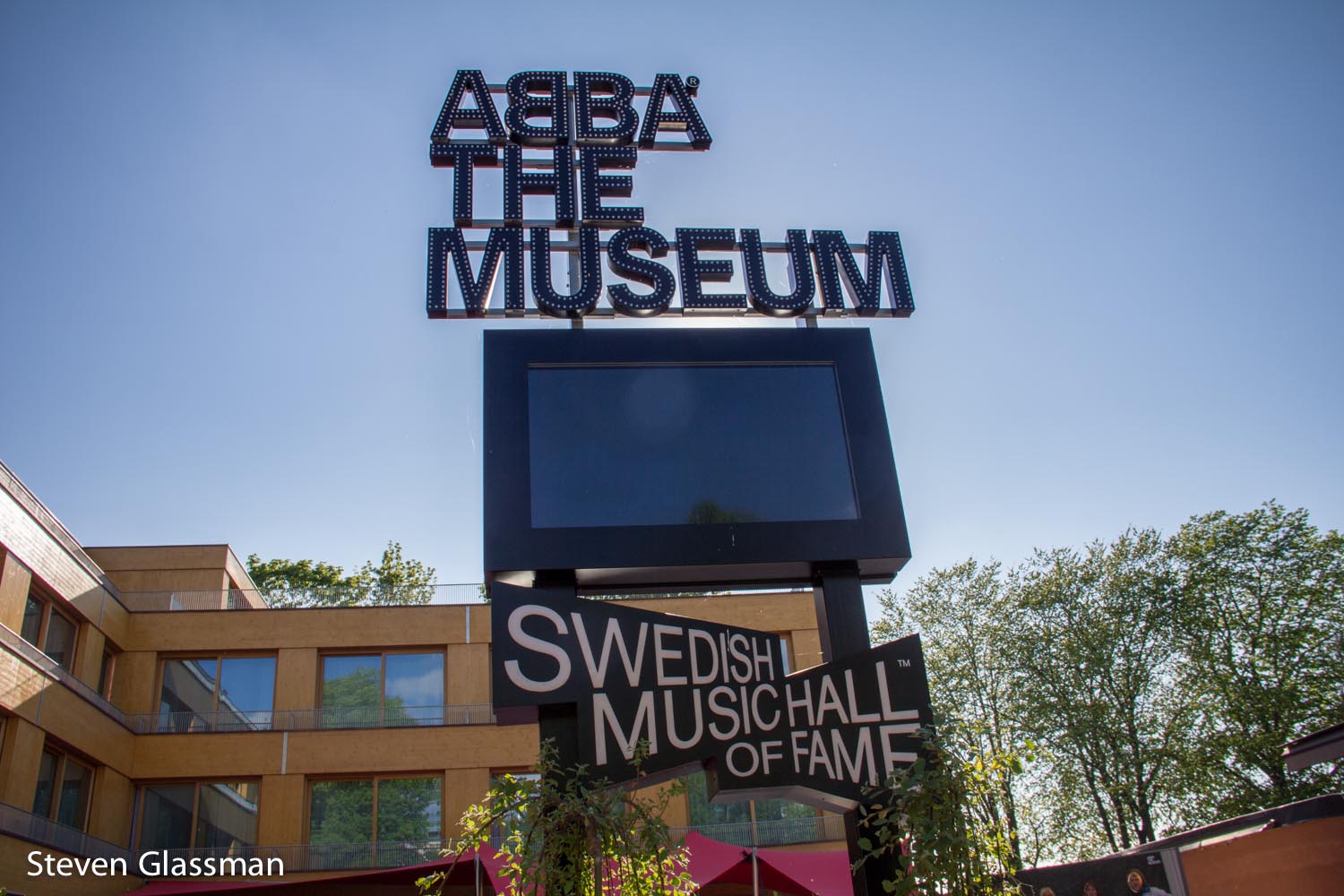
I did not actually go past the lobby of the Abba Museum because it was too late in the day, but I was sorely tempted to come back.
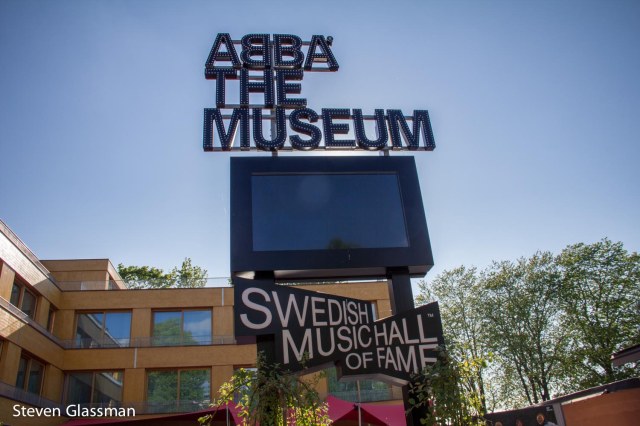
stockholm-31

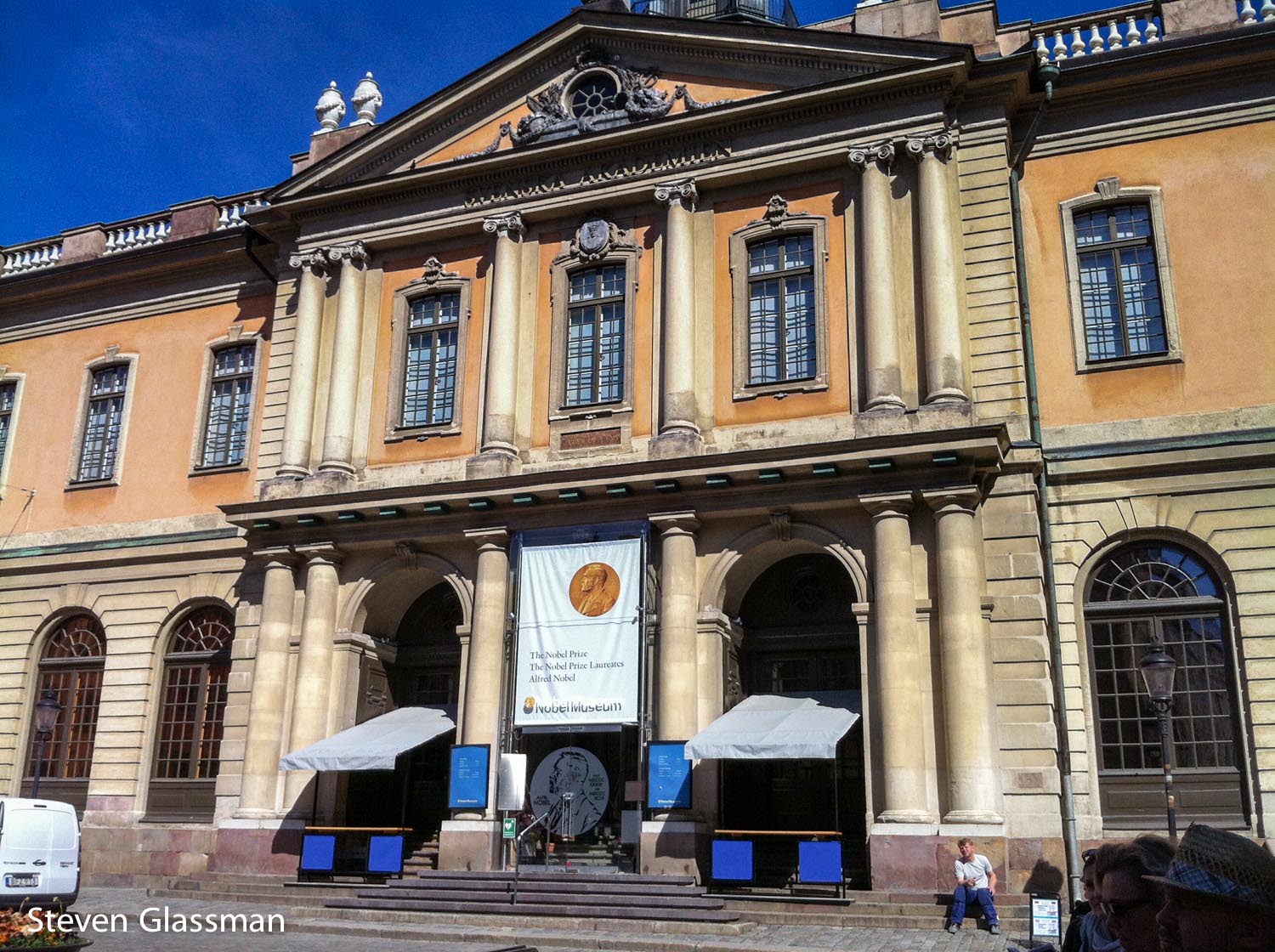
Meanwhile, back in Gamla Stan,  the Nobel Museum contains details about the Nobel Prize and its founder, Alfred Nobel.  I had no idea before this trip that Alfred Nobel invented dynamite and gelignite, or that he owned armament factories.  He was once nicknamed the Merchant of Death, despite being a pacifist.
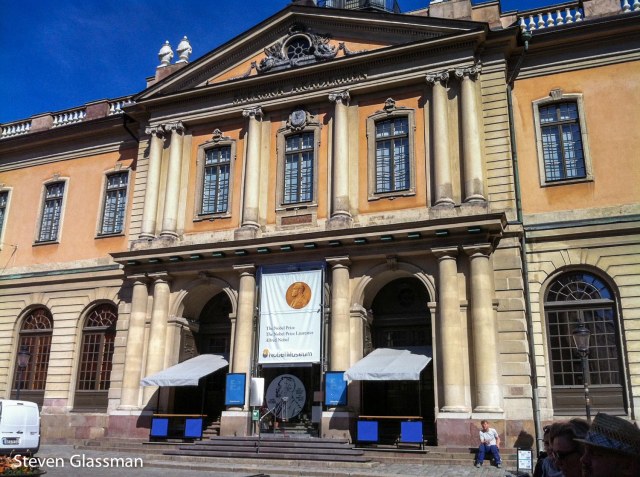
stockholm-32

Each of the more than 800 Laureates who has been awarded a Nobel Prize so far is presented in a random order, with a portrait and a prize citation.  The portraits move around the museum on a spiral track that loops back to the museum’s center.
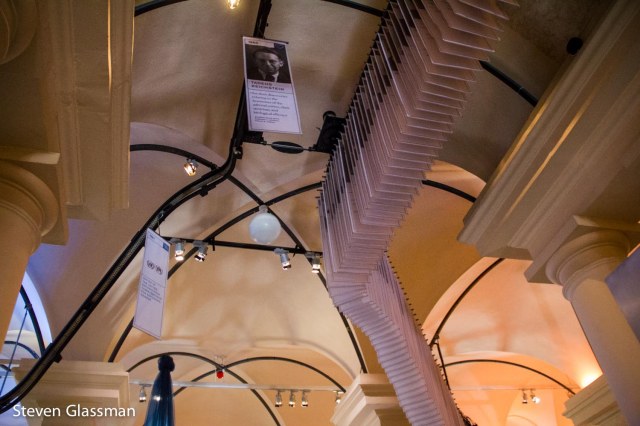
stockholm-33

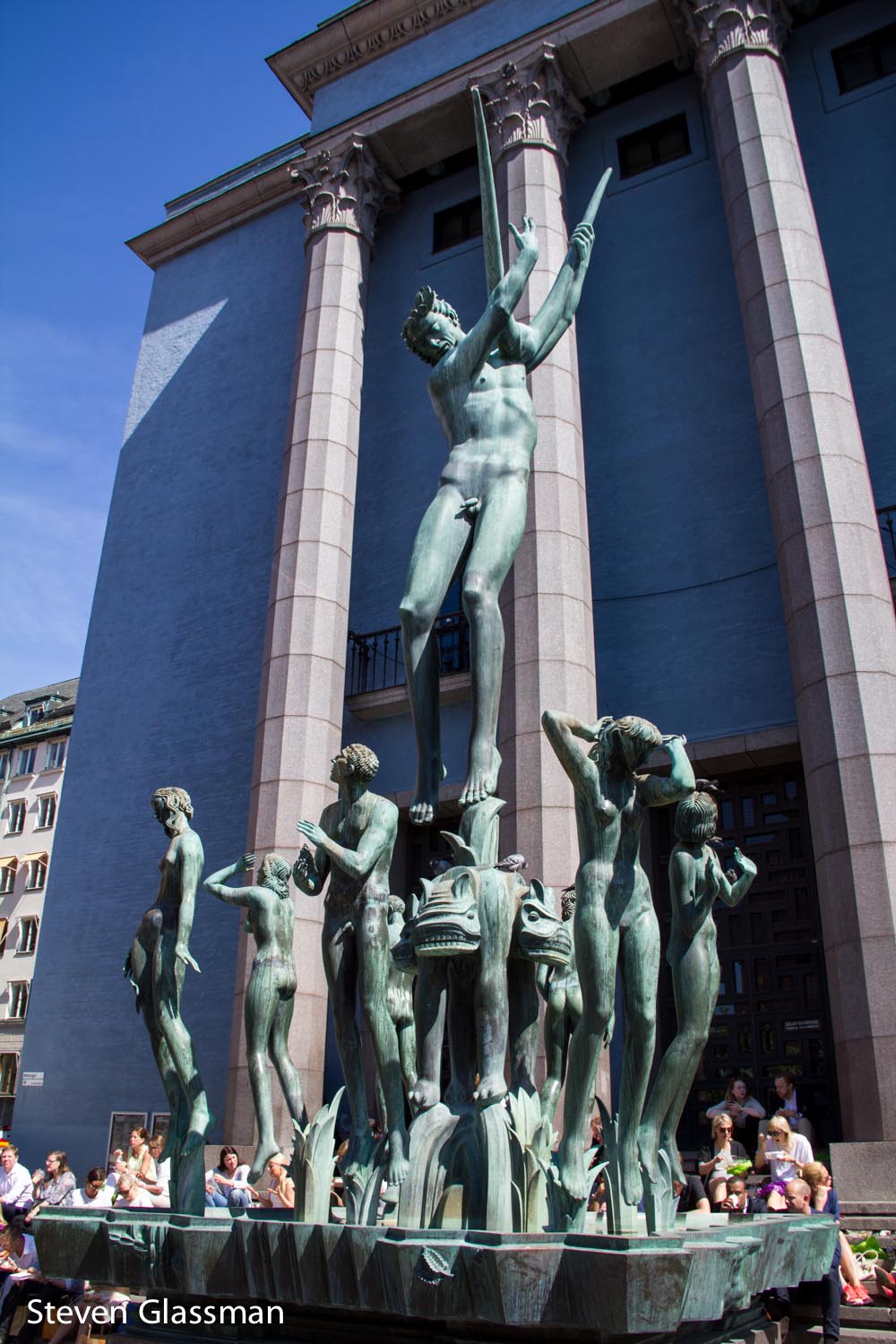
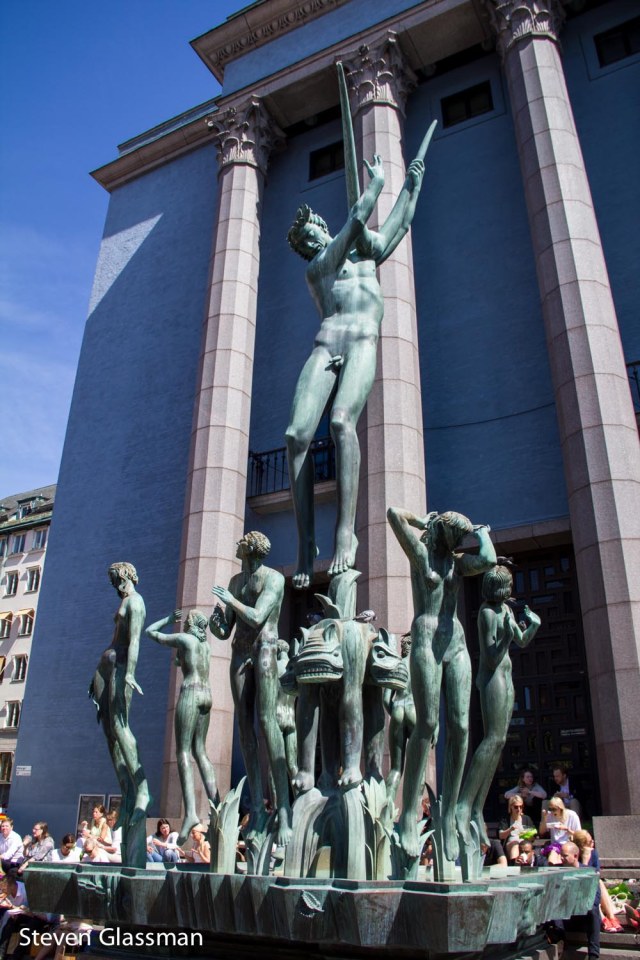
This sculpture represents Orpheus going to hell to bring back Eurydice, surrounded by eight male and female figures.  It stands in front of the Concert Hall at Hötorget in central Stockholm.  One of the male figures has the facial features of Beethoven because the sculptor really liked Beethoven.  I saw this sculpture briefly from a moving bus and I liked it so much that I went back on foot later so that I could get a good picture.
stockholm-34

This sculpture, called Non-violence, is used in various places to represent peace.  It was originally sculpted after John Lennon was assassinated, and there are sixteen of them around the world.  Three of them are in different places around Stockholm.

stockholm-35

This is a typical street in Gamla Stan.  I don’t actually recall why I specifically took this photo.

stockholm-1

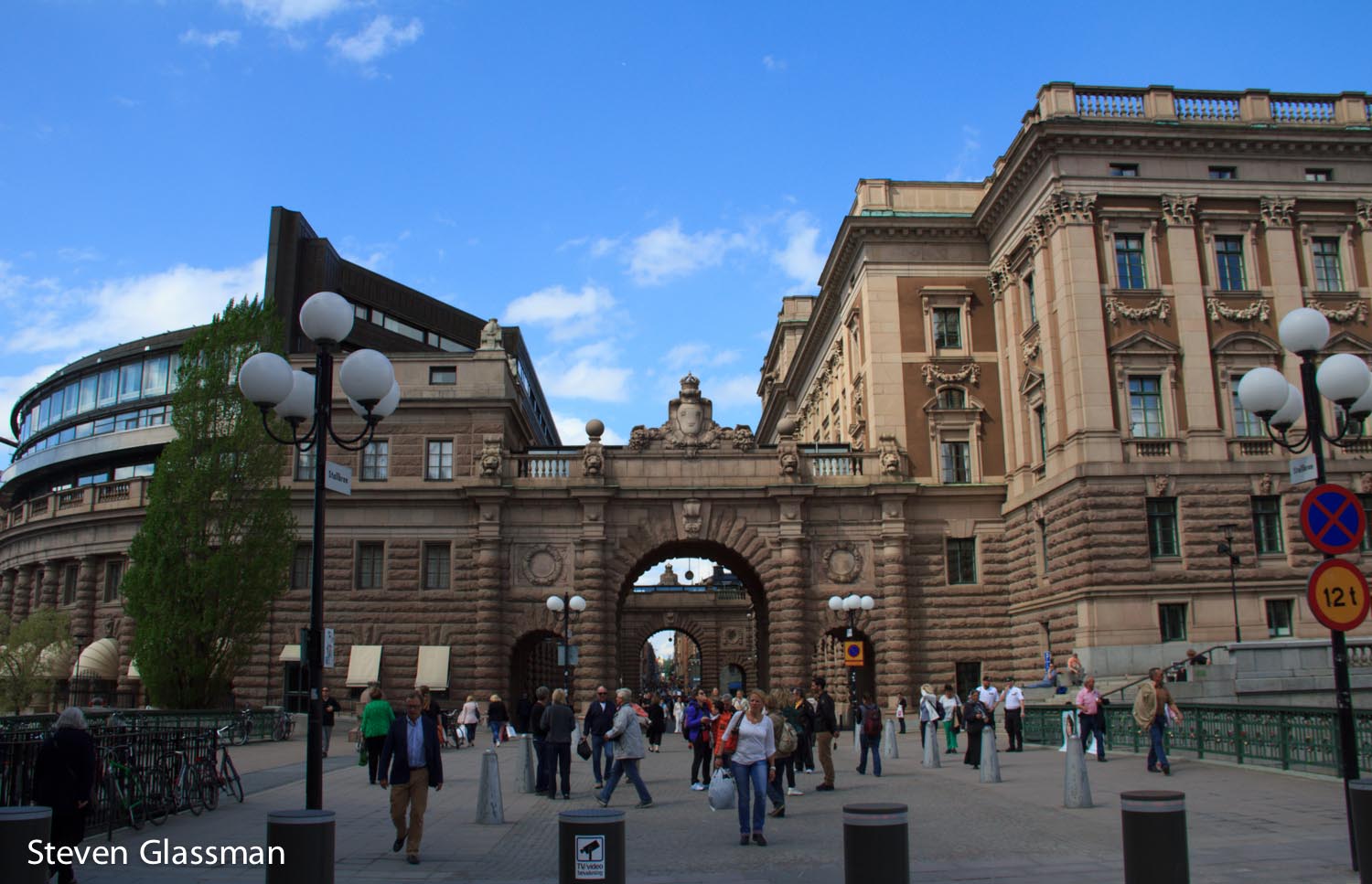
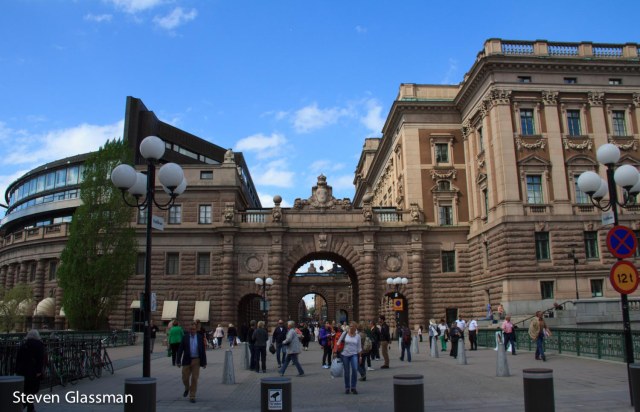
This is the Swedish Parliament in Gamla Stan.
stockholm-2

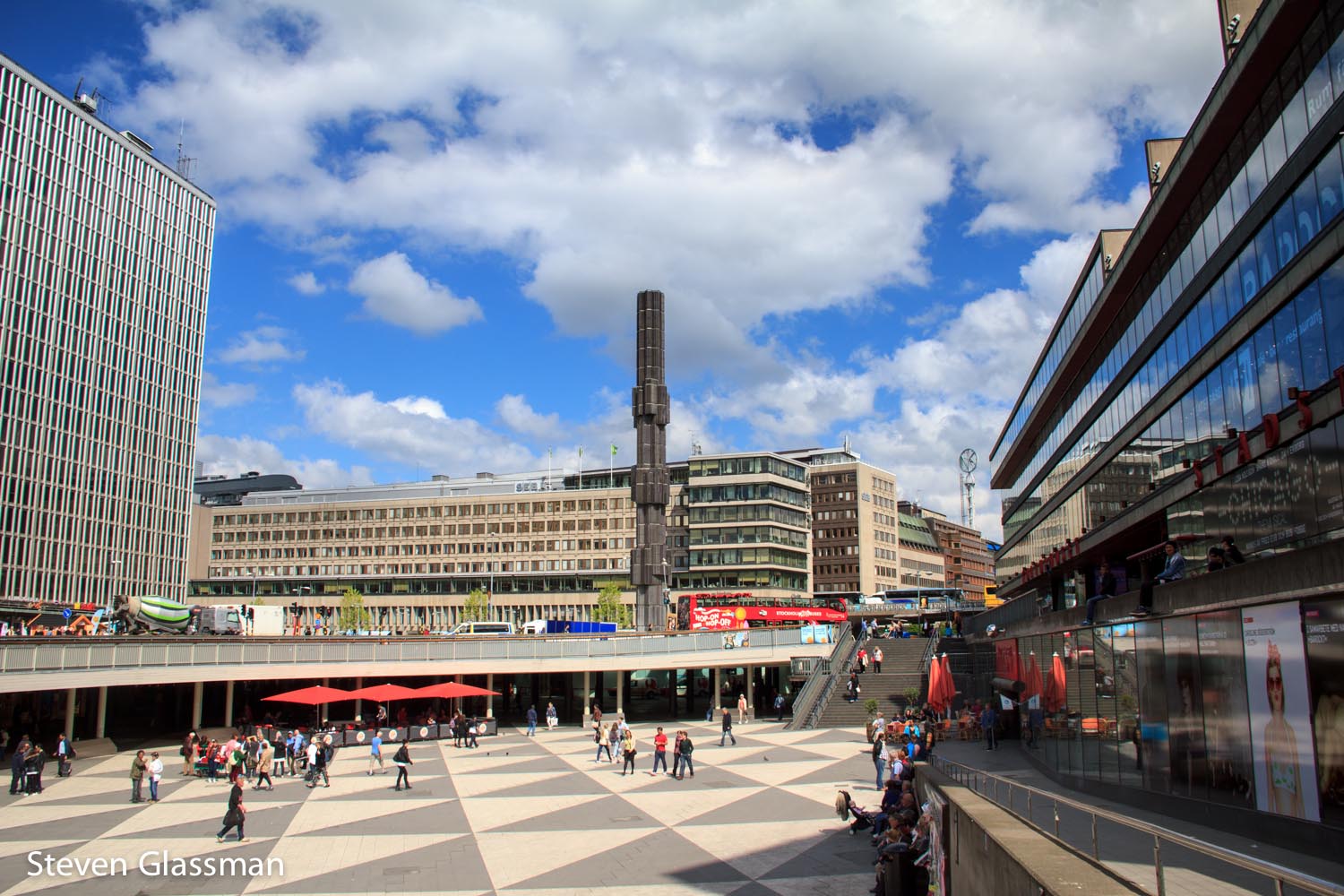
Sergel’s Tor is a popular meeting place.  It’s connected to the main train station for Stockholm, along with shopping, dining, public transportation, and a really nifty tall sculpture thingie.  Also, the building to the right is called the Kulturhuset-  it has exhibitions, a children’s library, and several restaurants.

stockholm-3

One of the tours I took while in Stockholm was the Free Tour with tour guide Ira.  Free Tour Stockholm offers old city and regular city tours, and the whole thing is free- they work for tips.  It was very informative.  In retrospect, I don’t think the girl in the glasses wanted very much to be in my photograph.

stockholm-4

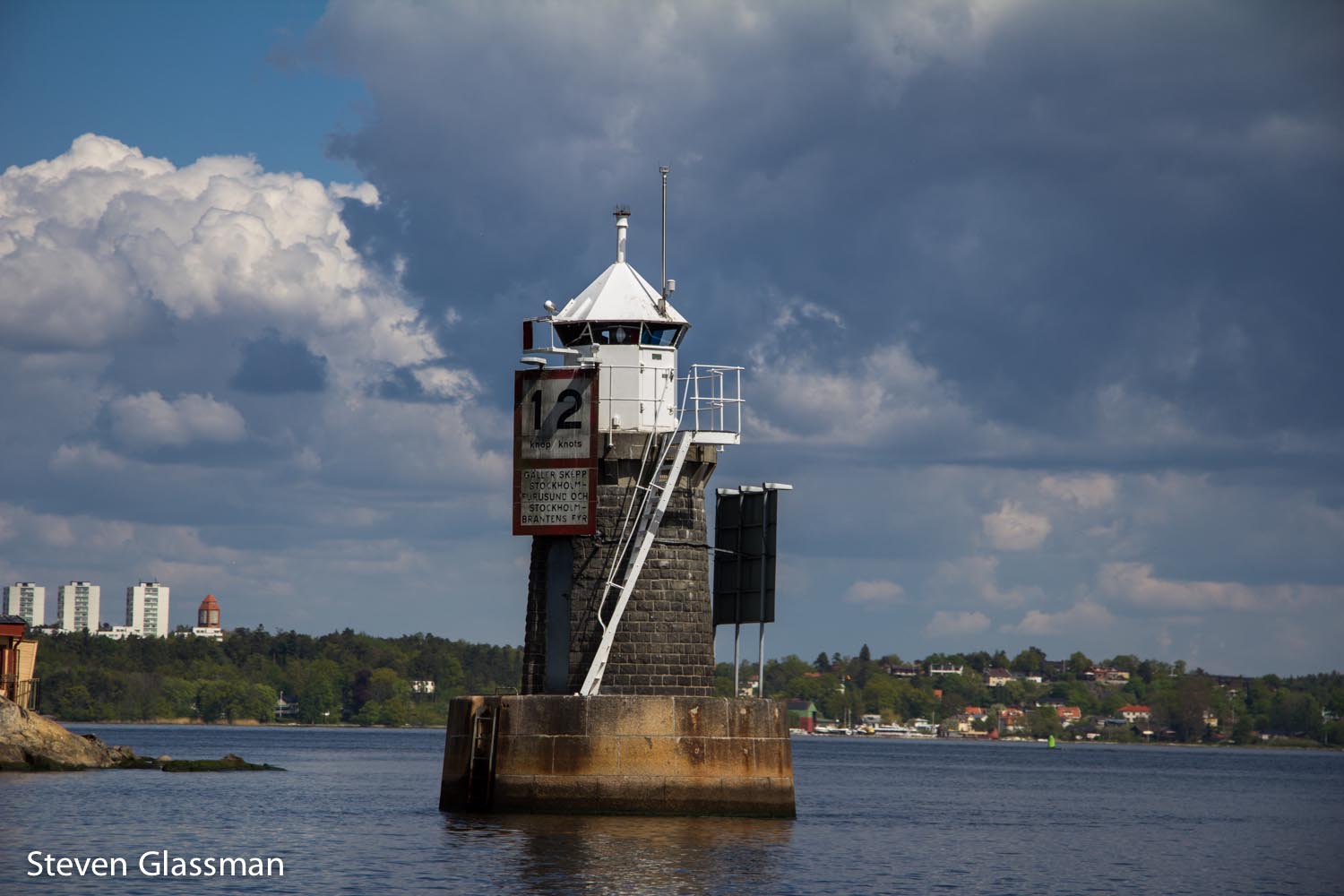
Gustaf Dalén’s lighthouse.  This little structure was set up in 1912.   Dalén won  a Nobel Prize in physics for his work on regulators in lighthouses and buoys.  When this lighthouse was electrified in 1980, it was discovered that the sun valve had been working continuously since 1912 without the need for an overhaul.

stockholm-23

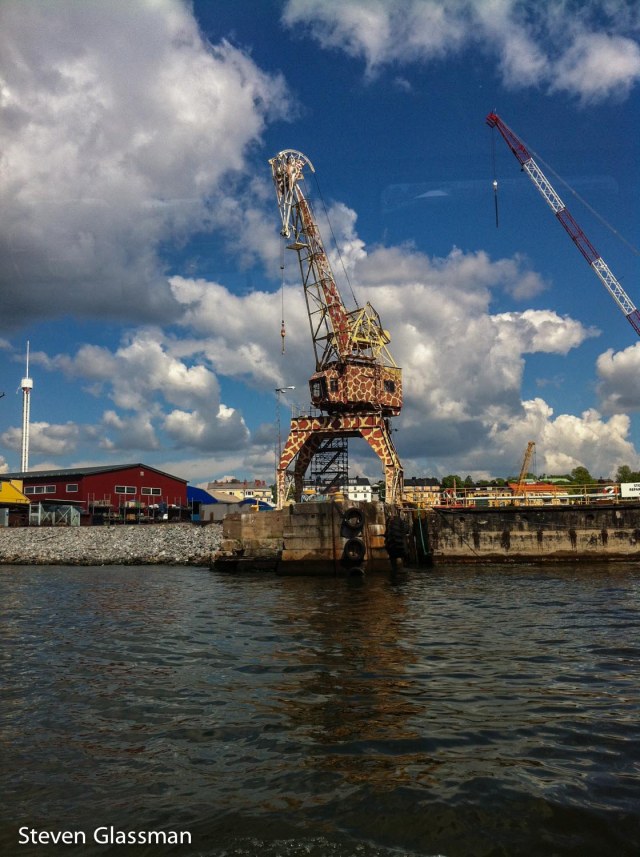
If you have to have a permanent crane on your waterfront, why not paint it to look like a giraffe?
stockholm-24

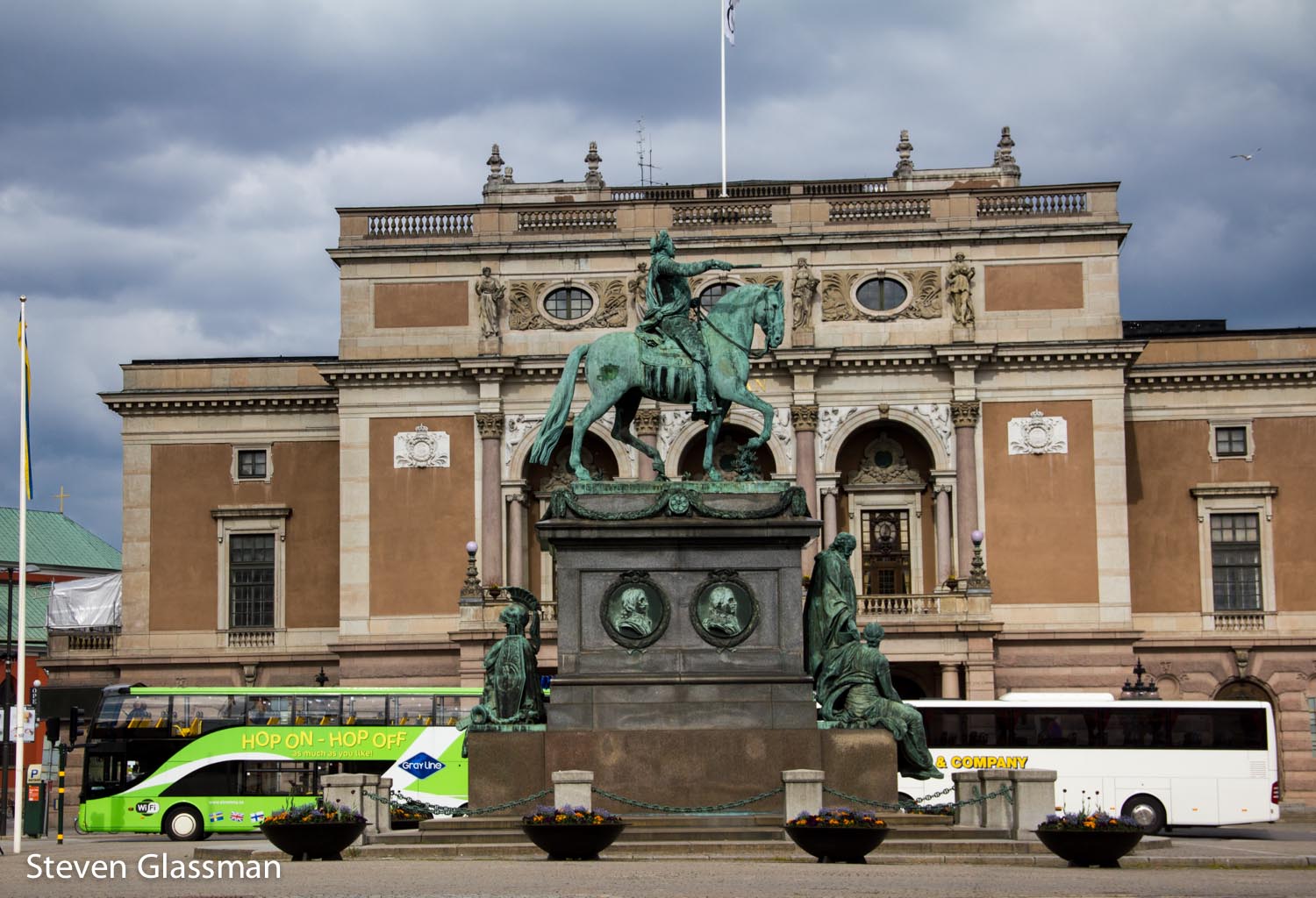
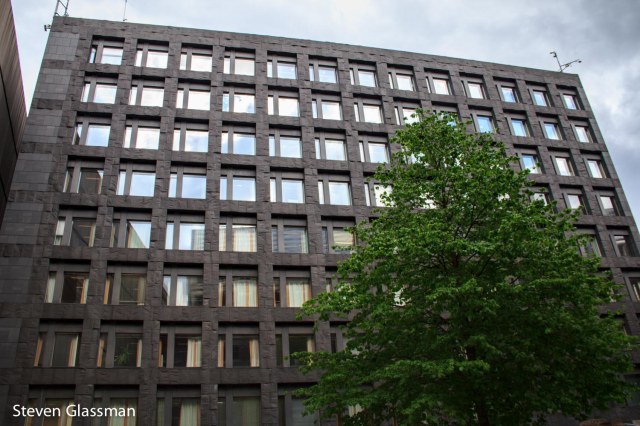
The Swedish Central Bank, Sveriges Riksbank, is the oldest central bank in the world.  It was founded in 1668.  This is not the original structure, though.  They moved here in the 1990s, I believe.
stockholm-5

The Monarchy in Sweden is just chockablock with Carls and Gustavs.   This plaza is Gustav Adolfs Torg.

stockholm-6

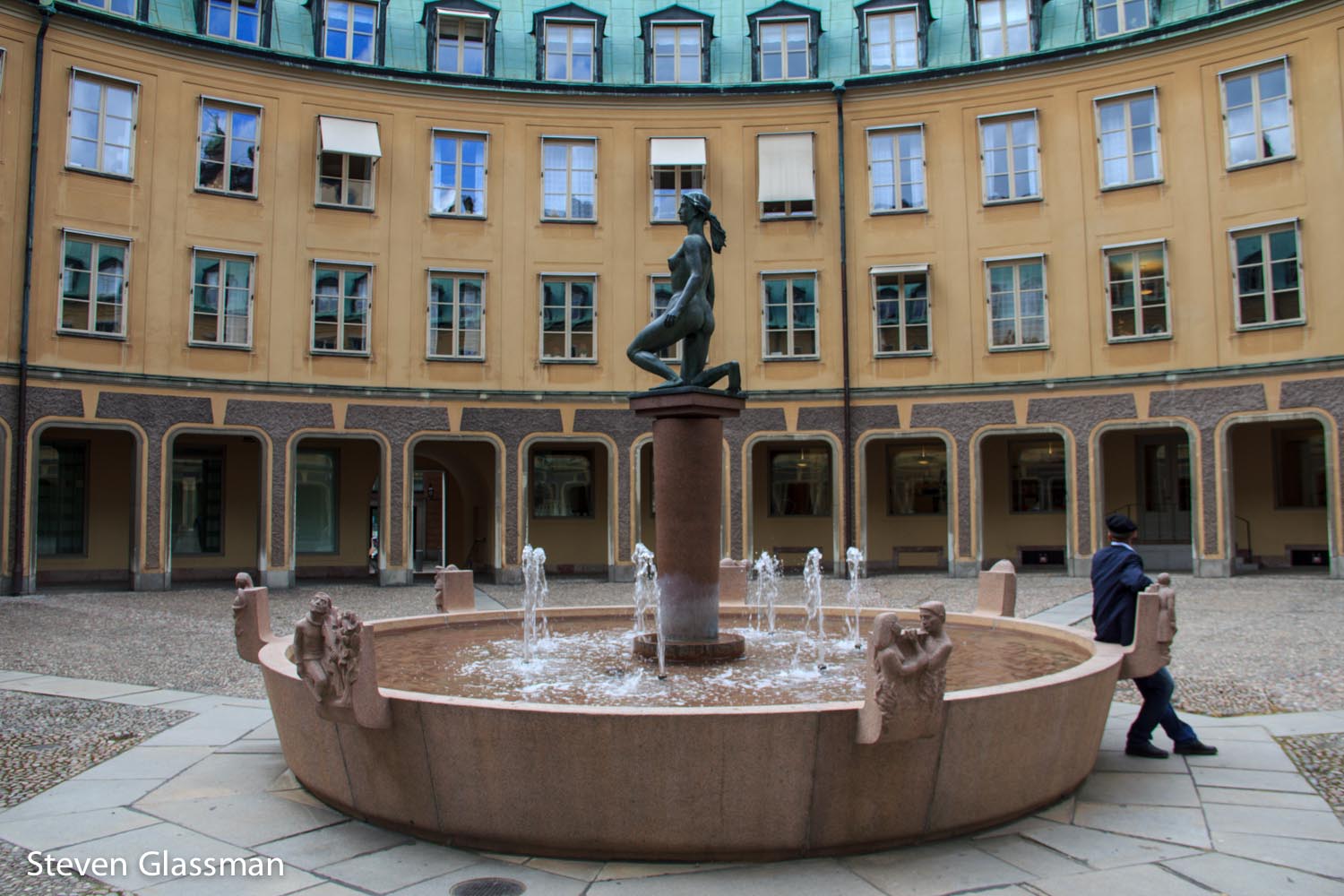
This quiet pleasant little circular area is offset from Gamla Stan-  you have to walk through a passageway that looks a bit like a hallway to reach it.  It’s the sort of thing you find if you’re willing to explore a tiny bit off side streets and alleys.
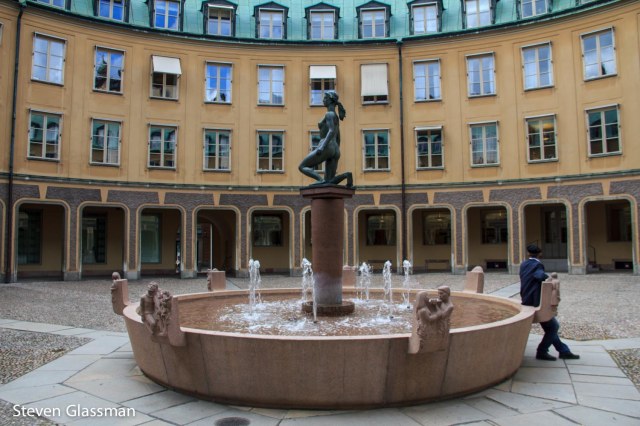
stockholm-7

The Royal Palace in Gamla Stan is the “official” place of residence for the royal family, but they don’t really stay there.  They do have official events there, and they do receive state visitors there.   There are, naturally, Royal Guard members standing and marching in front of the Palace.
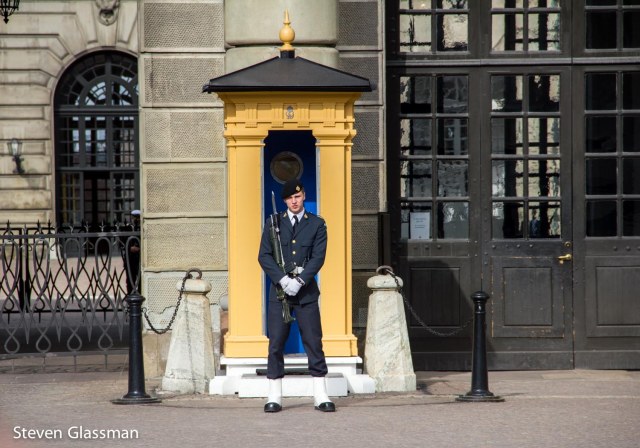
stockholm-8

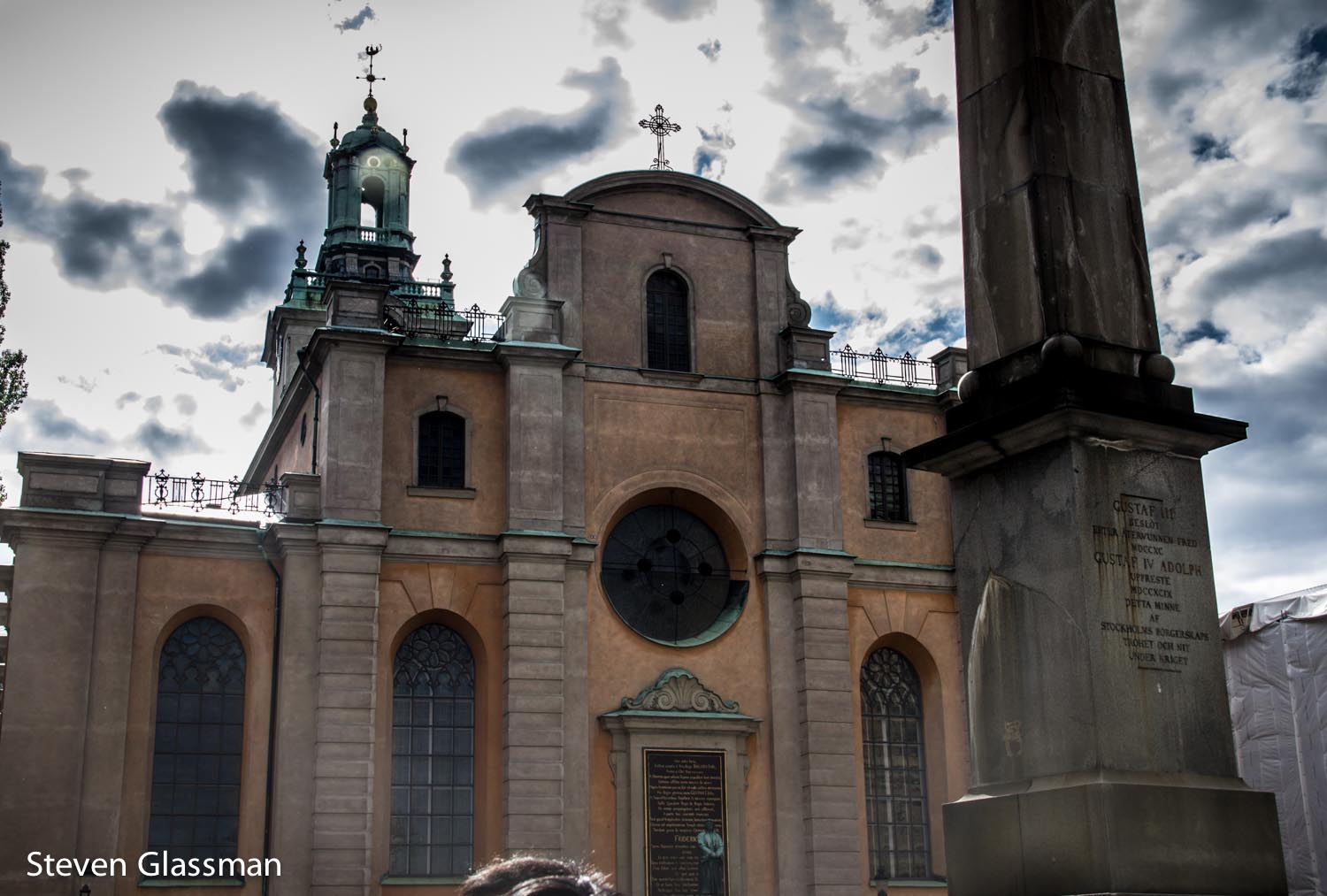
This is a big church that gets used for big events.  After a few years in Europe, the Big Important Churches are kind of starting to run together.
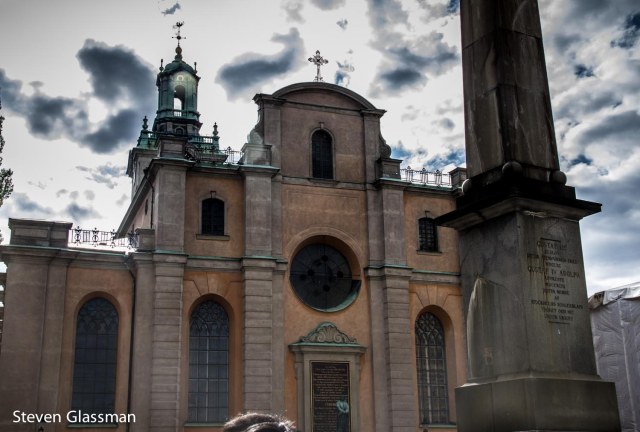
stockholm-9

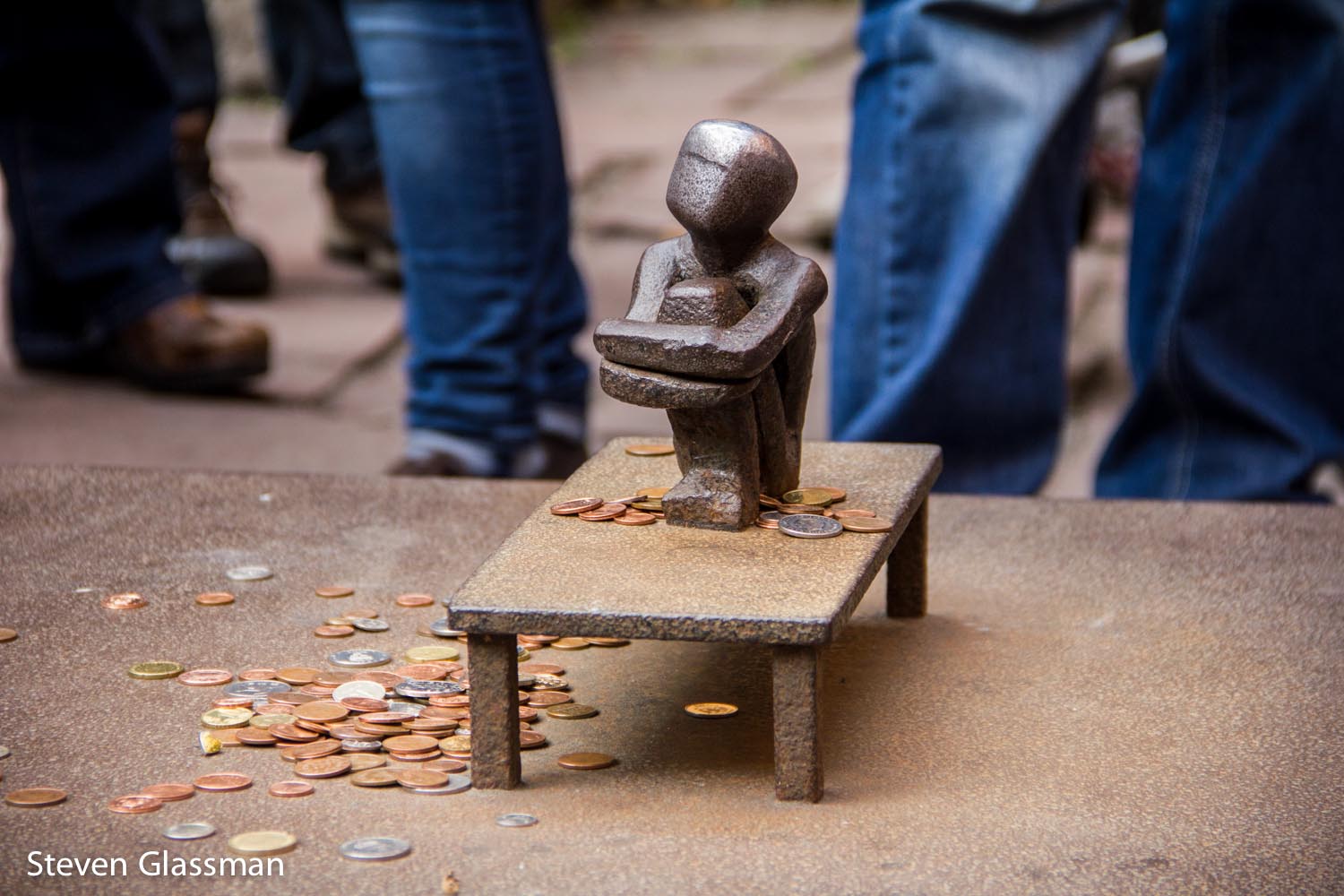
This statue is called “Iron Boy.”  It’s also called “Boy looking at the moon.”  The statue is only fifteen centimeters tall, and is considered Stockholm’s smallest public monument.   The Iron Boy is behind a church and is very easy to miss.  People leave coins and rub his head for luck.  There’s also a legend that he helps women become pregnant, but it’s entirely possible that our tour guide was just messing with us.  I would not have seen this without Free Tour Stockholm’s guidance.

stockholm-10

St. George and the Dragon.

stockholm-11

These buildings are in the same square as the Nobel Prize museum, and they each have a pastry restaurant at their base.
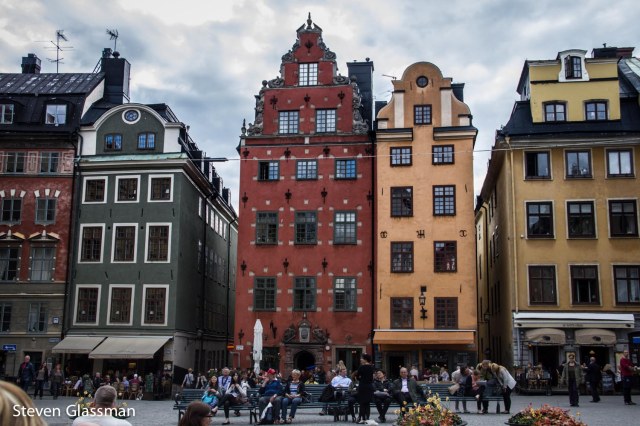
stockholm-12

Have you ever been to Stockholm?
Nordic Adventure, Part 1: Helsinki

I scheduled a bunch of time off for another trip that didn’t quite pan out, so I decided to use the time to visit Helsinki, Stockholm, Oslo, Copenhagen, and Reykjavik.  I started my two week romp through the Nordics with a day in Berlin, where I checked off the last three Category One stations and attended a concert by Hayseed Dixie.  The next day, I flew from Berlin to Helsinki, Finland.

My pictures from Helsinki are in no particular order.

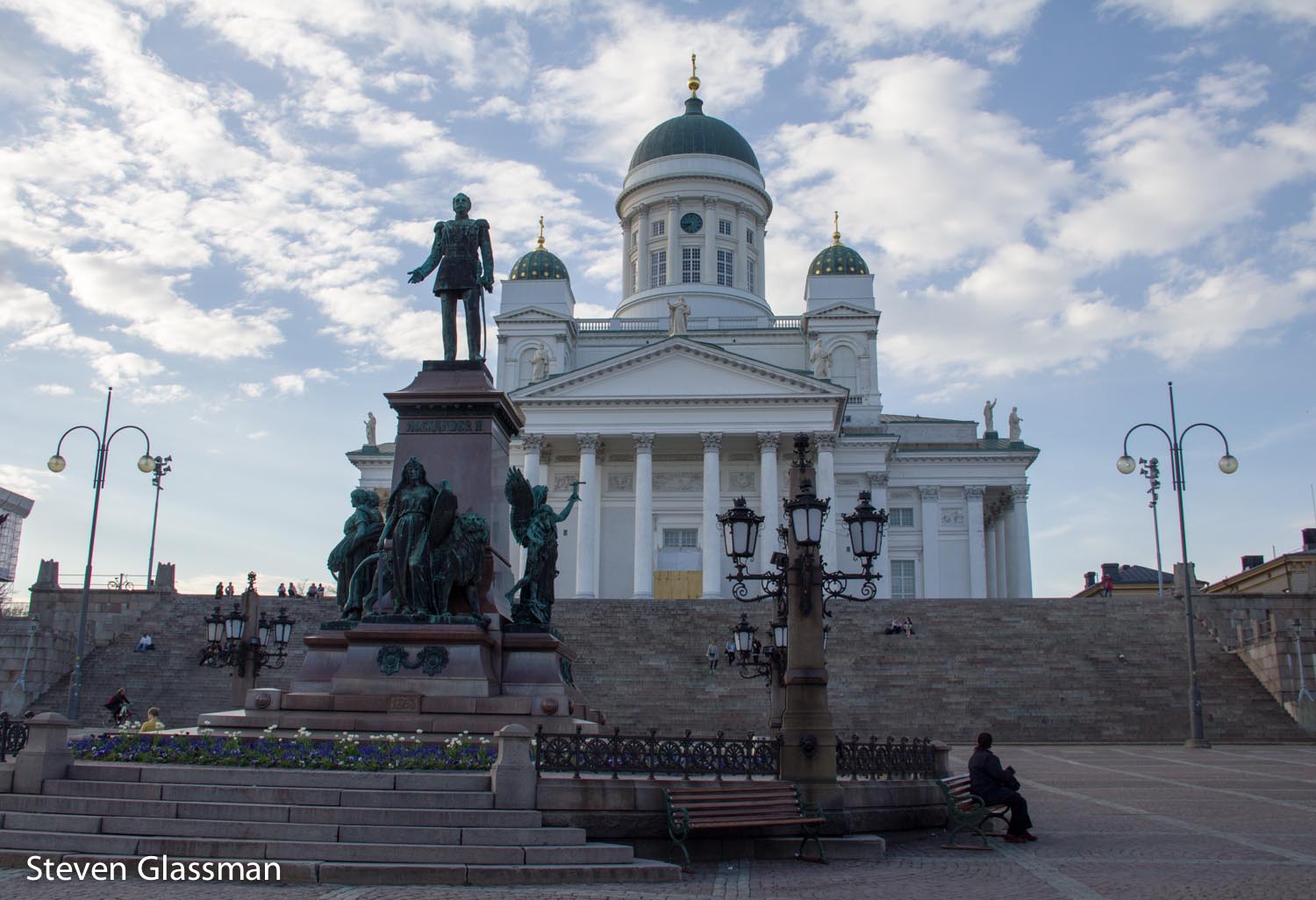
This is the statue of Alexander II and the Lutheran Cathedral, as seen from about a third of the way into Senate Square.    If you do a Google Image search just on the word Helsinki, the Cathedral is going to be the single most common image.  It’s pretty well known.

helsinki-0

This is Esplanade Park, a short walk from the Harbor.  The statue is  J.L. Runeberg, the national poet of Finland.  This park is a meeting point for locals and tourists, and there are free concerts here during the summer.

helsinki-1

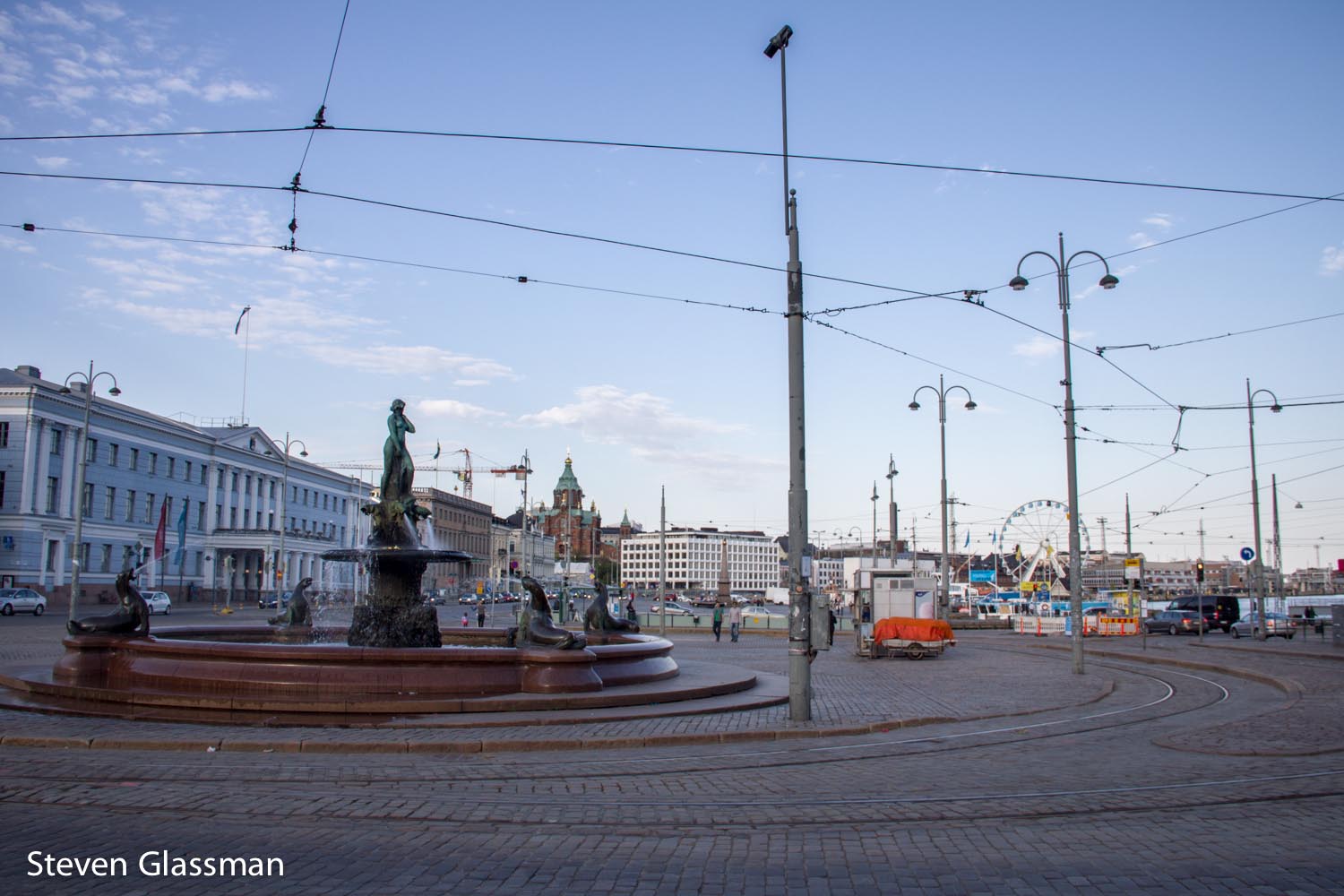
A convergence of tram lines near the harbor.

helsinki-2

Uspenski Cathedral, the  Russian Orthodox behemoth of a church on the hill in the background, is walking distance from the Harbor.

helsinki-3

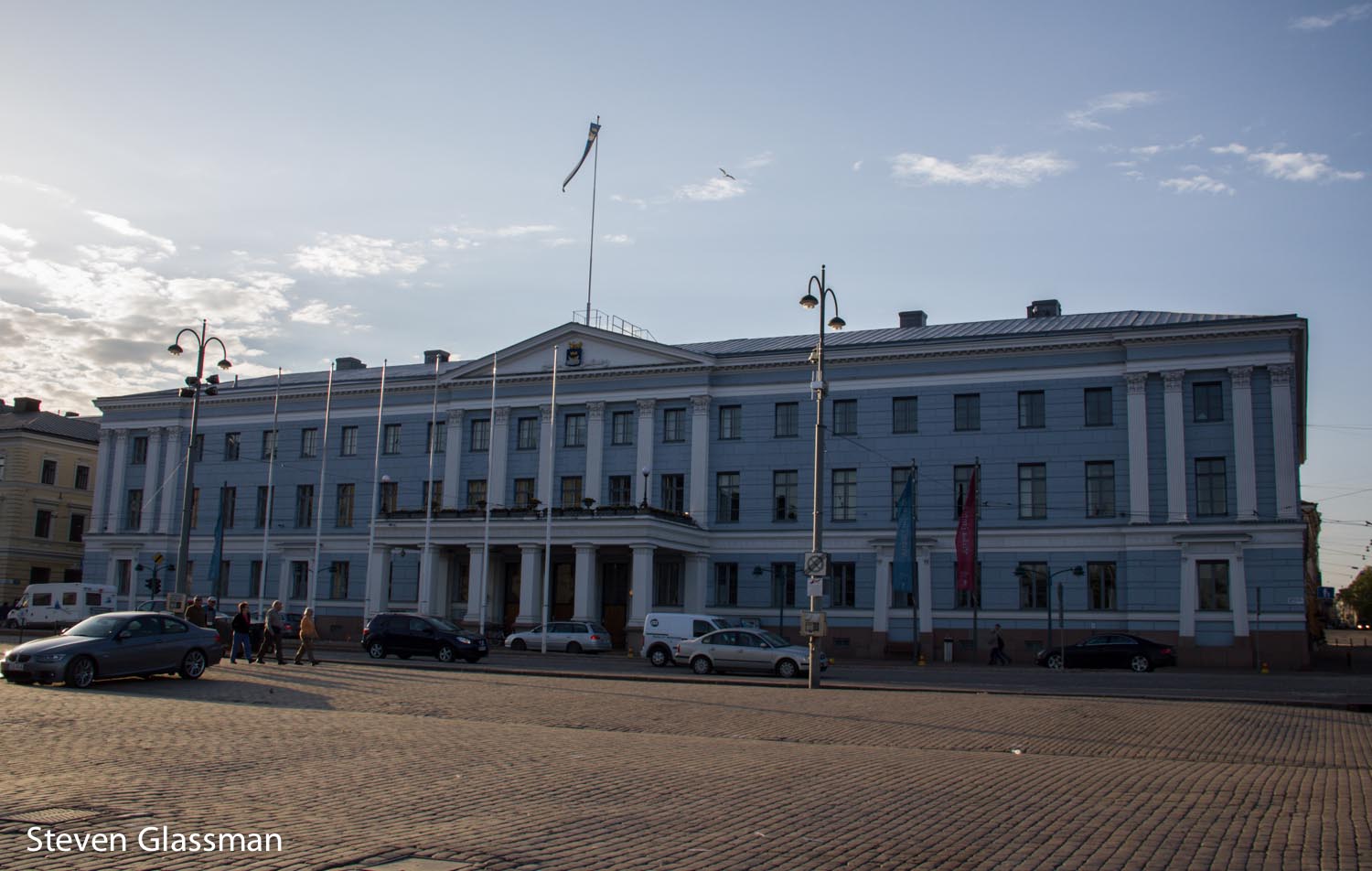
Helsinki City Hall, I think.   It’s possible that I made the wrong assumption here.

helsinki-4

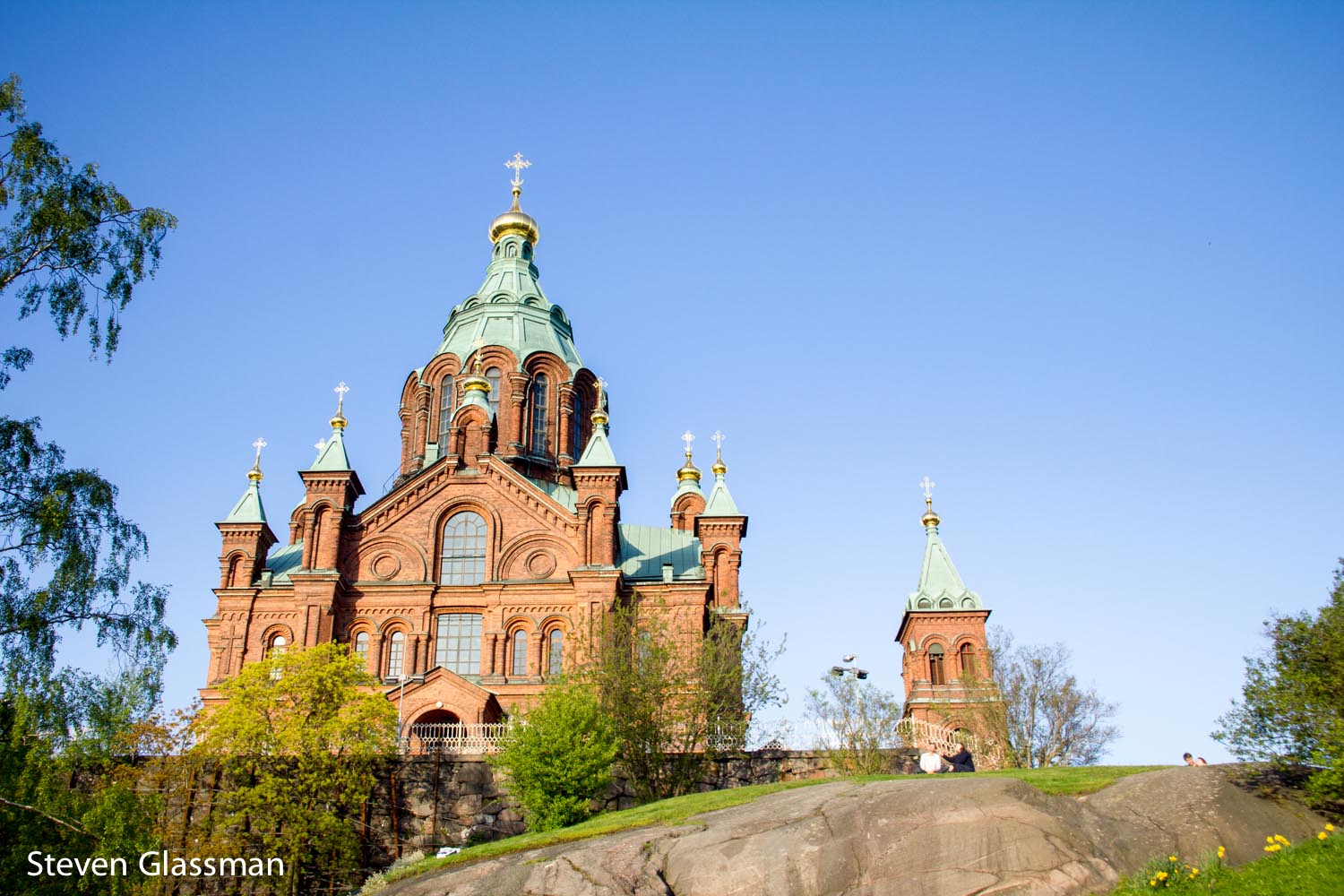
Uspenski Cathedral again, this time from a bit closer.  Uspenski is the largest Orthodox cathedral in Western Europe.

helsinki-5

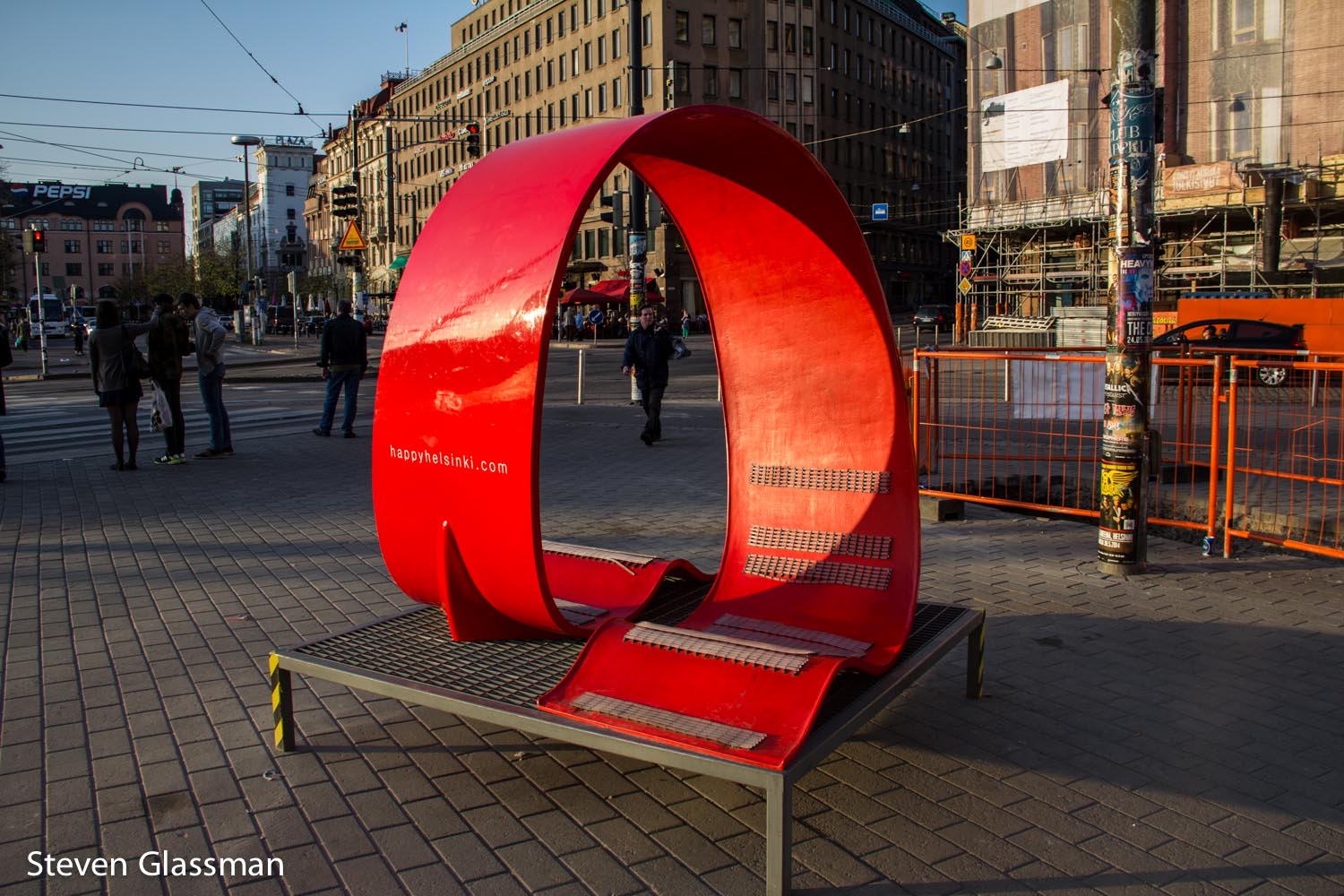
I quite liked the feel of Helsinki.  Any city that puts out paired lounge chairs for its citizens can’t be all bad, you know?  I didn’t try out these chairs, but I should have.
helsinki-6

The railway station.  I walked through this building to see the inside, but it wasn’t as impressive as the front.  This totally looks like it could be used for establishing shots in the upcoming Justice League movie, don’t you think?
helsinki-7

Completed in 2012, the Kamppi Chapel of Silence in Narinkkatori square isn’t really a church.   It was designed by architects, and is built out of wood (Alder, spruce, and ash, according to the signs.)  It won the International Architecture Award 2010, and is part of the World Design Capital Helsinki 2012 program.

Inside, the sound of the city is blocked out, and it’s muted and quiet-  something you might expect from a place called the Chapel of Silence.    This is only a kilometer from Senate Square, so it’s easily reachable on foot or by tram.

helsinki-8

I had never heard of Moomins before this trip.  This is yet another instance of the United States completely and utterly missing a swath of culture from other places.  The Moomins, created by Swedish speaking Finnish auther Tove Jansson, have been cartoons, comic strips, stage shows, movies, novels, and even a theme park.  They’ve had exposure in England, Russian, Japan, Austria, and Cuba… but until this trip, I’ve never seen a Moomin.  The Jansson family has turned down offers from the Walt Disney Company, so that explains some of my lack of exposure.

helsinki-9

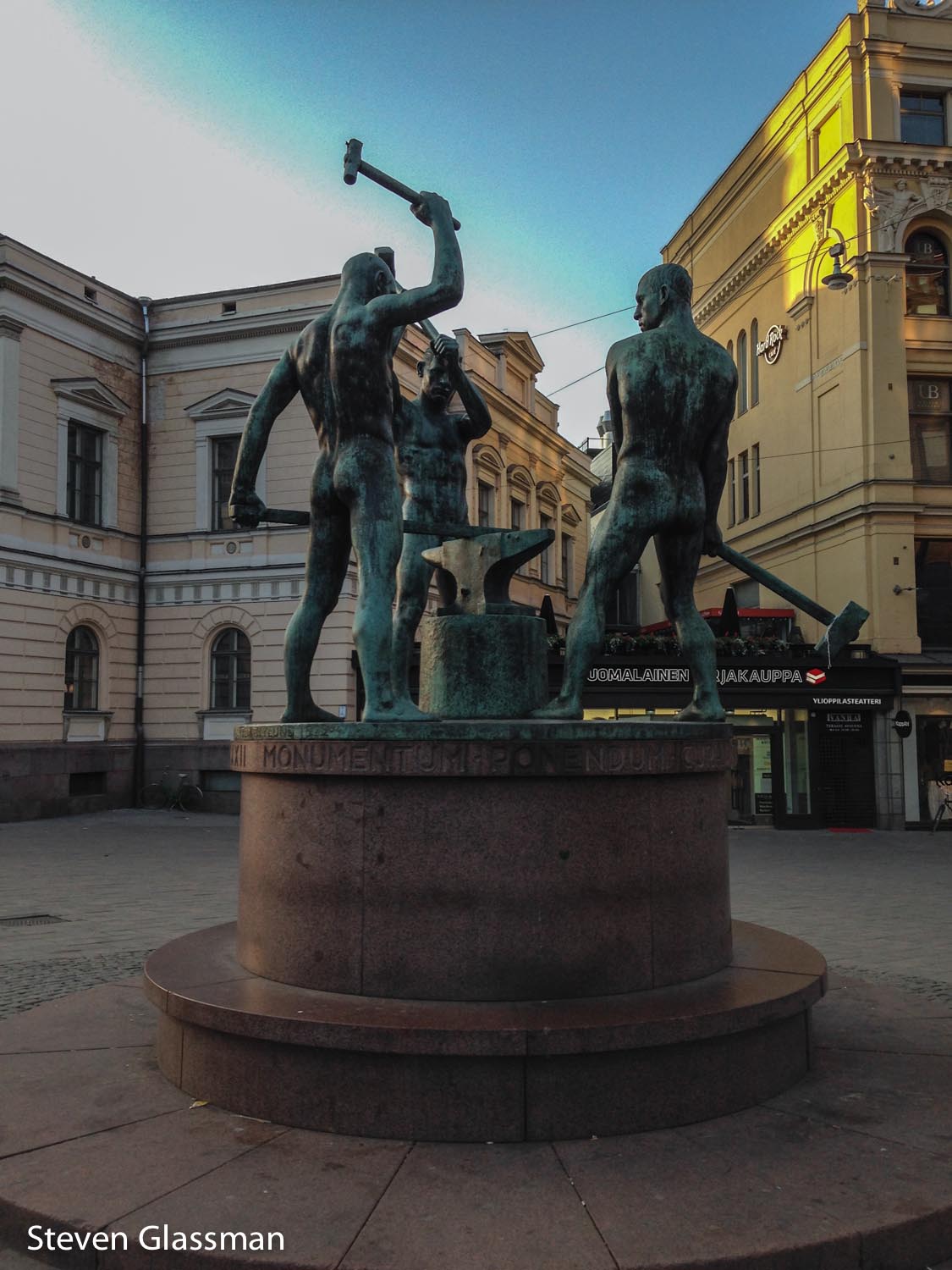
The Three Smiths statue, unveiled in 1932, is another popular meeting place for locals.  Also, it’s directly in front of the Hard Rock Cafe, if you’re into that sort of thing.  I actually ate at Kaarna, another restaurant nearby.   I had a delicious reindeer burger patty with braised onion and salad wrapped in Laplandish flatbread.

helsinki-10

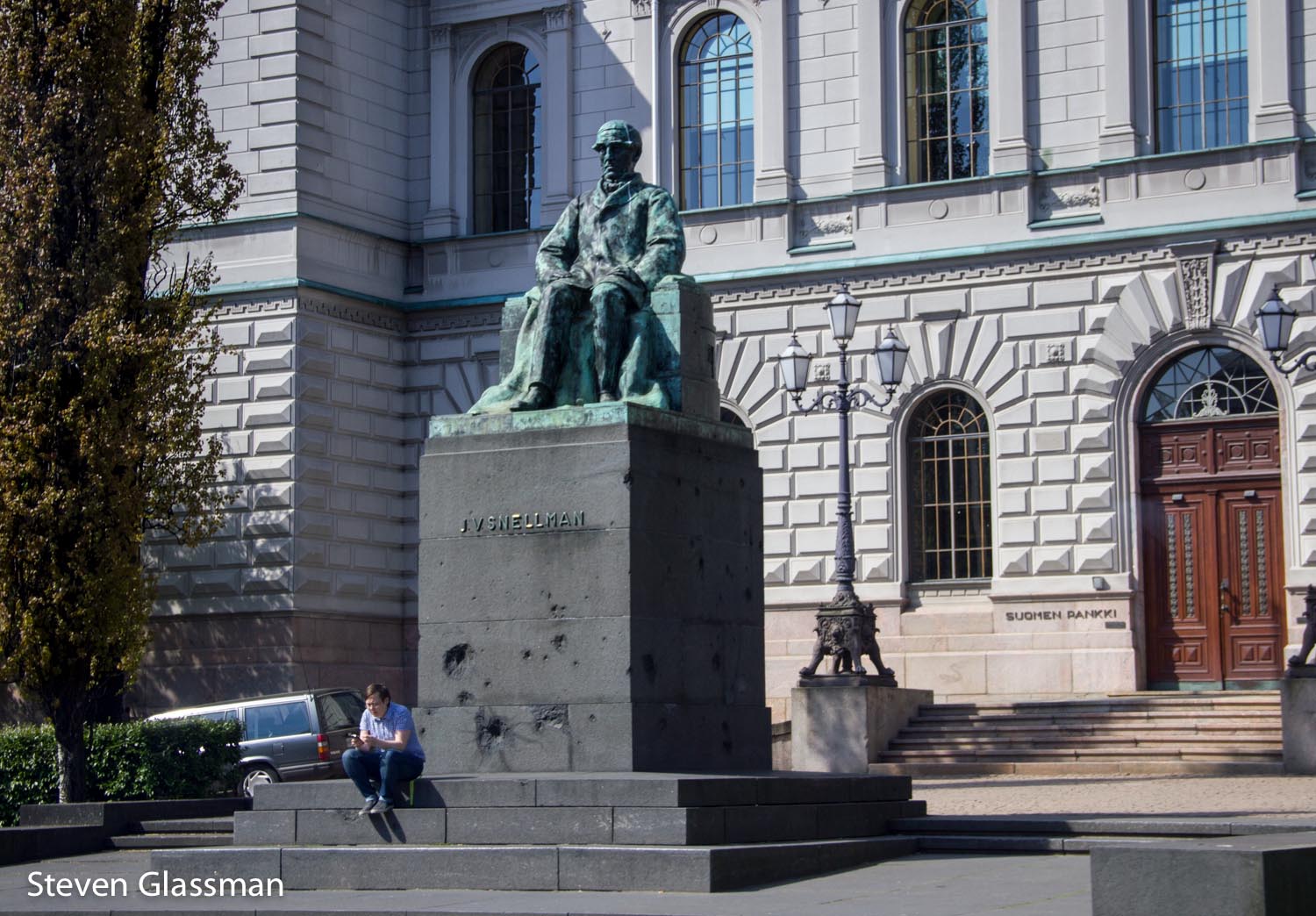
This sculpture still bears damage from being shot during World War 2.

helsinki-11

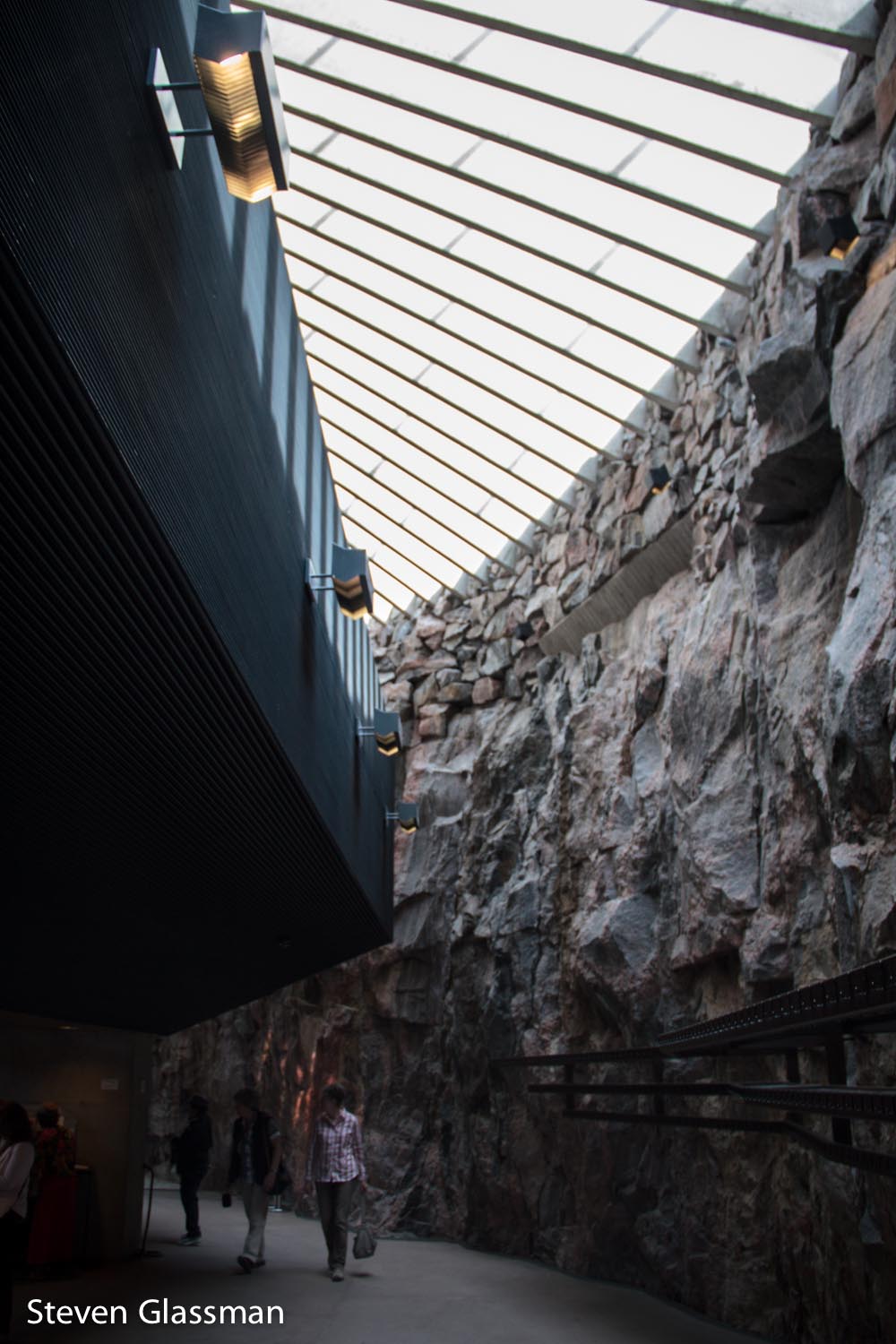
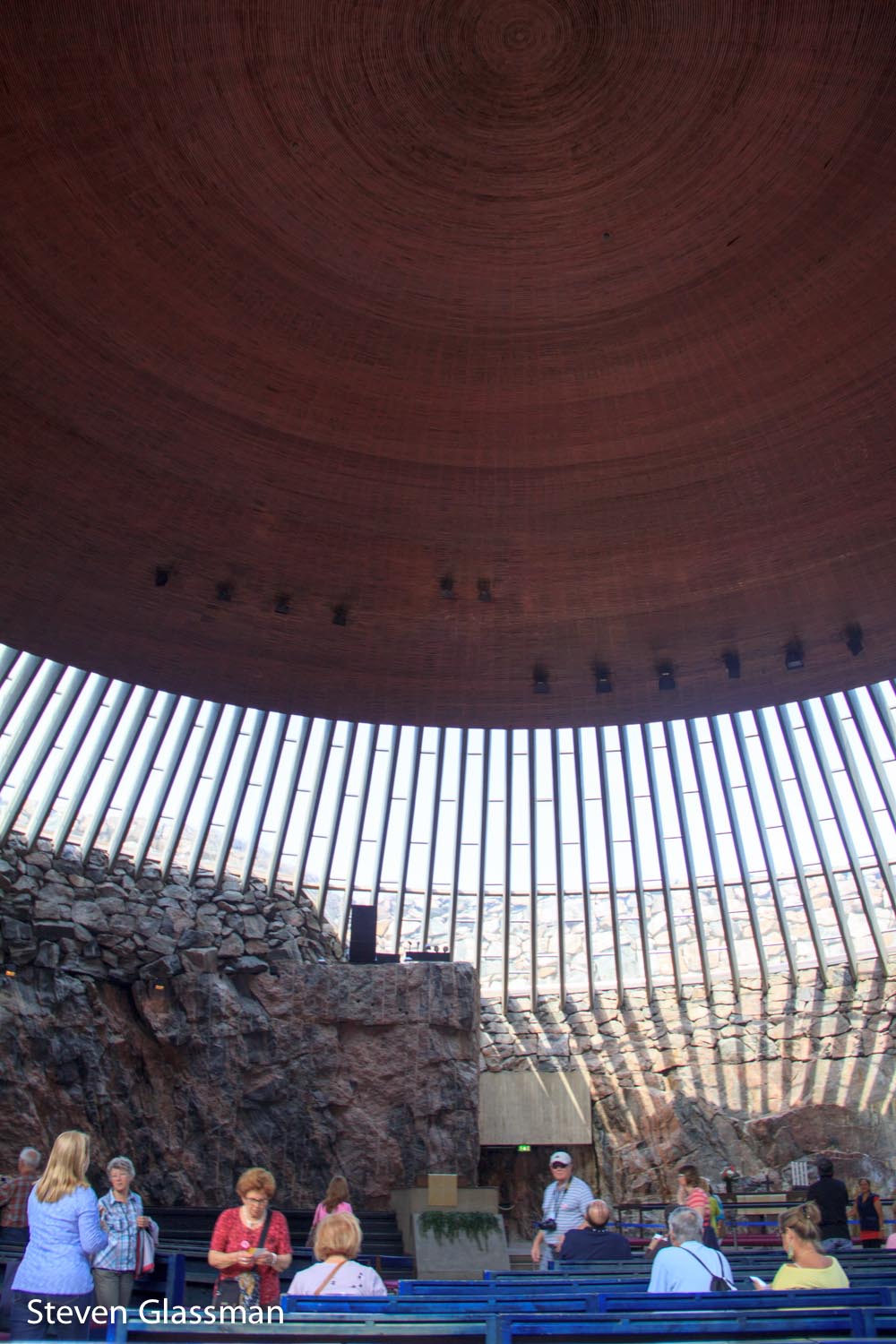
The Church in the Rock, or Temppeliaukion kirkko, was blasted out of granite bedrock.

helsinki-12

The outer walls still show exposed granite.

helsinki-13

The ceiling is entirely made of copper.

helsinki-14

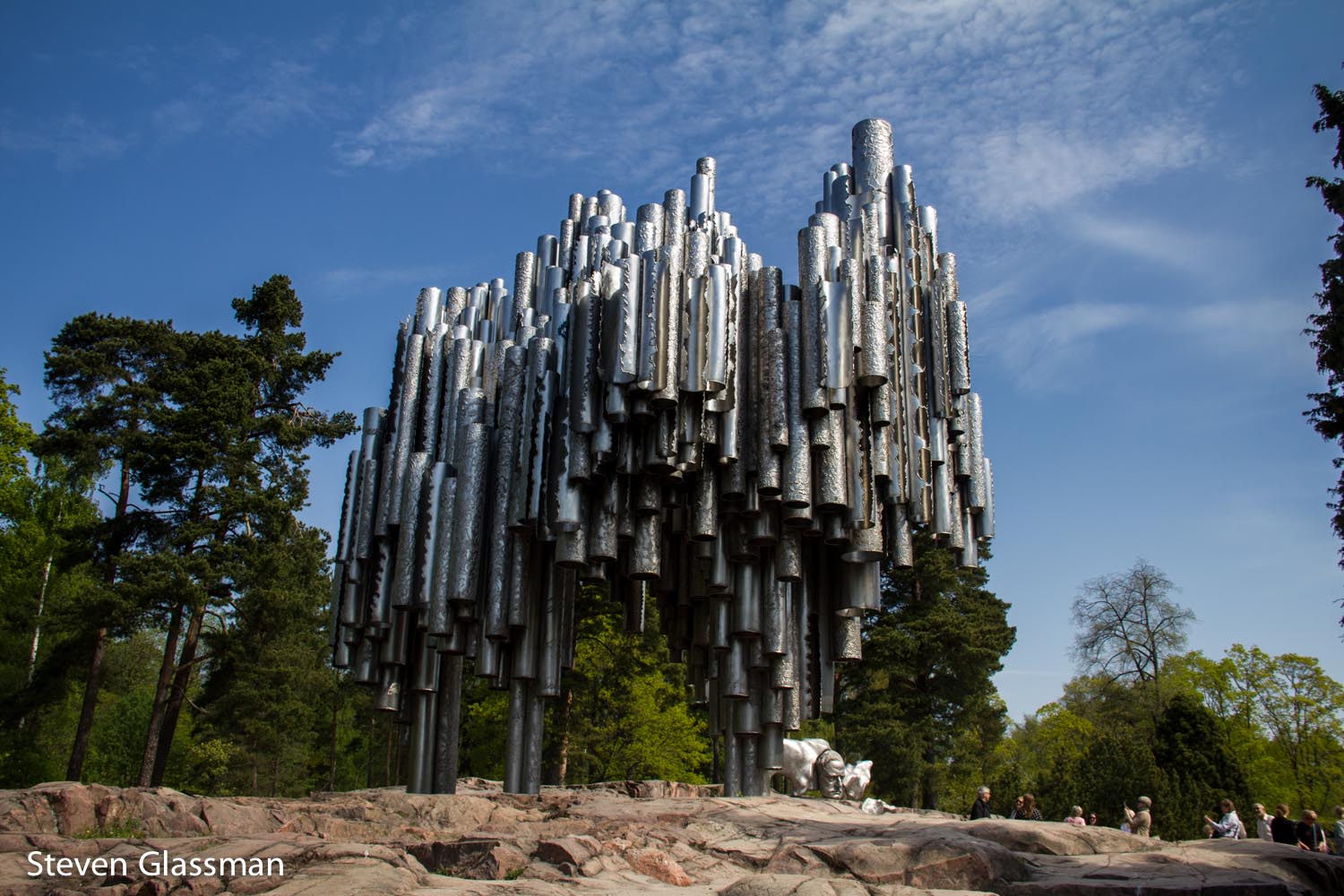
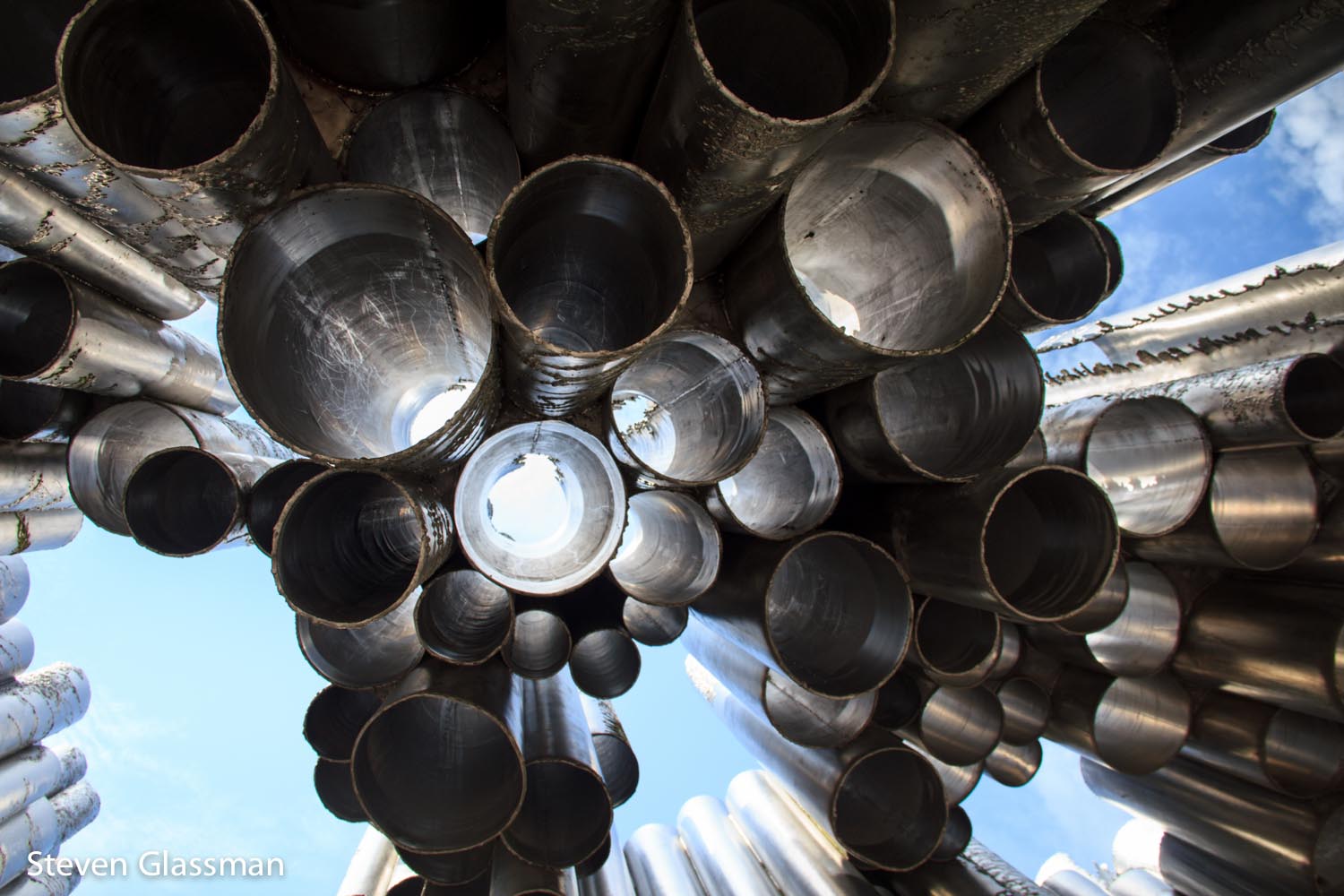
The Jean Sibelius Monument in Sibelius Park.  This was created in 1967 by Eila Hiltunen.  The intension was for visitors to interact with the design by creating sounds and echoes in the pipes.

helsinki-15

Artsy shot!

helsinki-16

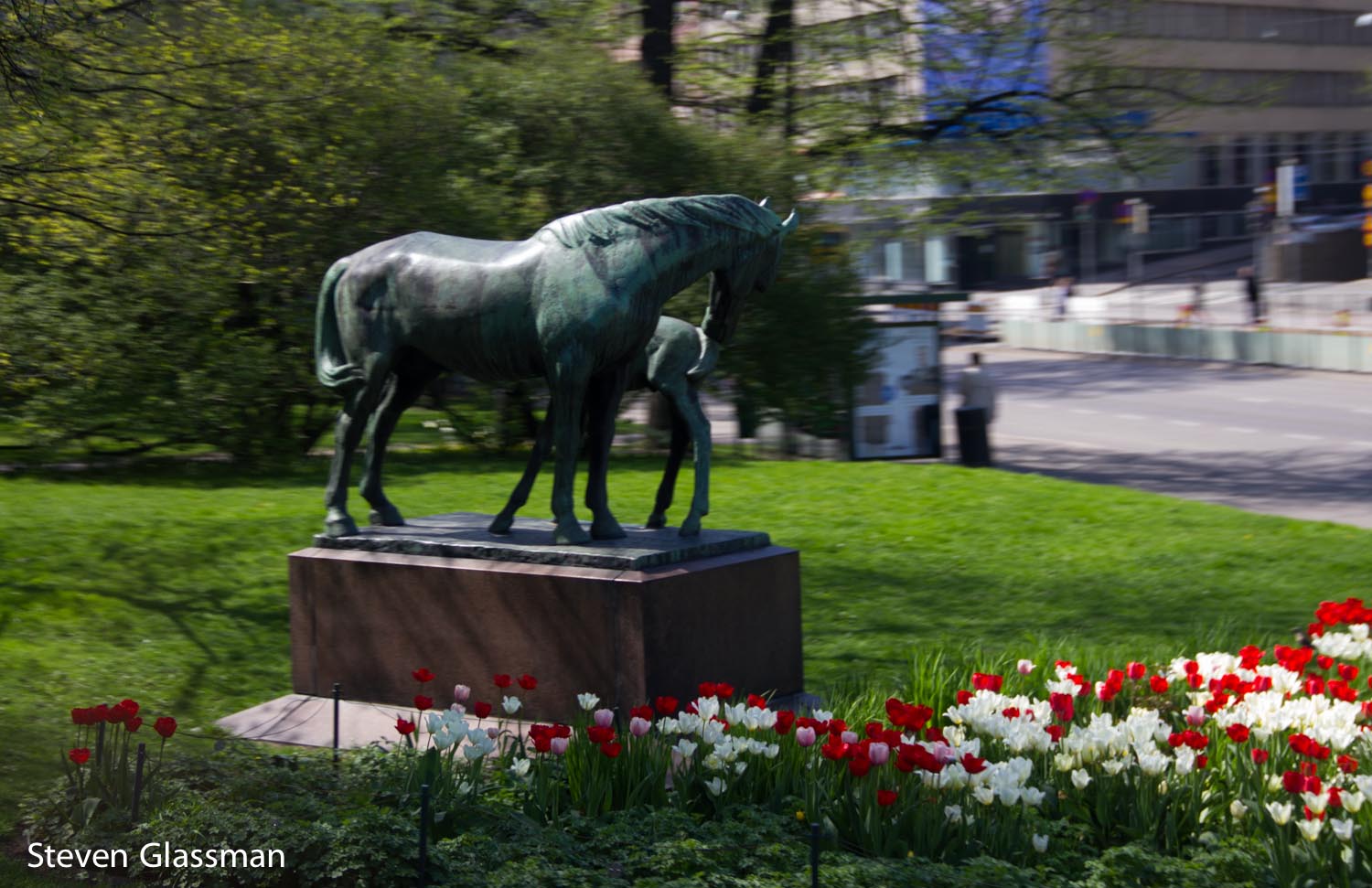
This statue is called “A Mother’s Love.”  I thought it was nice.

helsinki-17

Harborside Market, in Katajanokka.  Here you can buy crafts and local foods.

helsinki-18

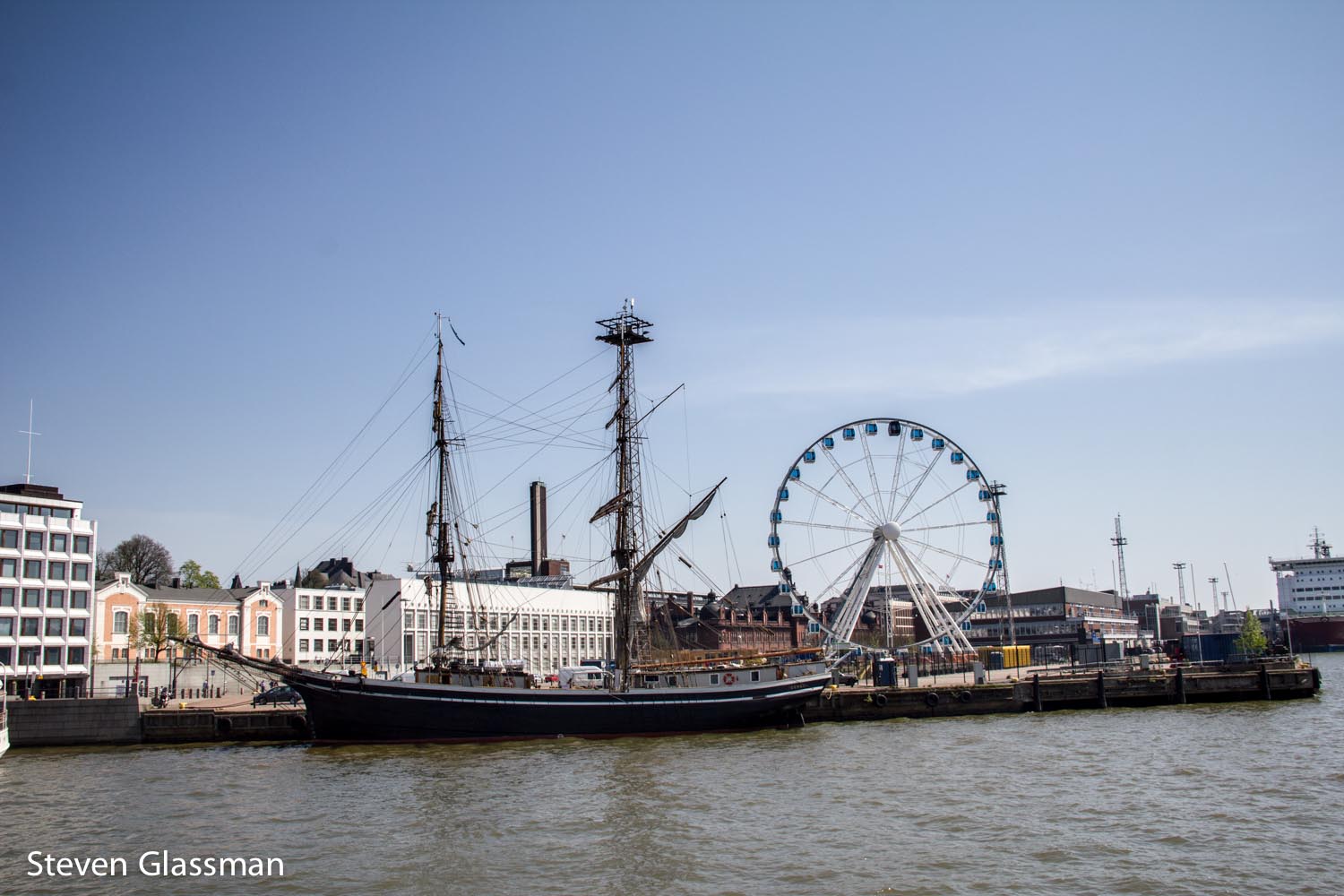
The Helsinki Pool and Ferris Wheel isn’t open yet-  It was slated for Spring of this year, but the 40 meter tall ferris wheel wasn’t open when I was there.

helsinki-19

Suomenlinna could easily be separated into a separate blog post, because it’s an on a different island.  Suomenlinna is a sea fortress built off the coast of Helsinki in the mid-1700s in order to defend the city. The fortress is well preserved and is a frequent attraction for tourists, but the island is also home to around 800 residents. There are tour boats that go to Suomenlinna, but you can just easily reach the island using the HSL ferry-  if you’ve already purchased a day-ticket good for all the buses and trams, you’re covered for the ferry to Sueomenlinna as well. I purchased a multi-day ticket at the airport, and it covered me for the entire trip.

helsinki-20

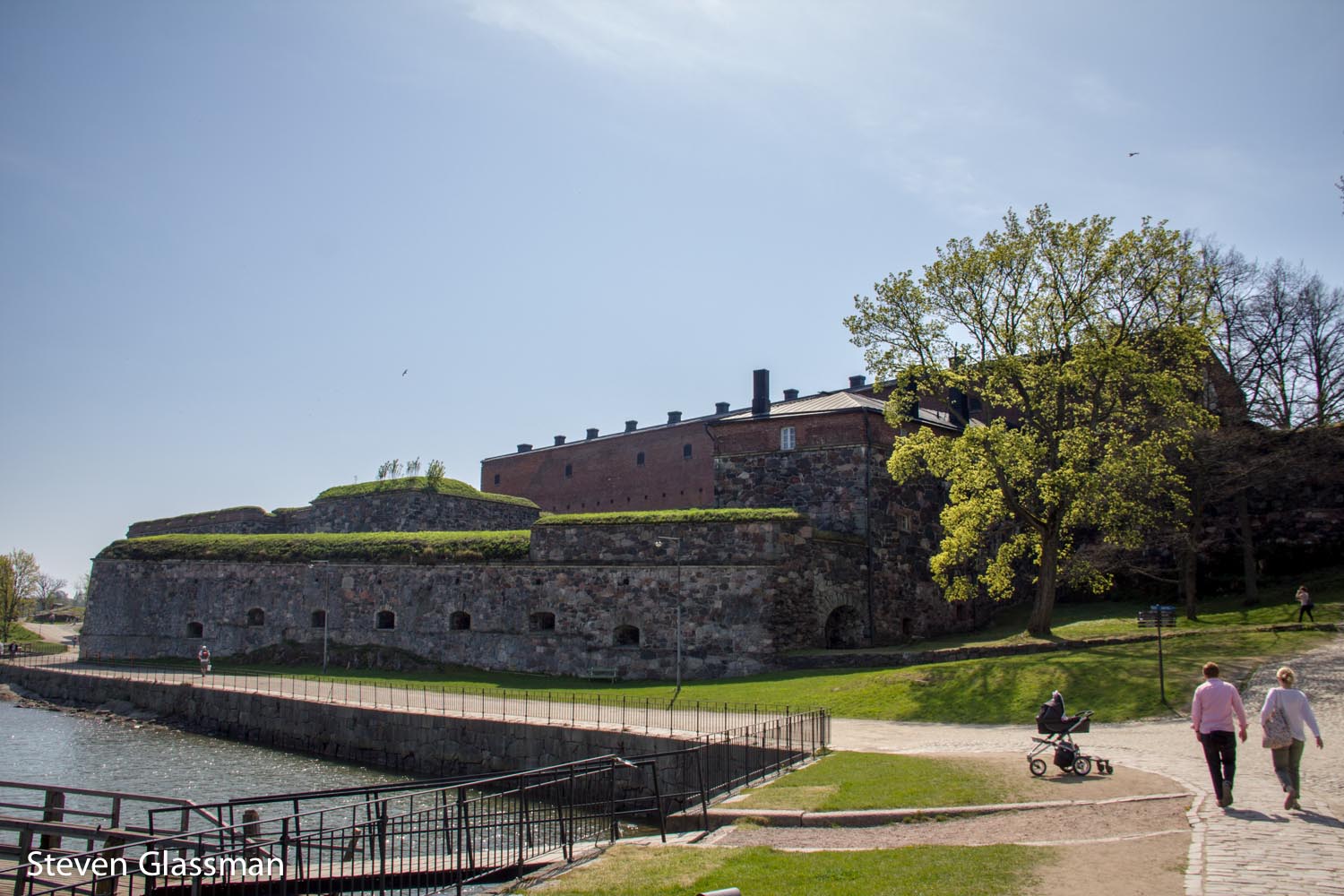
On the walk in the direction of the King’s Gate.

helsinki-21

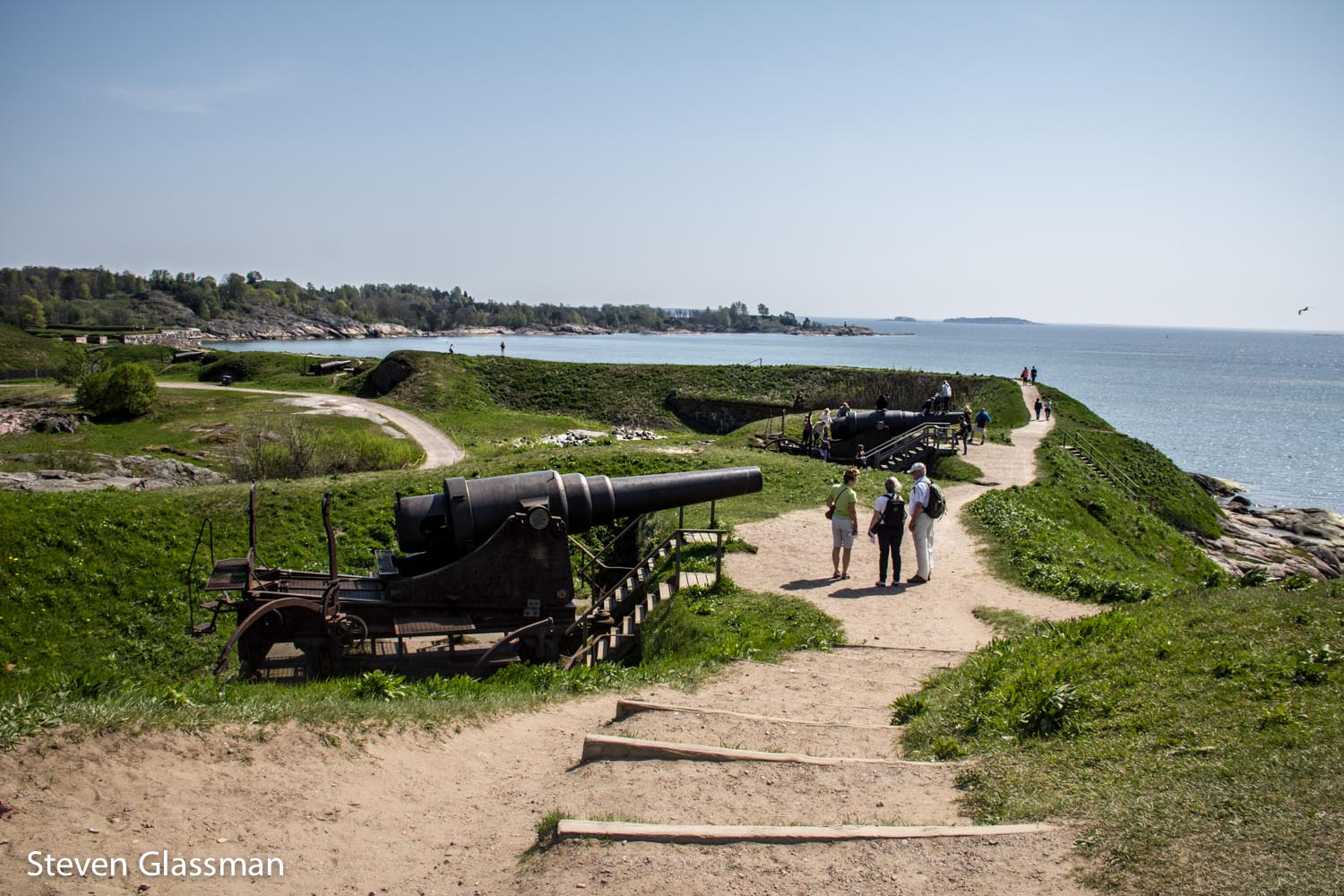
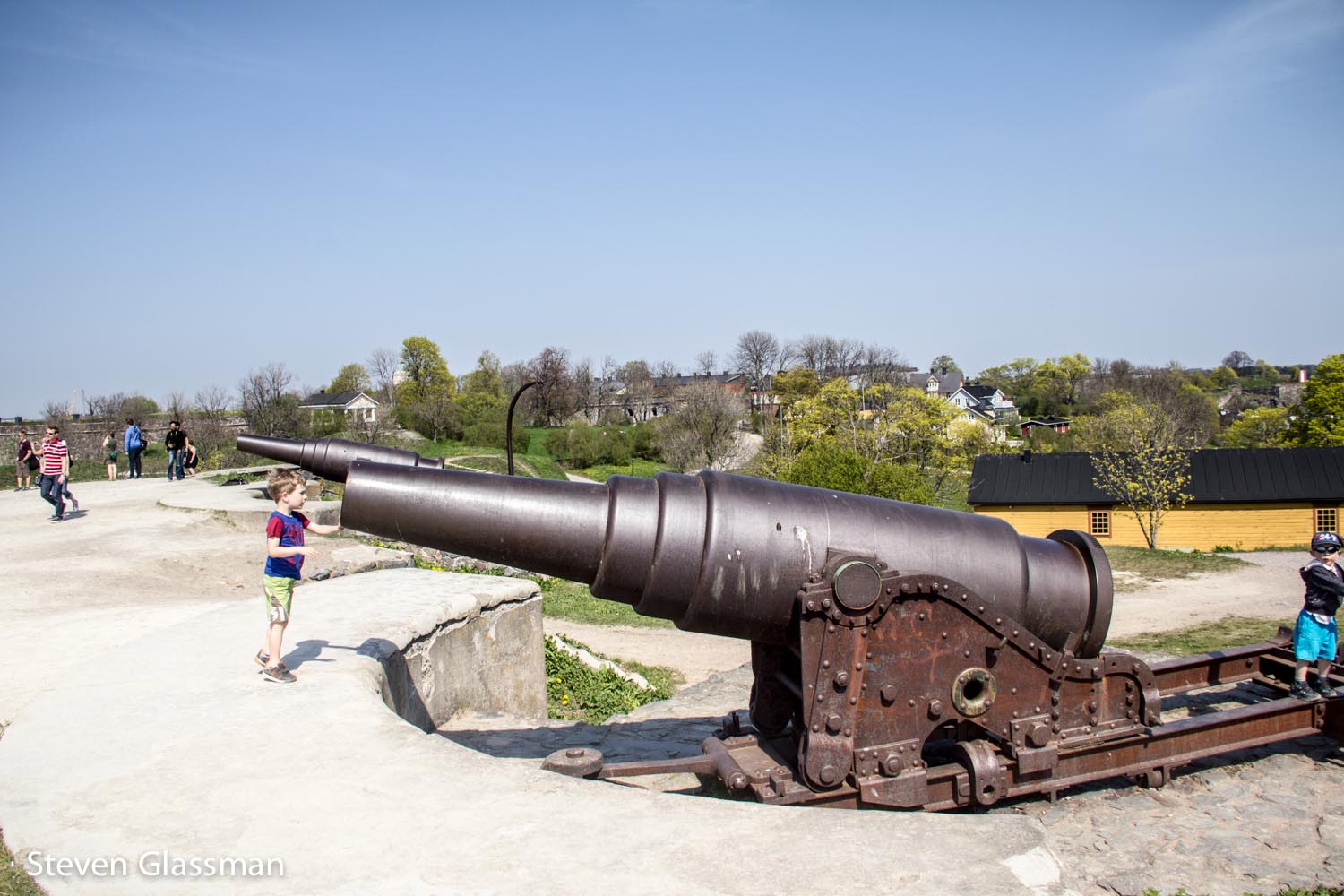
Kustaanmiekka is part of the original bastion fortress with guns constructed by the Russians at the end of the 19th century for coastal defense.

helsinki-22

Plus it looks a tiny bit like the Shire.

helsinki-23

I didn’t manage to see the Vesikko while I was there  Vesikko is a Finnish submarine built in the 1930 for World War 2.  It has been restored and set up as a museum.  Regrettably, I didn’t find the Vesikko, but I did spend quite a while on the defensive wall of the fortress.

helsinki-24

The original structures from 1748 still stand and can be explored.

helsinki-25

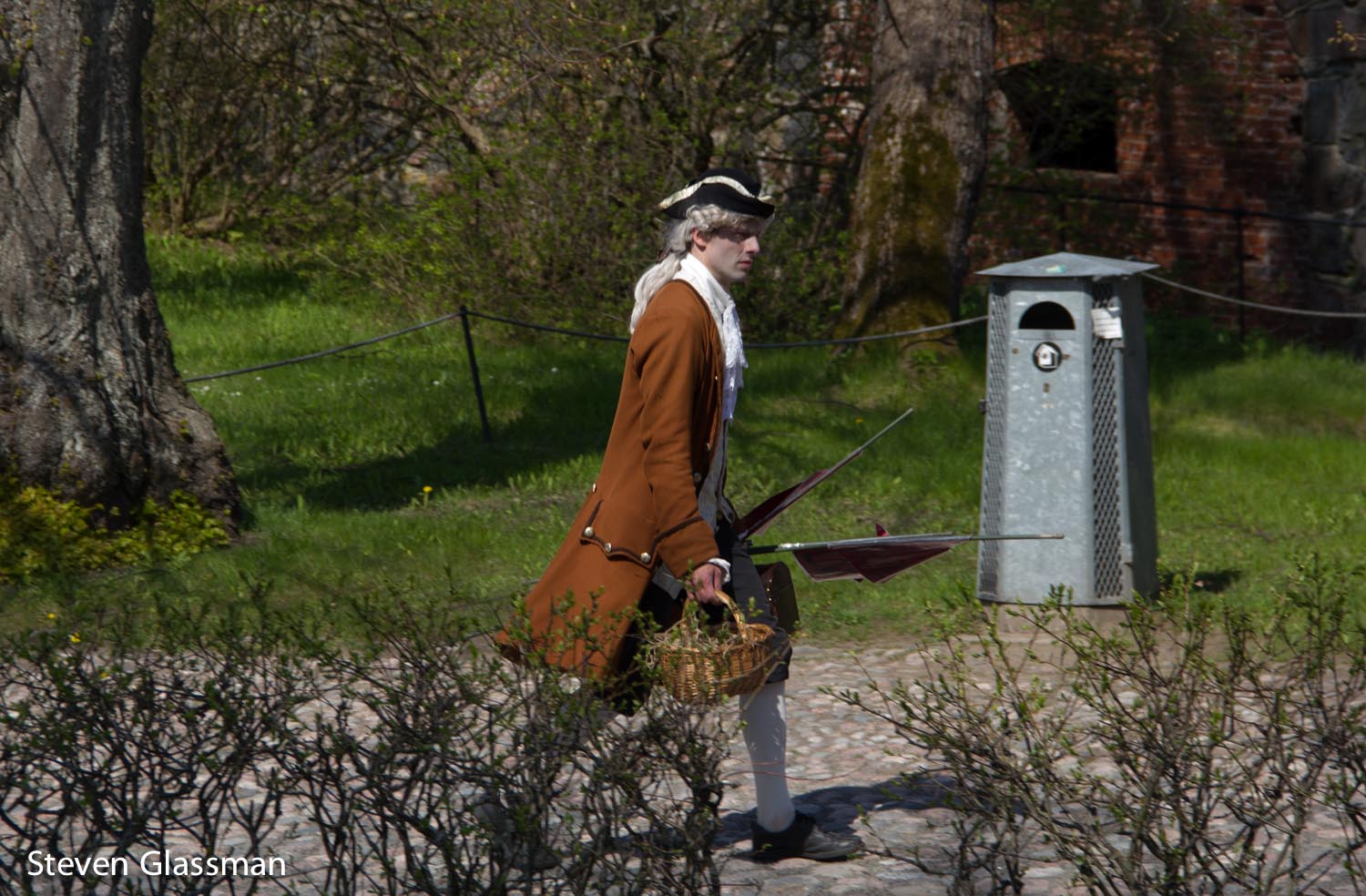
There are people in period costumes all over the Fortress museum area.

helsinki-26

The Suomenlinna Church was a Russian Orthodox garrison church in 1854.  In the early days of Finnish independence in the 1920s, it was converted into an Evangelical-Lutheran church.   The steeple still operates as a lighthouse for air and sea traffic.

helsinki-27ccc

Katajanokka as seen from the ferry back from Suomenlinna.

helsinki-28

Have you ever been to Helsinki or Suomenlinna?