Yokohama Ramen Museum

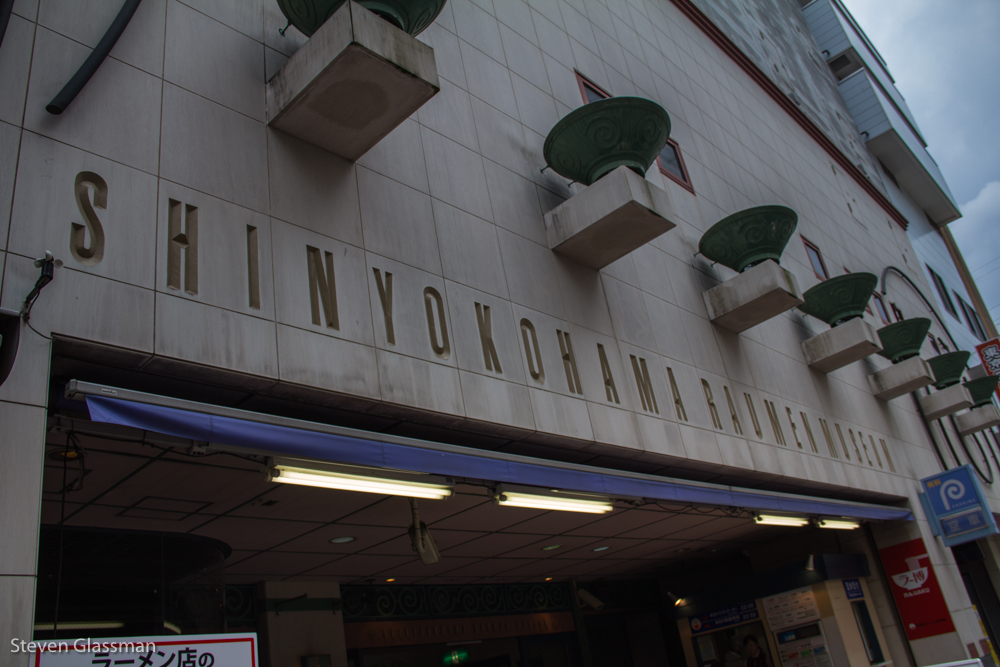
On my way back from Kamakura, I stopped in Yokohama to have a quick lunch at the Shin-Yokohama Ramen Museum!

yokohama-ramen-museum-1

The Ramen Museum is dedicated to the history of Ramen, the well known chinese noodle dish, and the ways that Ramen has changed in Japan.  The main difference, according to the museum, is in the soup stock used for the noodles.  In Japan, a Ramen noodle soup can contain up to forty different ingredients, a “treasure trove of umami.”

The highlight of the Ramen Museum for me was the basement level, where the creators have envisioned a “food-themed amusement park.”  In reality, what they have created is a replica of a Tokyo street from around 1958.  Within that street-scape are nine individual Ramen restaurants emulating popular Ramen shops from across Japan.

yokohama-ramen-museum-2

The attention to detail in the museum’s indoor street is incredible, and the smells of the various ramen shops are amazing.  Each visitor to the museum is expected to order at least one bowl of ramen, although they make smaller bowls for those who want to sample more than one type instead of having a single meal.

yokohama-ramen-museum-3

The ceiling of this space is painted to give the illusion of it being dusk, which lends it self to dinnertime.

yokohama-ramen-museum-4

As for the shops, it’s very much the same thing as Matsuya.  You start at a little ticket machine, choosing your dish and inserting coins for a food ticket.

yokohama-ramen-museum-5

Once you have your ticket, you can go inside.  Seating is limited, and the shops don’t accept reservations.  A pitcher of ice water and a cup of chopsticks are placed near every seat.

yokohama-ramen-museum-6

This was on the wall in front of me.  I thought it was fascinating.

yokohama-ramen-museum-7

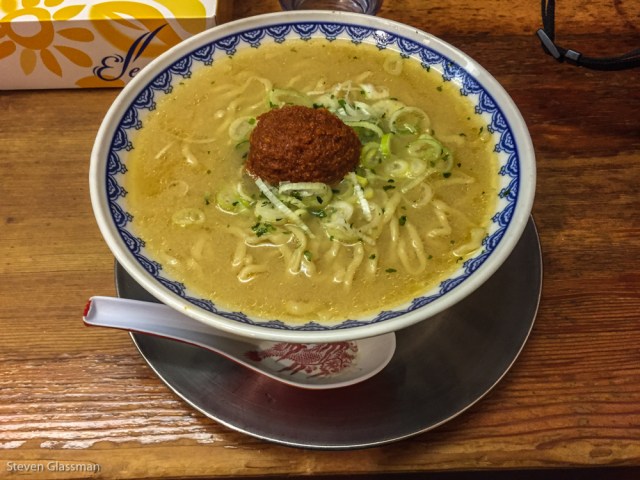
This was my lunch.   The dish I chose was vegetarian, although that was not an intentional choice.  I simply chose something that looked delicious.  The ball in the center may look like a meat-ball, but it’s actually a clump of Miso.

yokohama-ramen-museum-8

Do you like Ramen noodles?  Have you ever tried a Japanese variety?

The Great Buddha of Kamakura

When I went to Hong Kong in 2008, I went to see a very large Buddha on a hill-side.  Tian-Tan is 112 feet tall and it sits atop a mountain near a monastery.  It’s enormous and amazing, and I was very excited to see a piece of antiquity.  The problem, I later found out, is that Hong Kong’s big Buddha isn’t all that old.  In fact, it was built between 1990 and 1993, in roughly the same amount of time as it took me to finally pass algebra during my first go at college.

The Great Buddha of Kamakura has no such problems with its ancestry.  The Amida Buddha located at the Kōtoku-in Temple dates from around 1252, and it has weathered storms and earthquakes.  With this in mind, I set about during my last full weekend in Japan to go see a big Buddha.

Kamakura is about 30 miles outside of Tokyo, so it didn’t take long to get there.  Once in Kamakura, a local tram can be used to get closer to Kōtoku-in.

kamakura-1

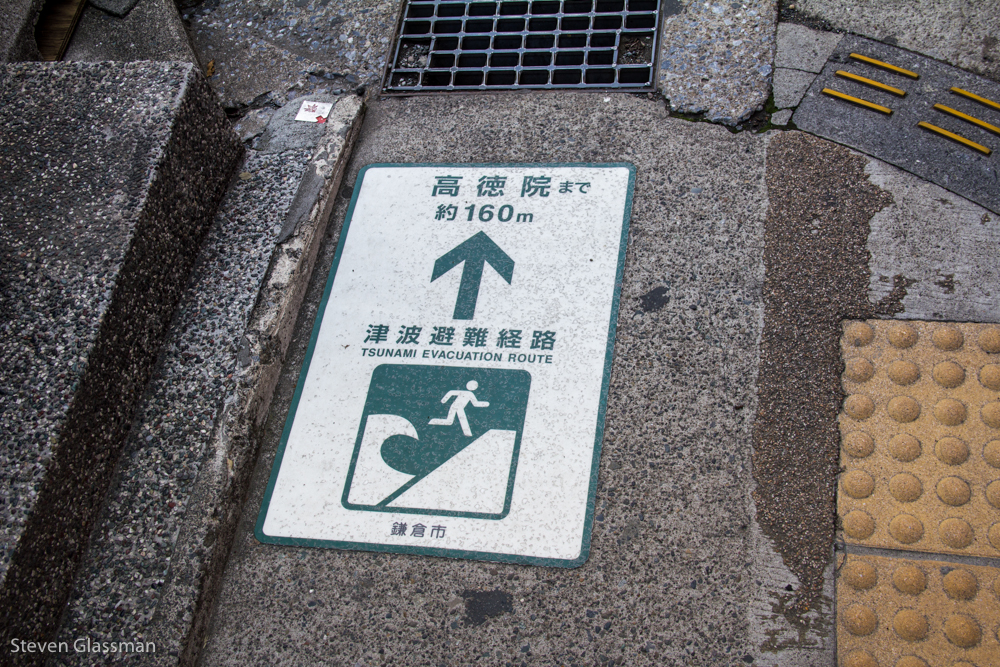
Once you reach the appropriate stop, it’s easy to find the Temple.  Just follow the crowds!  There’s also helpful signage in case of natural disasters.

kamakura-2

Sometimes, you see people in traditional garb around temples.

kamakura-3

Once you reach the Temple, you’re supposed to cleanse yourself with these little spoon-like things.

kamakura-4

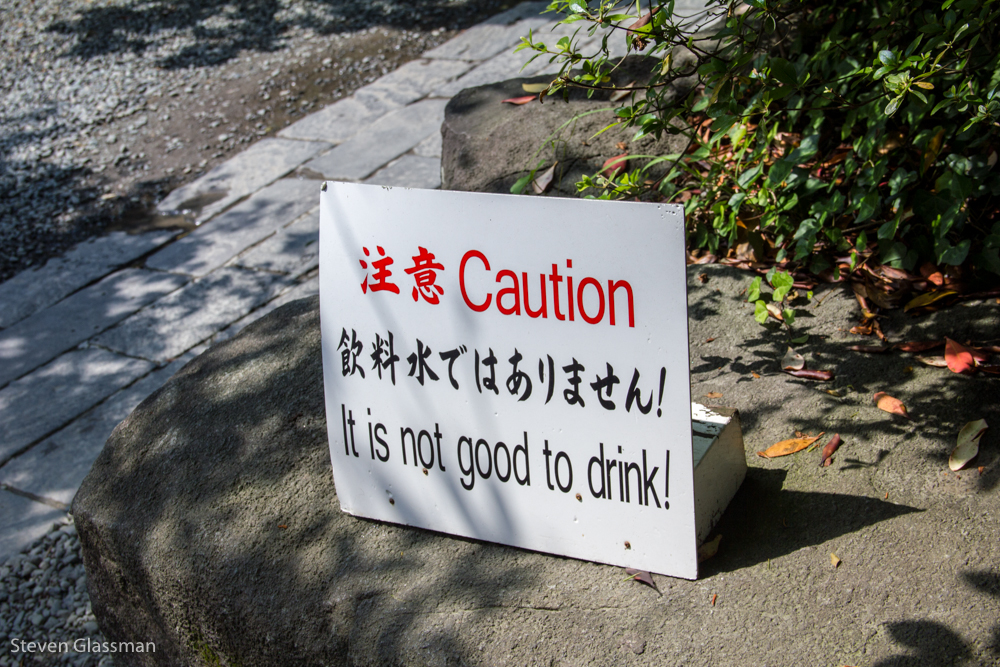
…but don’t use the water to cleanse your mouth!

kamakura-5

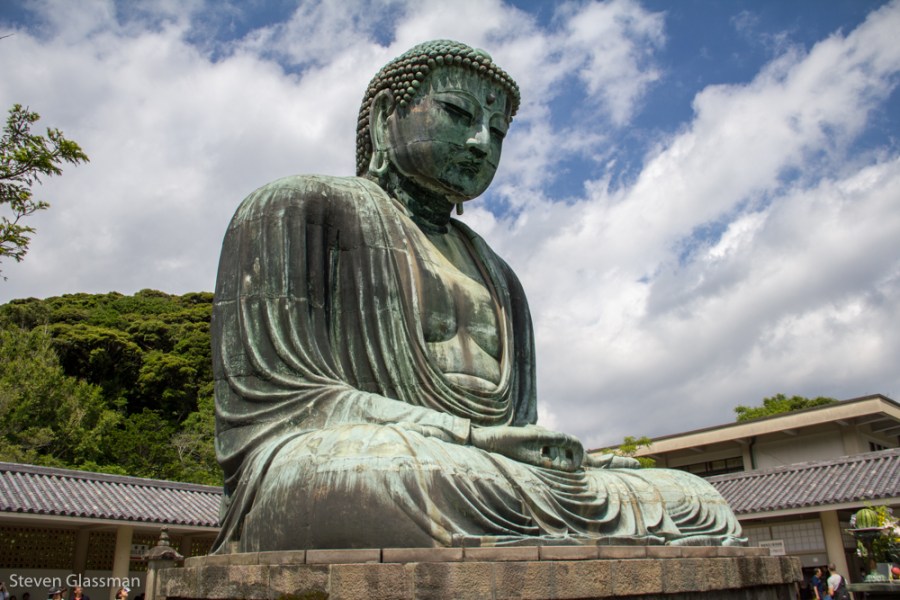
A short walk past the washing station, the Amida Buddha comes into view.

kamakura-6

Made entirely of bronze, this Buddha was once gilded.  There are still traces of gold leaf on the head, near the ears.

kamakura-7

Clocking in at just under 44 feet tall, this Buddha is only about a third the size of Tian-Tan, but it’s much more impressive because of how long it has been here.

kamakura-8

Here’s an obligatory selfie to prove I was actually there.  Honestly, sometimes I don’t think I would believe all the places I’ve been if I wasn’t actually in some of the photographs.

kamakura-9

Behind the Buddha, there are giant bronze “leaves” etched with what I assume are prayers.

kamakura-11

The detail is incredible.  Remember, this is all metalwork.

kamakura-12

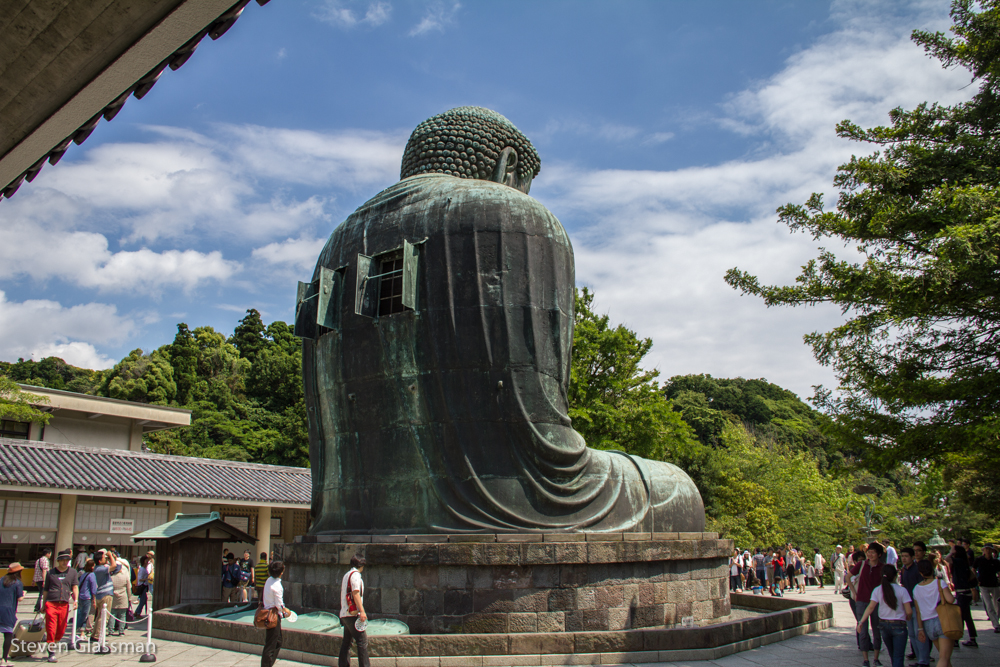
When I first walked around to the rear of the statue, I didn’t know what the flaps on the Buddha’s back were all about.  I thought it kind of looked like exhaust ports on a giant robot.  Buddha Gundam!

kamakura-10

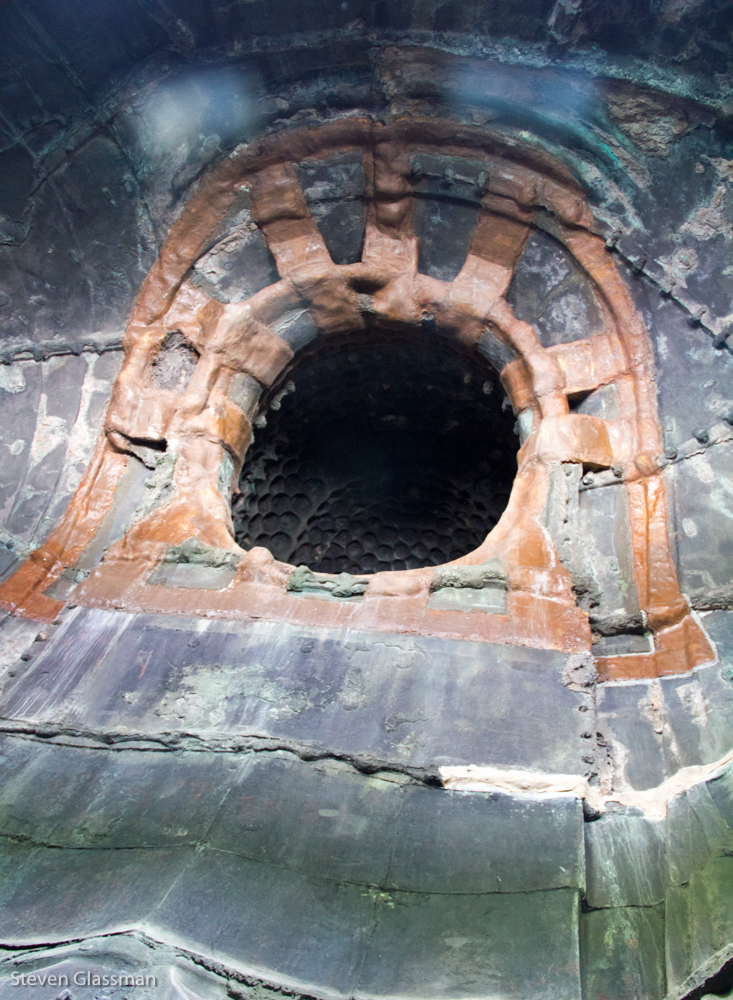
It turns out that the flaps are windows, because you can go inside the Buddha. This is the view looking up into Buddha’s neck-hole from inside.

kamakura-14

The Great Kanto Earthquake of 1923 destroyed the base of the statue, and it was repaired in 1925.  Further repairs were done in 1960-1961, when the neck was strengthened and measures were taken to protect the Buddha from earthquakes.  This sign inside the Buddha talks about construction techniques used to make the statue, as well as some detail about how it was reinforced.

kamakura-13

On my walk back to the train from the Buddha, I stopped for a little snack at one of the many shops along the way.

kamakura-15

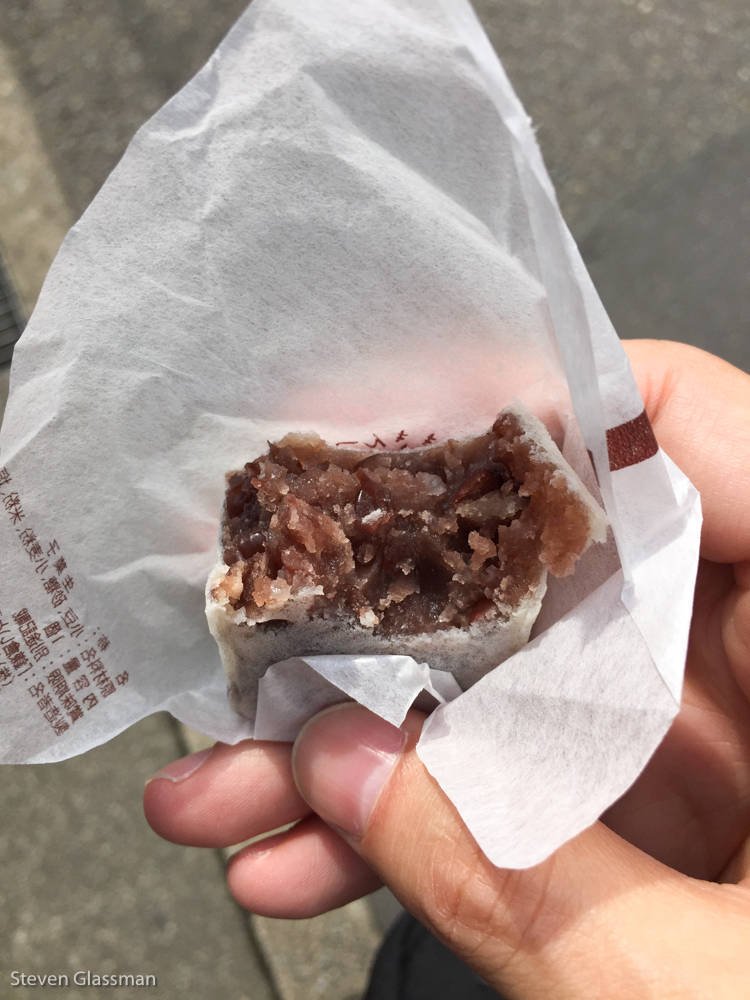
This is a red bean paste treat.   I love red bean paste in dessert foods.  The only place I see bean paste in foods here in the US is at Chinese or Japanese buffets.  This is a travesty of the highest order.

kamakura-16

What’s the largest religious icon you’ve ever seen?

Meiji-Jingu and Yoyogi Park

In the vicinity of Shibuya, near the Harajuku station, there is a Shinto shrine called Meiji-Jingu, or the Meiji Shrine.  Meiji-Jingu is dedicated to Emperor Meiji and his wife, Empress Shōken.  This is not a tomb; the emperor’s actual grave site is in Kyoto.

The shrine was built in 1915, destroyed in World War II, and was rebuilt in 1958.  The entryway to the shrine is easily spotted by this enormous Torii gate.

meiji-jingu-064

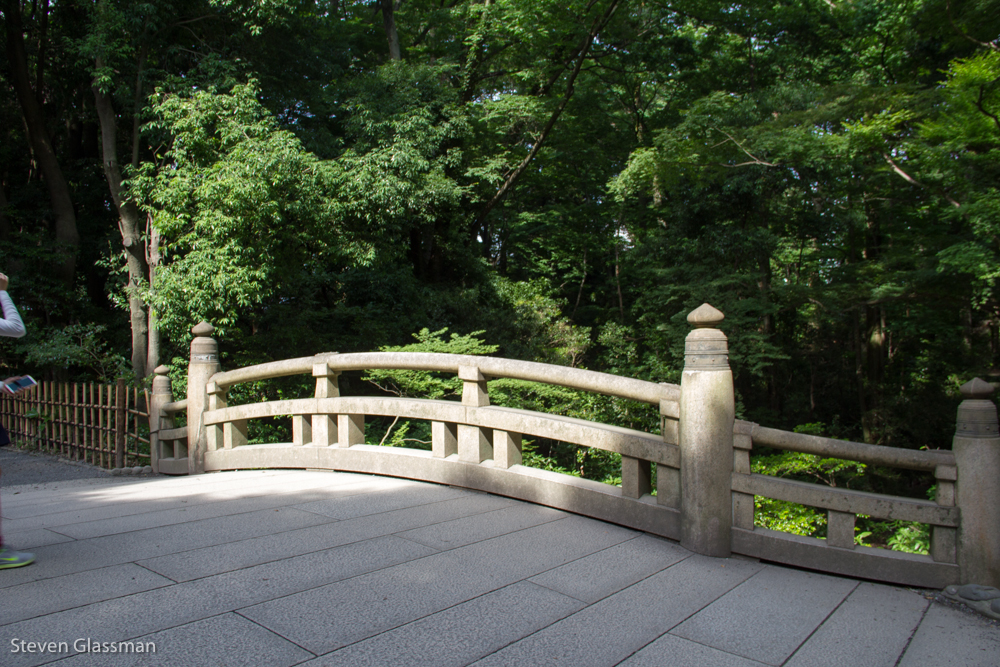
Meiji-Jingu is located in part of a 170 acre forest filled with evergreen trees from all over Japan.  The walk to the main part of the shrine covers long gravel paths and small picturesque bridges.

meiji-jingu-065

Barrels of sake are dedicated to the shrine.

meiji-jingu-066

Another torii stands at the entrance to the inner shrine.

meiji-jingu-067

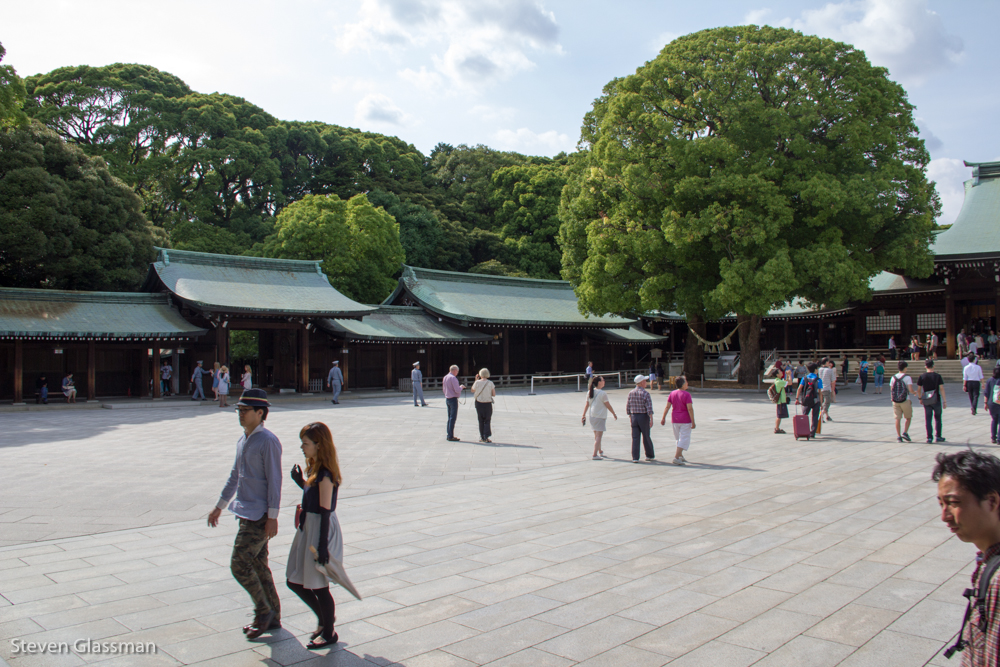
The shrine consists of several buildings ringing a very large courtyard.

meiji-jingu-068

This is a very popular attraction for tourists, so there are lots of people visiting at any given time.

meiji-jingu-069

I was trying to take pictures facing every direction so that you could easily see the differences between the buildings.  It’s nearly impossible to get a photo there without some random guy in your shot.  Get out of there, Mr. Red Shirt!

meiji-jingu-070

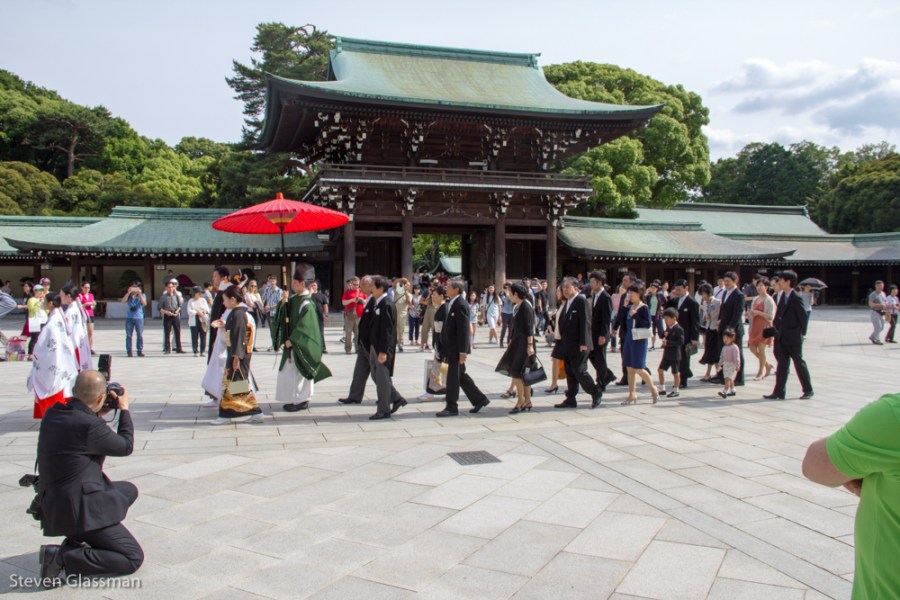
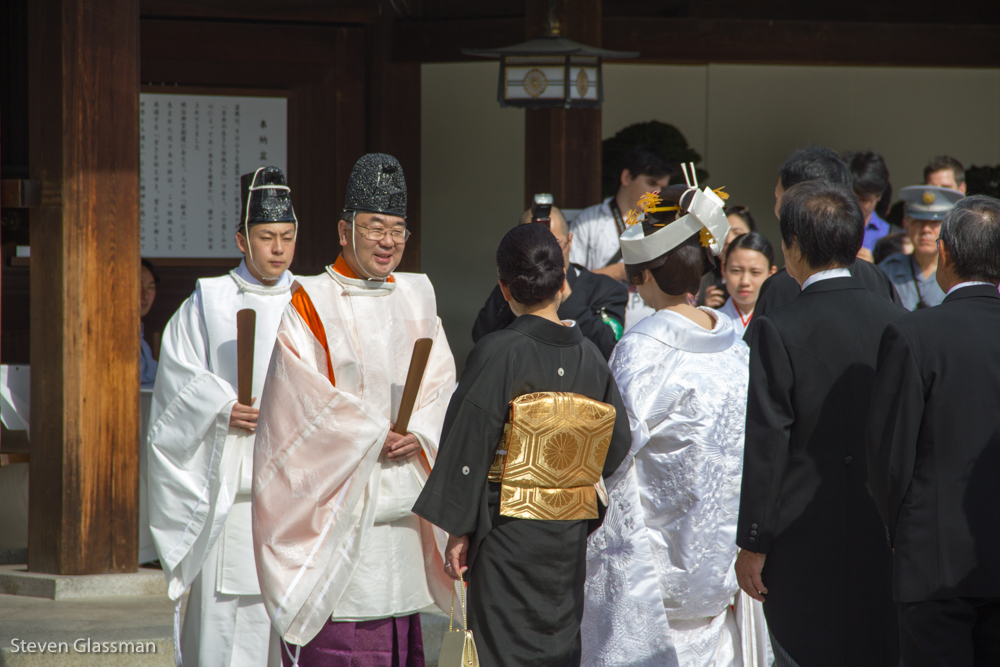
While I was in the courtyard, a wedding procession crossed the courtyard.

meiji-jingu-071

The processional line contained priests, maidens, and celebrants.  Most importantly, there was one guy who had the job of protecting the bridal couple from the elements with a giant cocktail drink umbrella.

meiji-jingu-072

Before entering the shrine, the priests did a little blessing of some sort, bowing to the bride and groom.  I quite like their hats.  It’s nice to know that the Vatican doesn’t have a monopoly on amusing religious head-wear.

meiji-jingu-073

After a few minutes, the happy couple went into the shrine and I walked back to the first Torii at the entrance to the shrine.  A short walk away from the main gate is one entrance to Yoyogi Park, a 134 acre green space in the middle of Tokyo.

History time! The first successful powered aircraft flight in Japan took place in December of 1910.  That location became an Armyparade ground.  In 1945, it housed the “Washington Heights” military barracks for U.S. officers during the Allied occupation of Japan after World War II.   In 1964, the baracks area became an athlete’s village for the Olympics.  Finally, in 1967, most of that area was turned into Yoyogi Park.

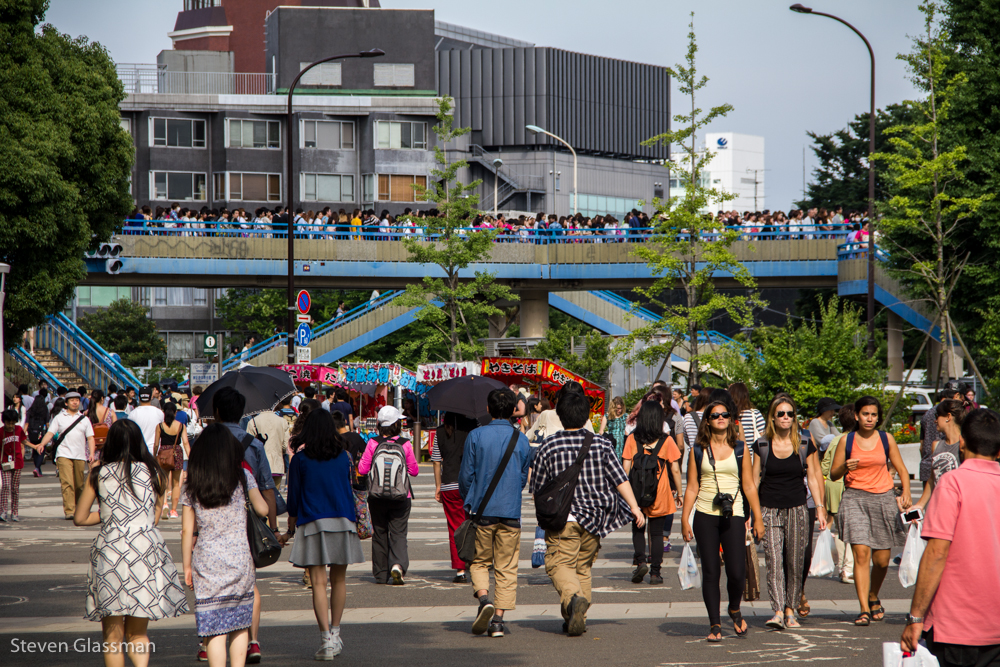
As you can see, it’s a very popular place to be on Sunday afternoons.

yoyogi-park-1

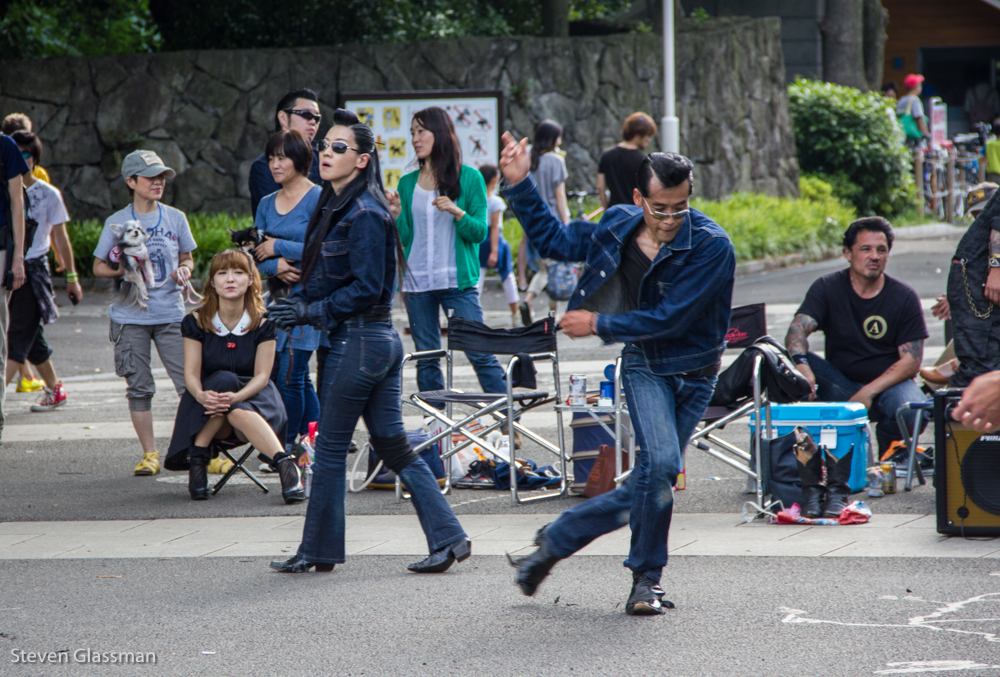
A favorite of tourists visiting Yoyogi for the first time are the Rockabilly dance groups that gather in the park.   Here’s four pictures of the dancers, submitted without further comment.

yoyogi-park-2

yoyogi-park-3 yoyogi-park-4 yoyogi-park-5

Yoyogi is a favored place of lots of different people doing lots of different activities.  There’s jugglers…

yoyogi-park-6

…and mimes…

yoyogi-park-7

…there are boy band dance troupes…

yoyogi-park-8

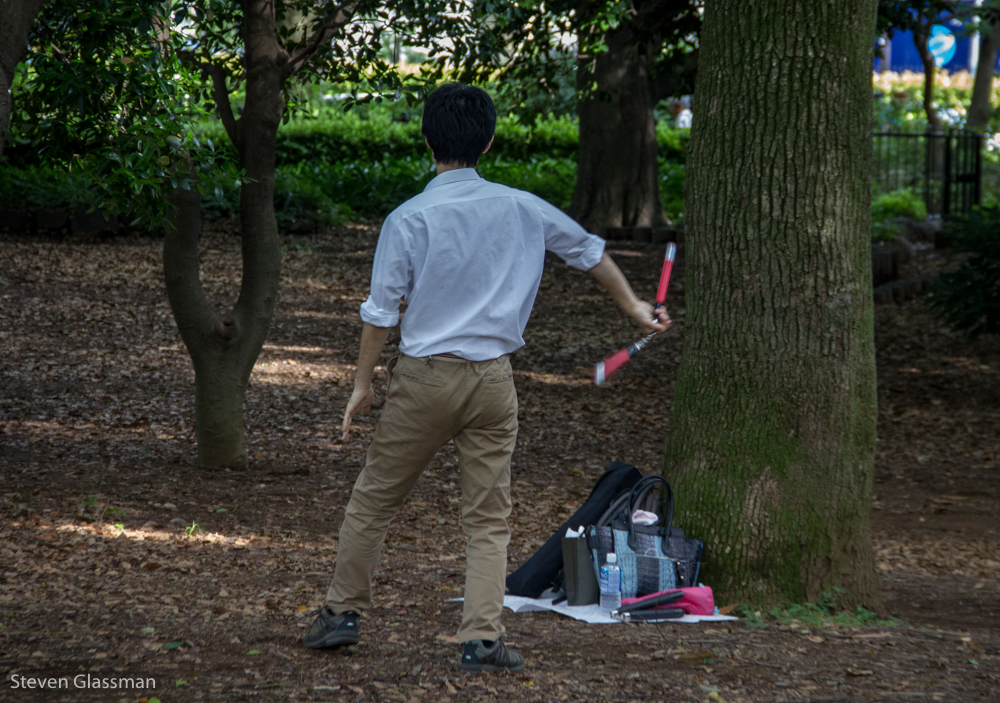
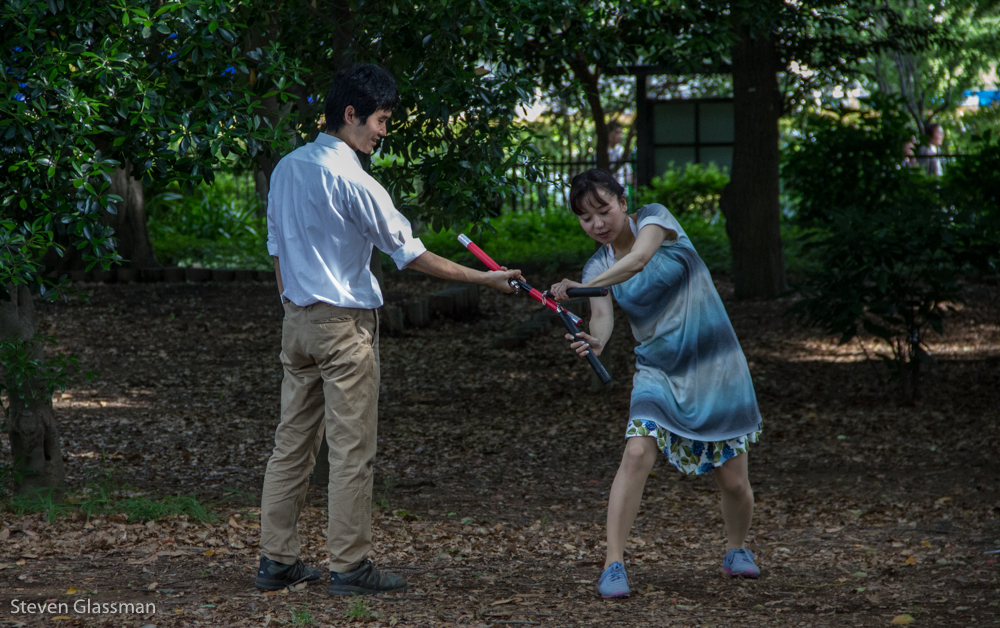
…and nunchaku users…

yoyogi-park-9

…teaching other nunchaku users.

yoyogi-park-10

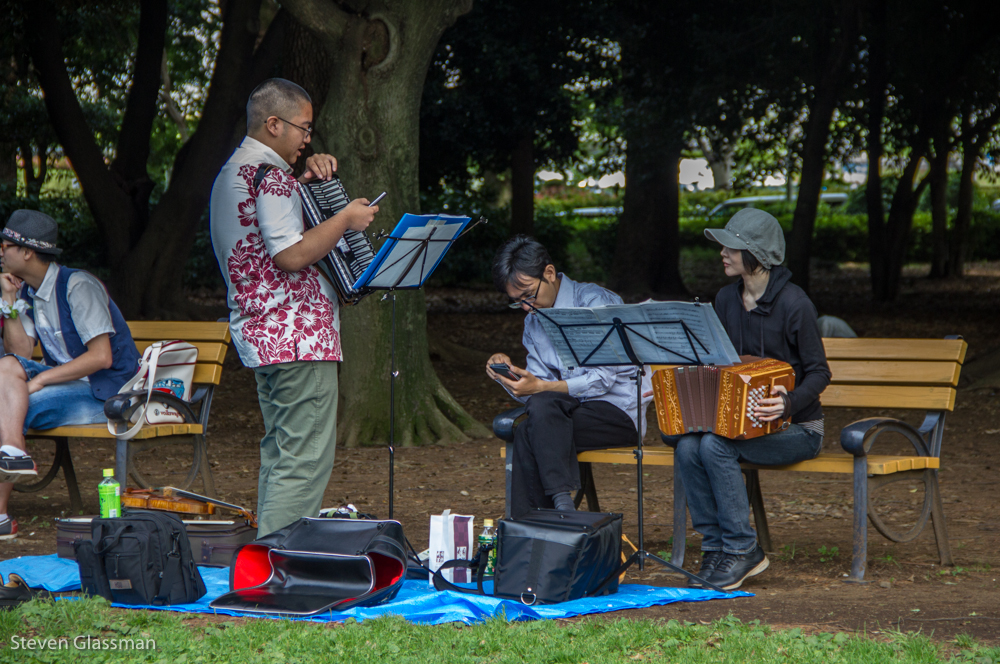
There are all-accordion jam bands…

yoyogi-park-11

…and cosplay types with many-colored hair.

yoyogi-park-12

On the ride over, I saw two teens in full vampire regalia, with special contact lenses and fangs.  Regrettably, I did not get a picture.

What’s the most interesting thing you’ve seen in Yoyogi Park?

Magic City Comic Con, Ten Months Later

It’s good to take a break from the Japan posts every so often. With only five posts left from that trip, this seems like a good time to detour.

In January of this year, when I’d been back to the US for just over three months, Amelie and I went to the Magic City Comic Con in Miami. I took a bunch of photos while we were there, and I prepped them for posting in the blog. What happened next was that I got caught up in moving into my first new apartment in the U.S. since 2003, and I completely and utterly forgot to post the Magic City photos.

With that said, here they are, and only ten months late.  For the Flash, ten months is an eternity.

mccc-1

Miami Beach party people.  Klingons.  Same difference.

mccc-2

I feel like Rocky Horror is too easy for a Con, but kudos to this chick for finding that jacket.

mccc-3

As with any costume from video games, there’s always a good chance I just won’t get the reference.  And if I never see another Harley Quinn at a con, it’ll be too soon.  Seriously, Harley Quinn and Deadpool are the new Crow – there are far, far, far too many of them at any given event.

mccc-4

This was one of the highlights of the day-  a “Peanut Butter Jelly Time” dance party with Waldo, Ash, Spidey, and the dancing banana.

mccc-5

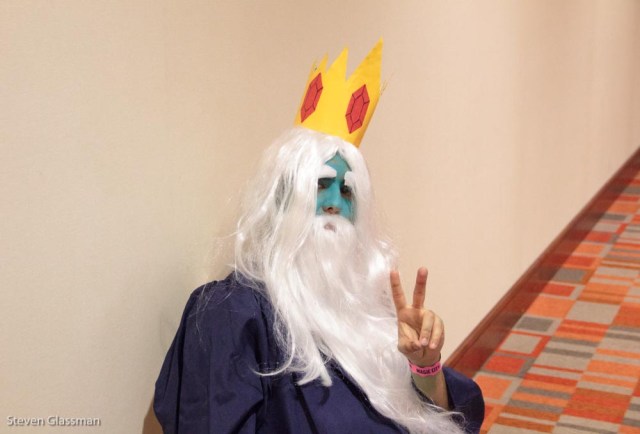
Adventure Time’s Ice King needed a break from the South Florida heat.

mccc-6

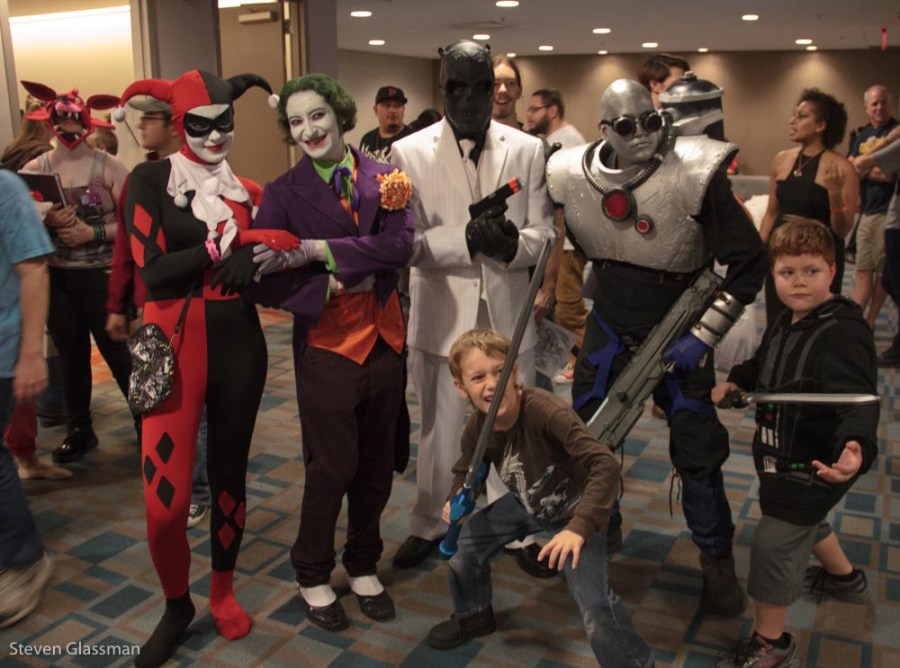
What did I say earlier about all the Harley Quinns? It’s a little more palatable when she’s with a Joker, Black Mask, and Doctor Freeze.

mccc-7

Amelie, a TARDIS, and a Doctor.  I think that’s a Tenth Doctor, but it’s possible she wasn’t going for a specific incarnation.  The vaguely steam-punky TARDIS outfit was pretty nifty also.

mccc-8

There were lots of video-game inspired costumes at this con.

mccc-9

…and a larger than average contingent of DC Comics characters, like this excellent Huntress cosplay.  The Batman Begins Batsuit utility belt painted purple is a nice touch.

mccc-10

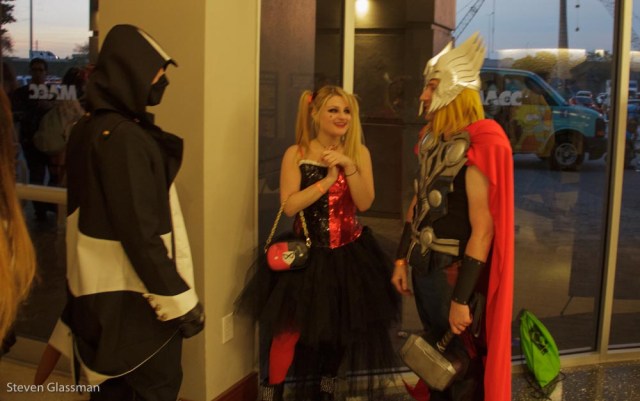
A pretty decent Thor, with YAH.  (Yet Another Harley.)

mccc-11

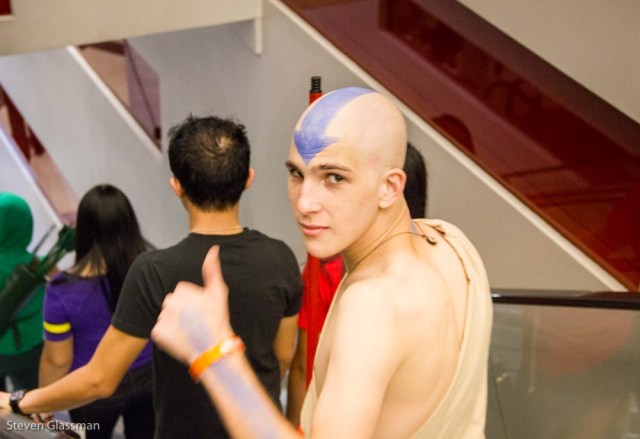
I caught this Airbender on the escalator.

mccc-12

More DC Comics folks-  a Poison Ivy, a Robin, YAH, and a Riddler.

mccc-13

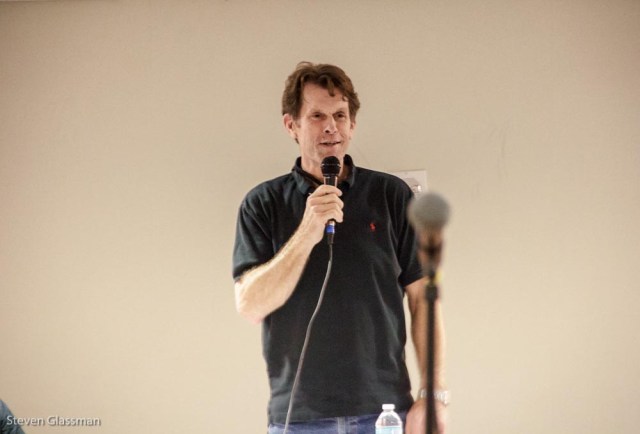
Here’s the reason for all the DC Comics Batman characters-  Kevin Conroy, the voice of the animated Batman since 1992’s “The Animated Series,” was doing a panel.

mccc-15

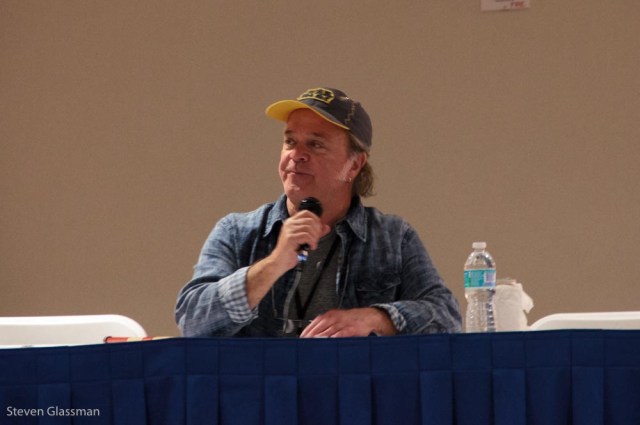
Also attending this con was Jim Cumming, the voice of Darkwing Duck, Winnie The Pooh, Tigger, and many more.

mccc-14

…and back to the costumes.  I’m not sure what’s going on with Kitty-Thor, but it’s a very fun outfit. mccc-16

As we were headed out at the end of the day, we walked right past a very well done Spawn.

mccc-17

Which do you prefer, Coke, Pepsi, or some other third brand?

Because Japan 2: Engrish, Safety, and Sweetness

Since I took nearly 2,500 photos during my five weeks in Japan, this is another post full of stuff that doesn’t really fit into my entries about specific places or events.

As a longstanding fan of Engrish, I thoroughly enjoyed a chance to see some wonderfully funny missed translations while I was in Japan.  Tokyo did not disappoint.

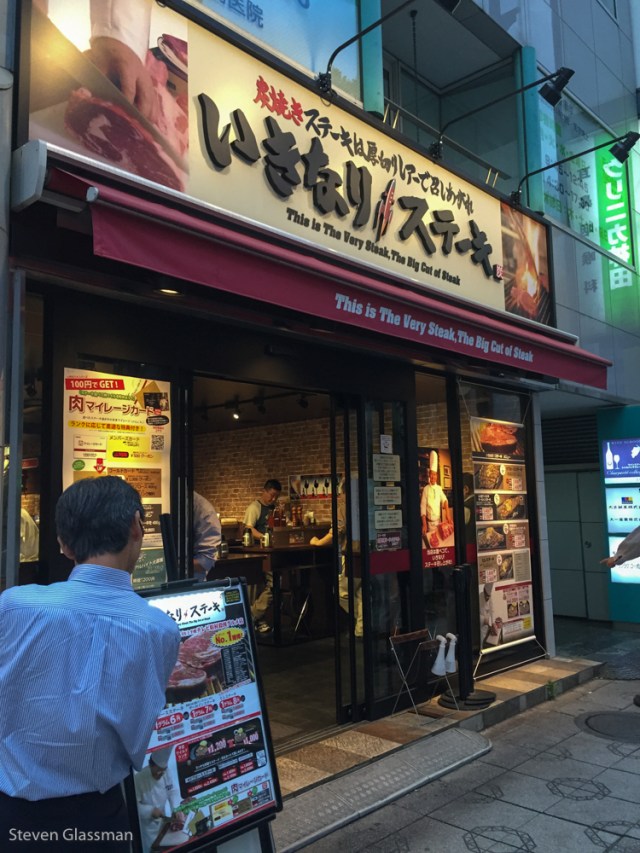
This is the very steak!  I regret that I did not have a chance to eat The Very Steak.
engrish-01

I’m not sure if Meat Potato truly counts as Engrish, but it’s still a funny food descriptor.
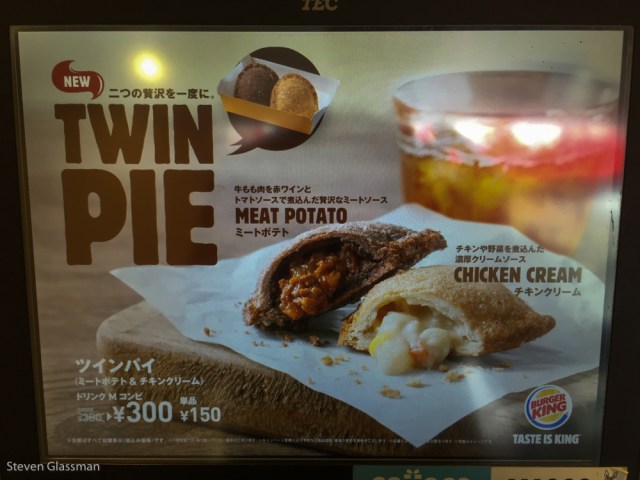
engrish-02

This restaurant in Otemachi was absolutely delicious, but their sign was chock full of poetic Engrish.
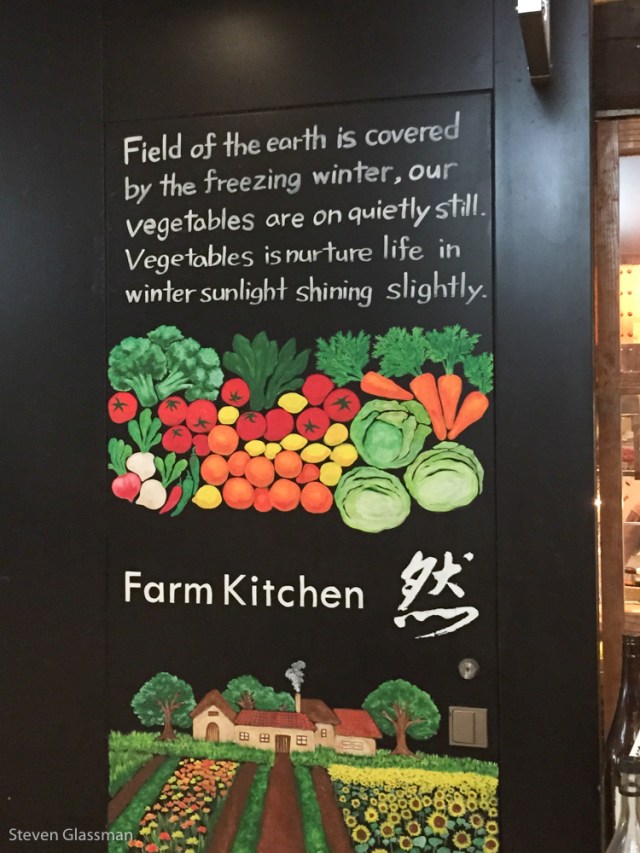
engrish-03

I’ve learned since my departure that Drug-on Taco is actually a fairly popular chain of taco trucks.  Depending on the drug, I can see why that might be the case.
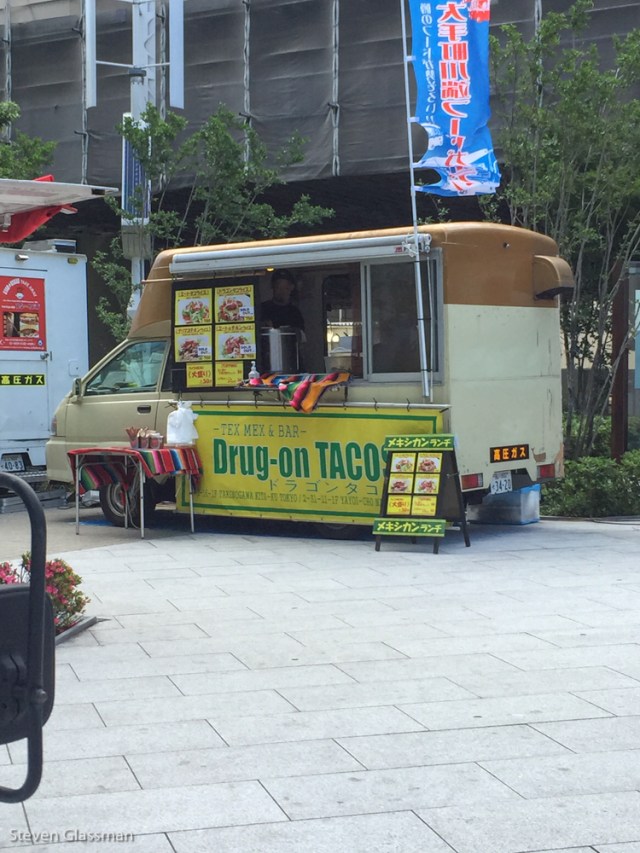
engrish-186

That wraps up my Engrish examples.  Next up in this post is the magic that is the Japanese parking garage.     As you might imagine, space is at a premium in a city as crowded as Tokyo.  It’s no surprise then that the parking solutions here are fascinating and creative.

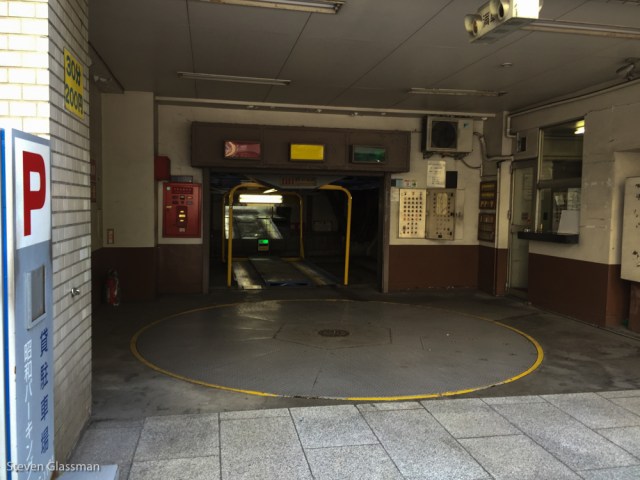
The first time I walked past one of these bays, I didn’t quite understand what I was looking at.
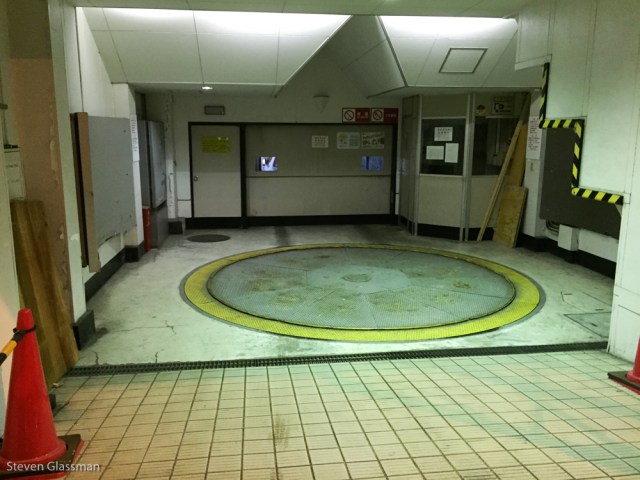
parking-189

What I learned later was that cars are returned to this front space in reverse, and the large disk is a giant turntable to rotate the cars so that they are facing forward for departure.
parking-51

Japan’s focus on safety is omnipresent, so it makes sense that they would not want drivers having to back into city traffic.   I would never get tired of the car turntable, because it reminds me of the way the Batcave always kept the Batmobile facing forward in the movies.  parking-50

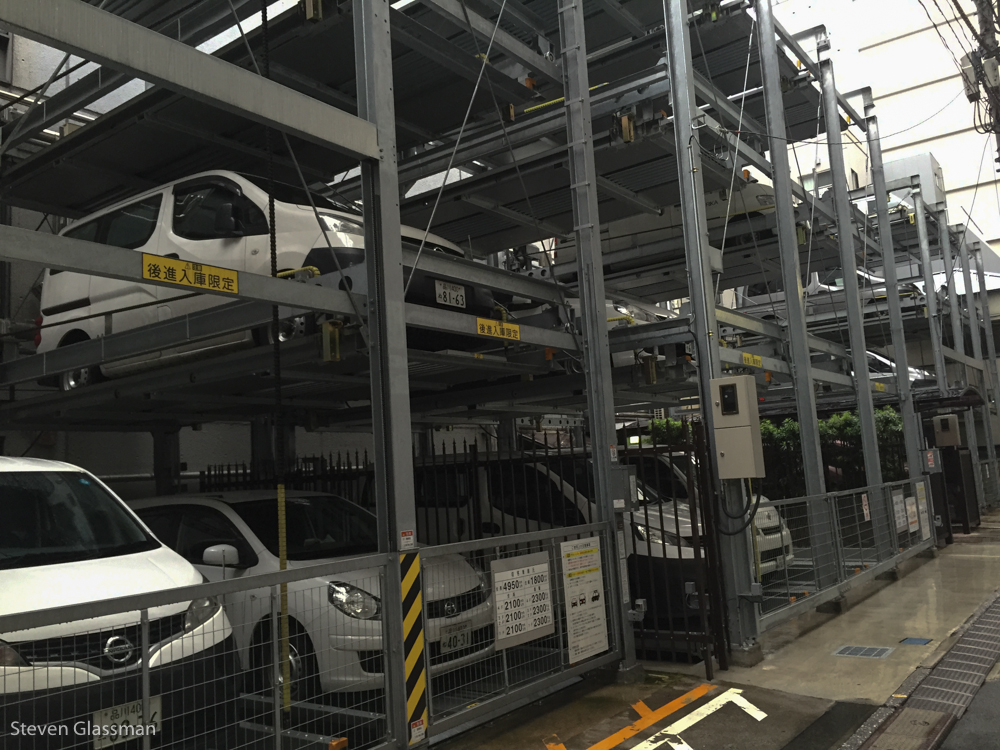
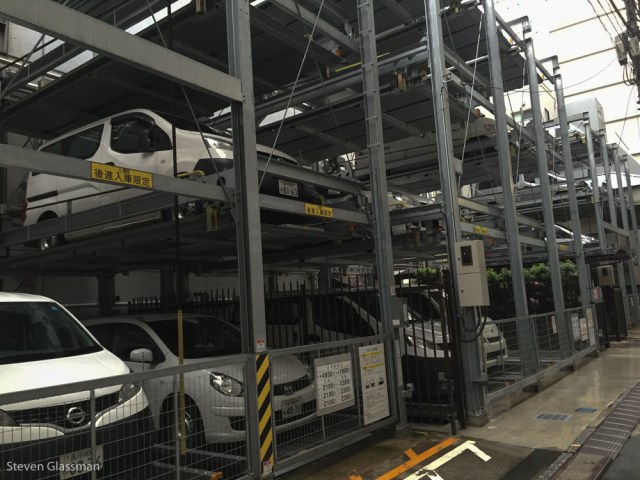
This appears to be the back of the bay shown above.  The cars are kept in vertical racks, and I believe the car retrieval is automated.  I’m not entirely clear on that, however, because I never saw this in operation.
 

parking-190

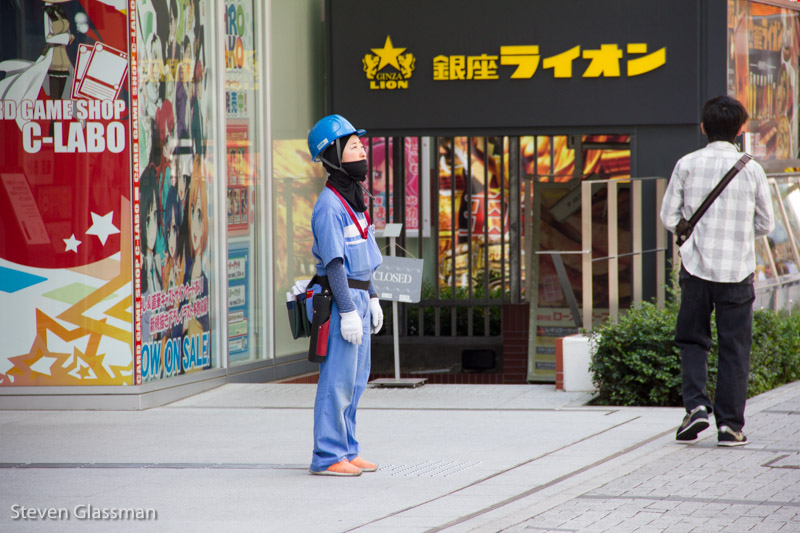
I keep mentioning how Japan is very safety-conscious.  My first exposure to this was the very first time that I went to Akihabara with my colleage.  As we were walking out of the train station, we saw this worker staring at the building across the street.

safety-dance-08

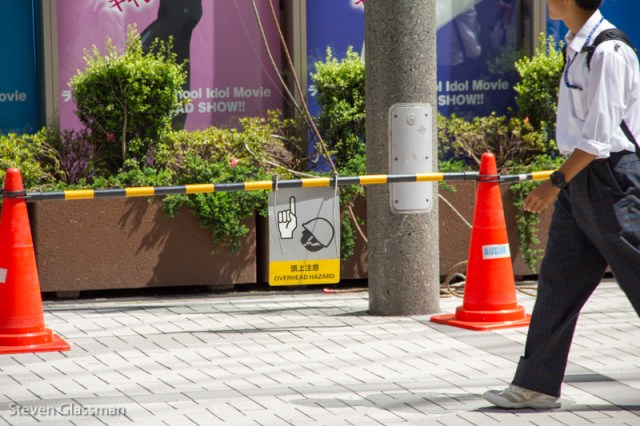
Across from her was a coned off area and signs to direct your attention upward.
safety-dance-09

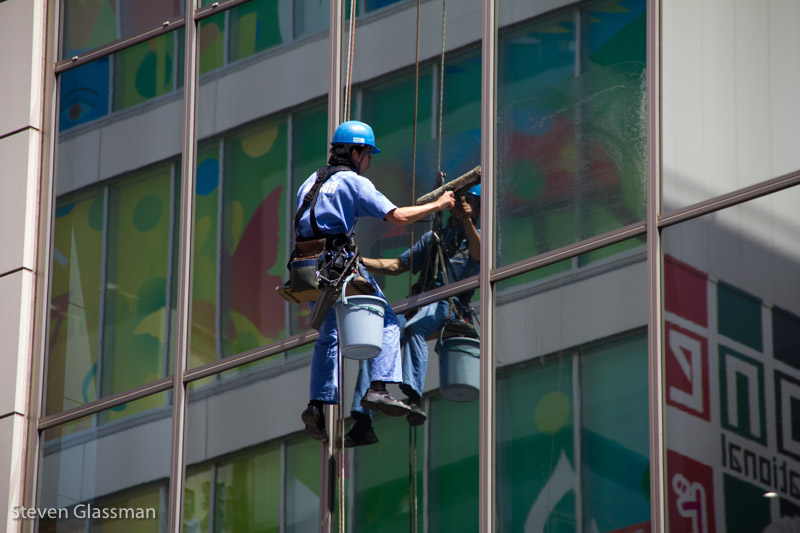
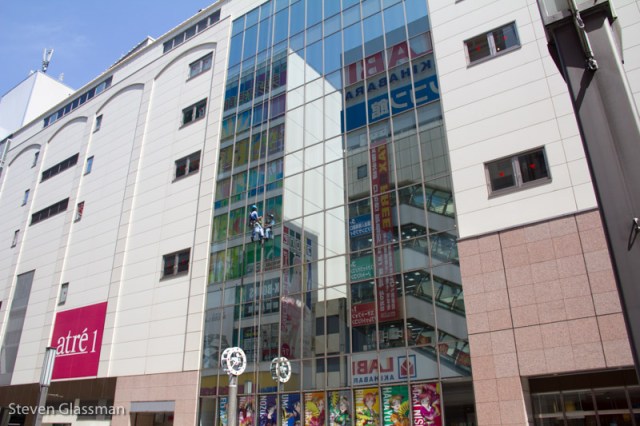
Above that sign, a single worker is washing lots and lots of windows.
safety-dance-02

Those with acrophobia or poor balance need not apply.

safety-dance-03

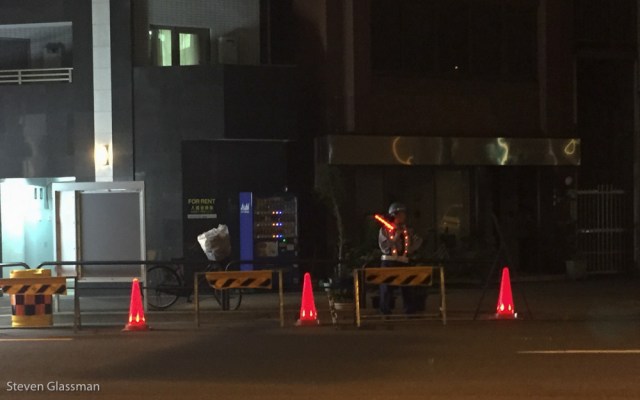
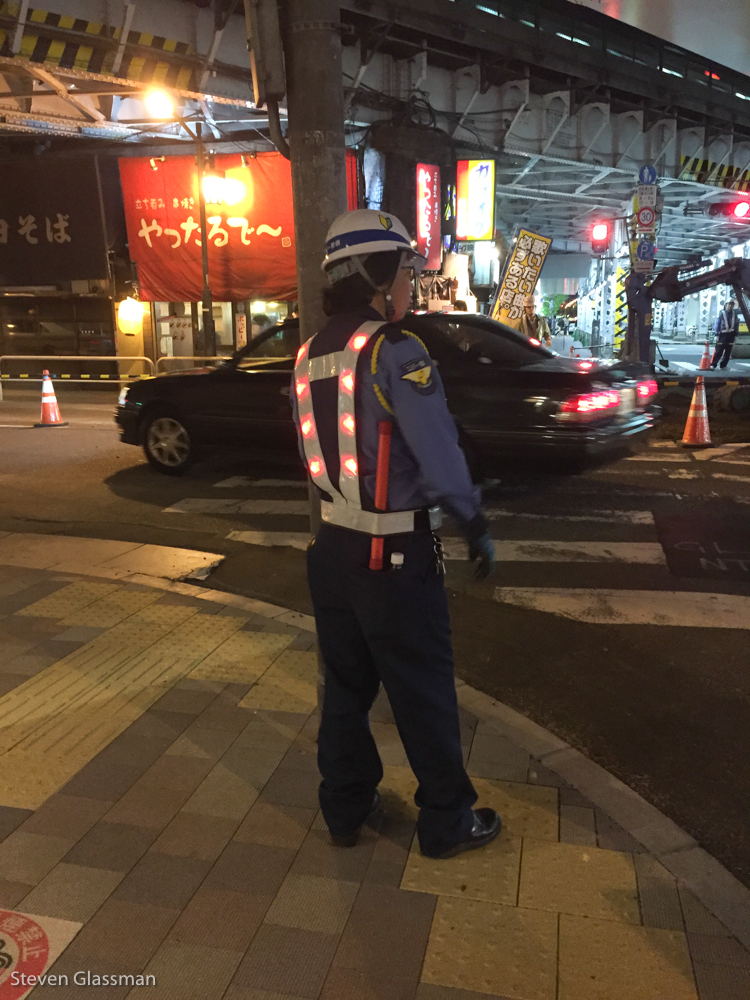
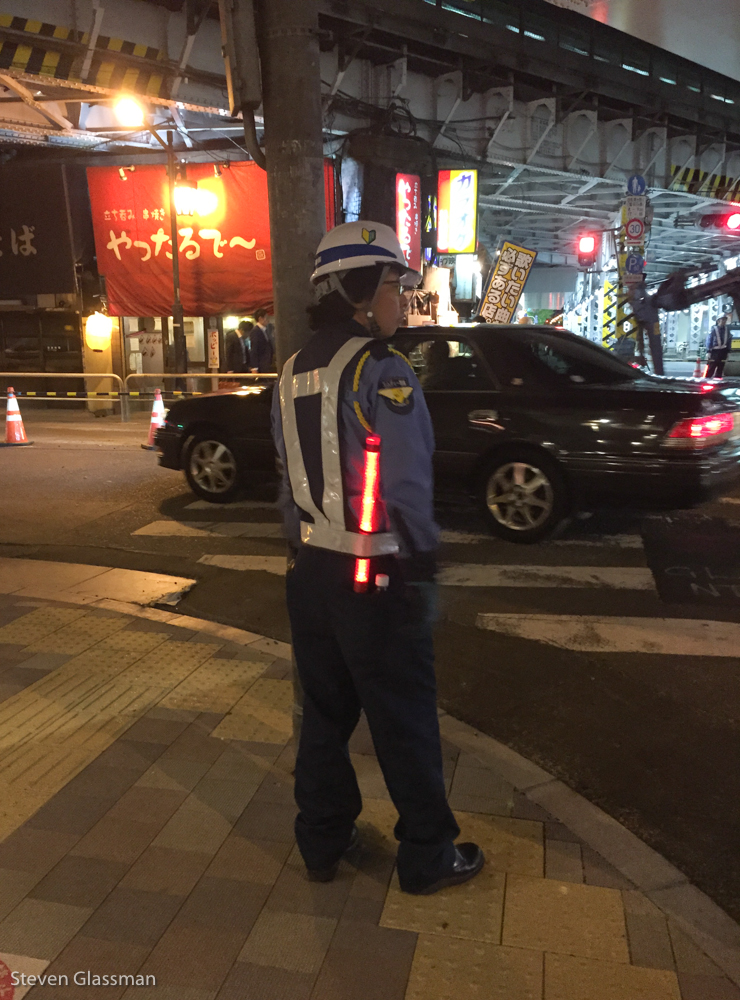
While walking home from the office at night, I would often see road construction being set up for the night.  The crews would dig up tremendous sections of the street and it would all be put back into place by morning.  At night, however, the safety gear came out in force.  The vest lights blinked in alternating patterns.
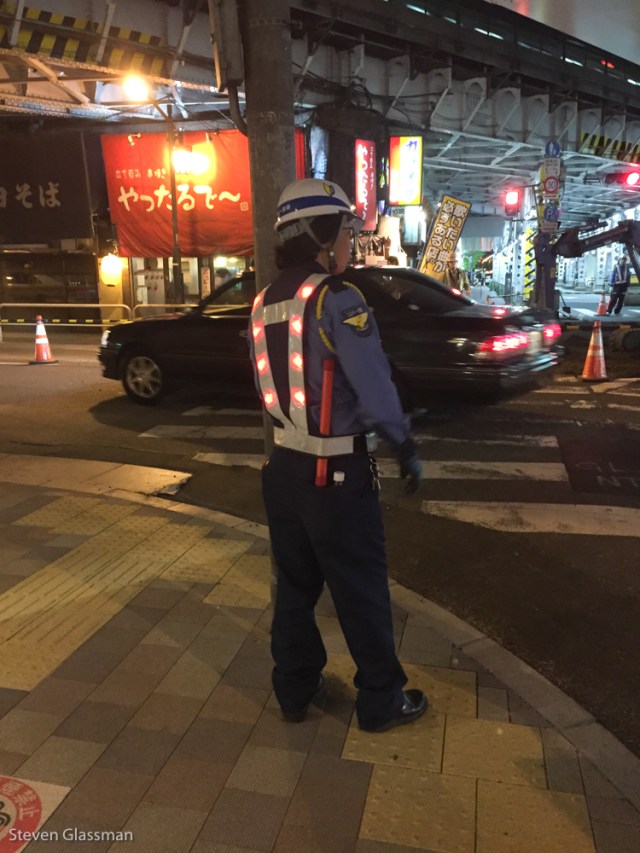
safety-dance-6

Teams of safety workers would keep traffic moving around the dig site with their blinky vests and glowy flashlights.
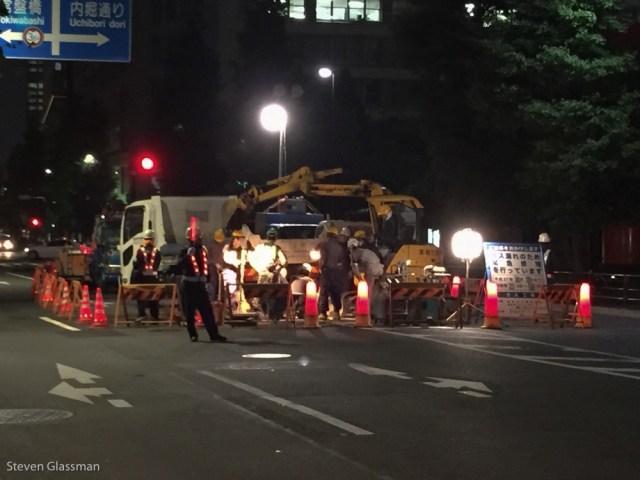
safety-dance-00

This man’s vest is not off.  It’s just on the off part of the blink cycle at the exact instant that I took the photograph.   safety-dance-12
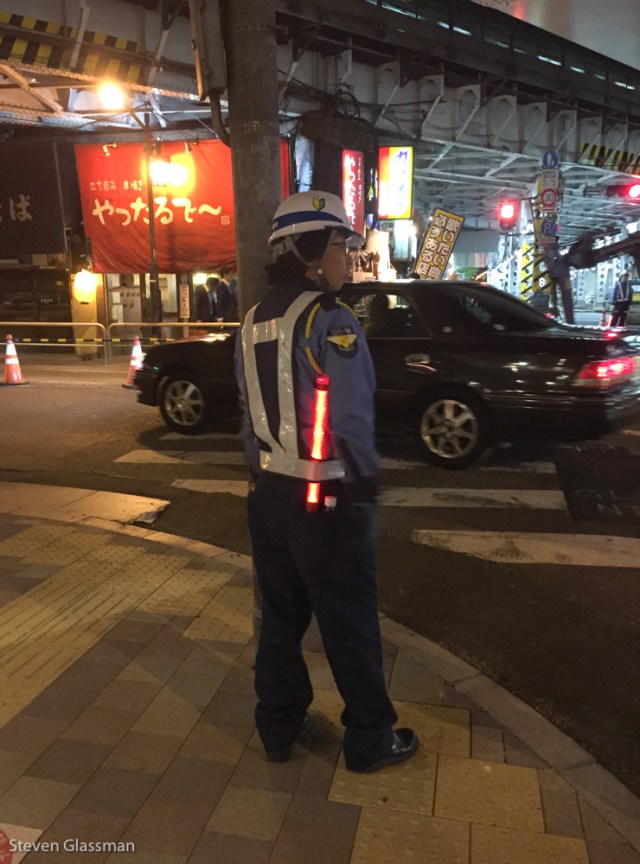
Even the cones glow in the darkness!

safety-dance-141

People doing work on the street in Japan often work in teams.  It takes two to ticket this parked vehicle.
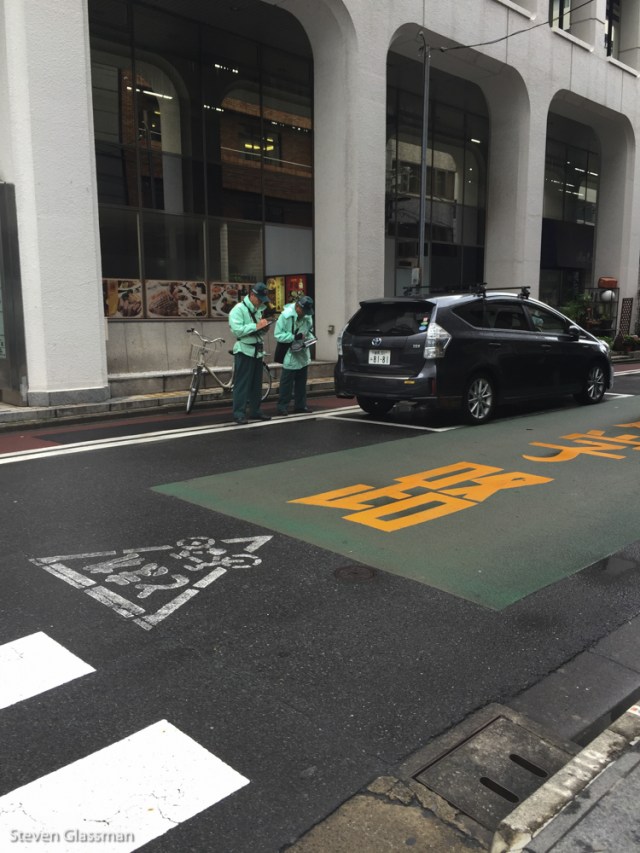
safety-dance-121

These two are really just there to make sure that you don’t get clobbered by falling debris from this tower.  There are always two!  safety-dance-142

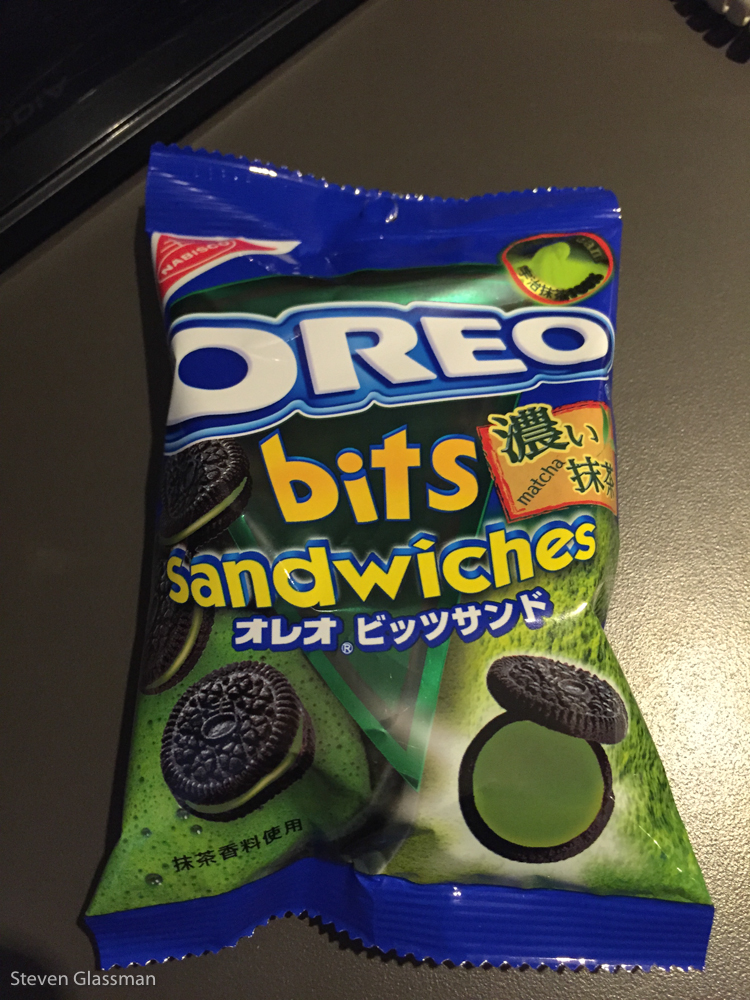
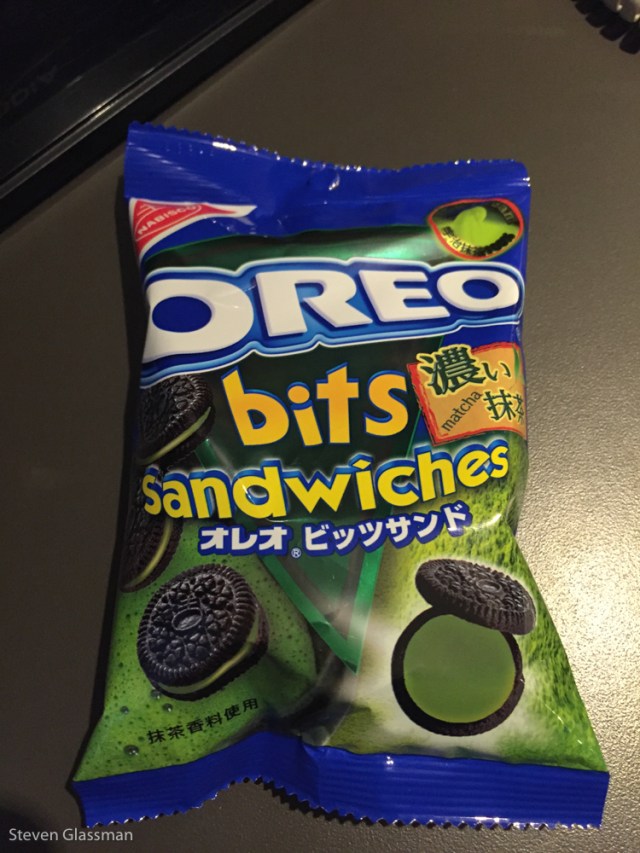
Let’s move on to some sweets.  Japan is full of fascinating flavors.  Some of them are amazing, and some of them are not.  These green matcha tea flavored Oreos were not great.  I was optimistic when I saw the package, but the flavor was just not much fun.
snacks-15

These tiny crunchy balls of chocolate joy were amazing, and I bought packets of them throughout my trip.  The outer shell is crunchy, and the inner part was a sort of creamy fudge.

snacks-26

In the mood for ice cream?  7-11 has you covered, with these ingenious cone-shaped containers of single serve.

snacks-196

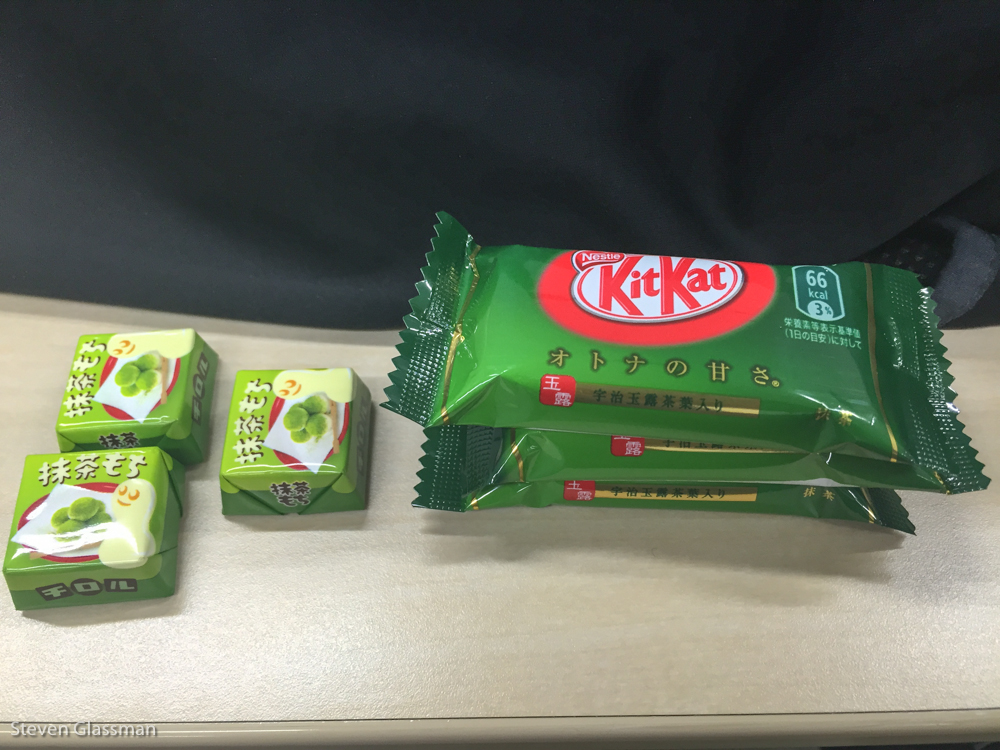
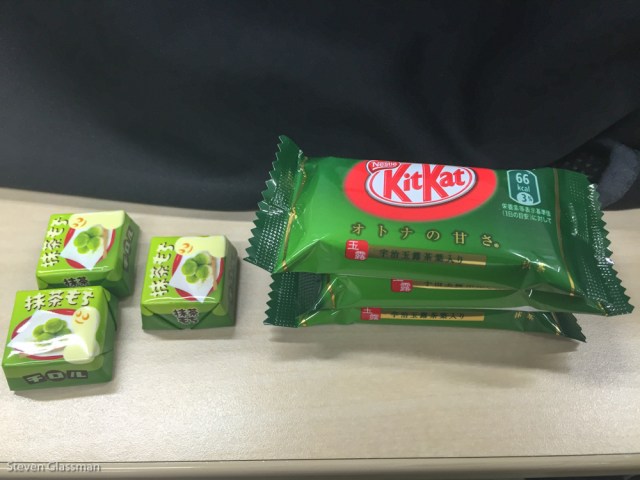
The things on the left?  Too chewy, and I didn’t enjoy them at all.

The things on the right?  Green tea flavored Kit-Kats, which are amazing.  Kit-Kat has many fascinating flavors in Japan that are not available in other places.  I brought back a small sampling of strawberry flavored Kit-Kats, cheesecake flavored Kit-Kats, and even some Rum-Raisin.   The green tea flavor is the best one, though.  You can find this in the United States, at specialty shops.  Usually near the Pocky.
snacks03-

Have you got a good idea for an end-of-post question?  I can’t think of one right now.