Easter Weekend 2013, Part One: Strasbourg, France

The Friday and Monday surrounding Easter weekend this year were public holidays in Bavaria.  Since I had a long weekend, I decided to do a whirlwind tour through Strasbourg France, Freiburg Germany, Zurich Switzerland, and the Rhine Falls near the Swiss-German border.  I’m going to write about them one at a time, though.  First up, Strasbourg!

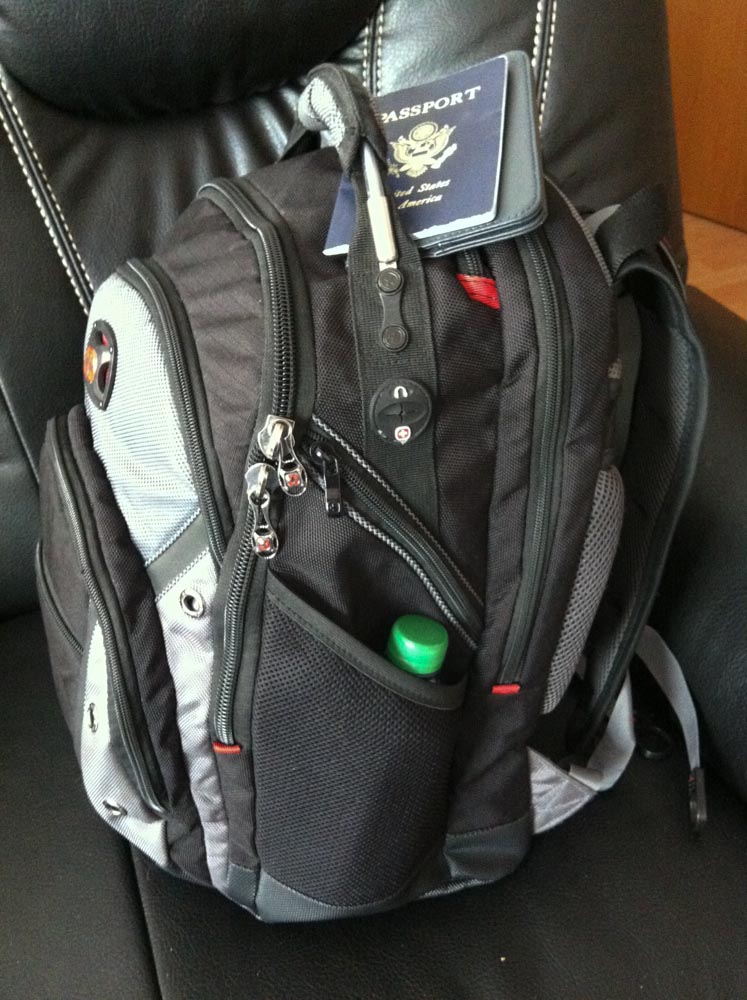
I’ve been trying to perfect the art of packing light for my travels, and I think I did very well on this trip.  For a four day, nine train journey to all of the aforementioned places, this was my entire pack, including my DSLR.
strasbourg-1

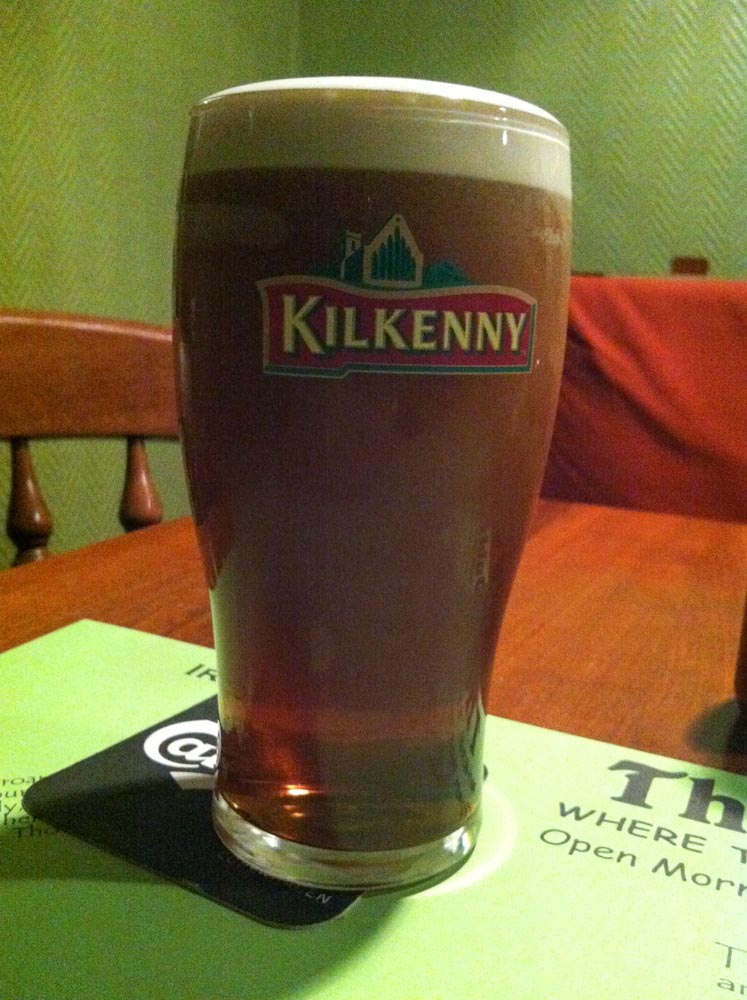
I arrived in Strasbourg around 9pm, and made my way to the hotel first to drop off my belongings.  I stayed at the Hotel Cathedrale, and was quite surprised when I arrived to see just how close the hotel was to the Cathédrale Notre Dame.  The entrance to the hotel is just across a courtyard from the Cathedrale, which made my sightseeing the next day quite easy to plan.  Since I arrived into town quite late, I grabbed a quick dinner at The Dubliner’s Irish Pub, a few blocks from the hotel.  I saw the pub on my walk to the hotel, and while I wasn’t in the mood to try local cuisine right away, I know I can always count on tasty food in an Irish pub.  Plus, this is a great way to start the holiday weekend:
strasbourg-2

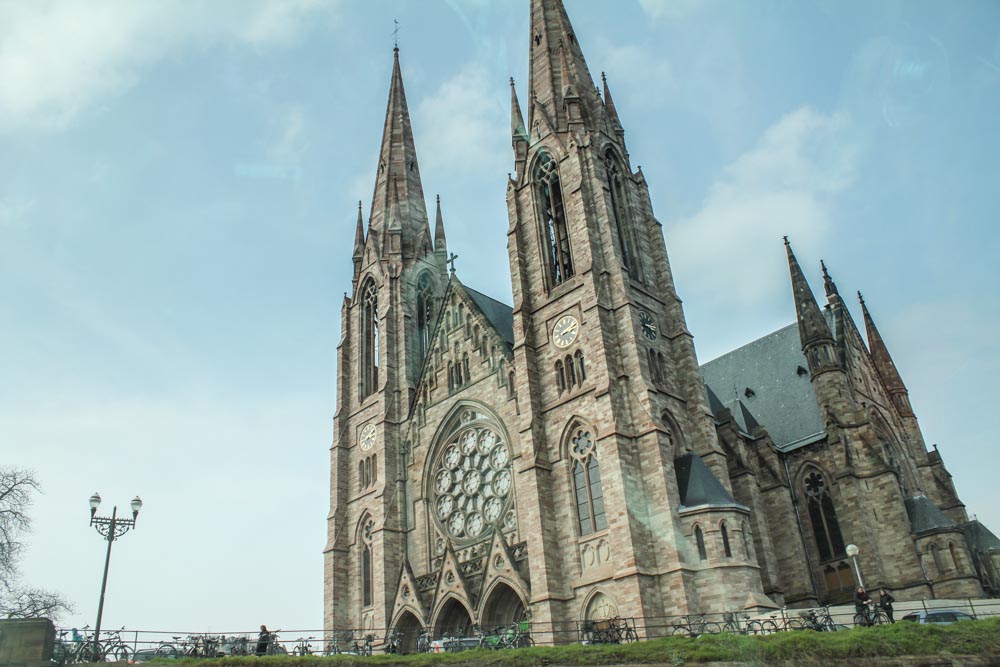
Walking back to the hotel from the pub, I snapped this picture.  The entranceway to the Cathedrale is just like one of the large churches I saw in Barcelona, very typical of the time period in which it was constructed.

strasbourg-3

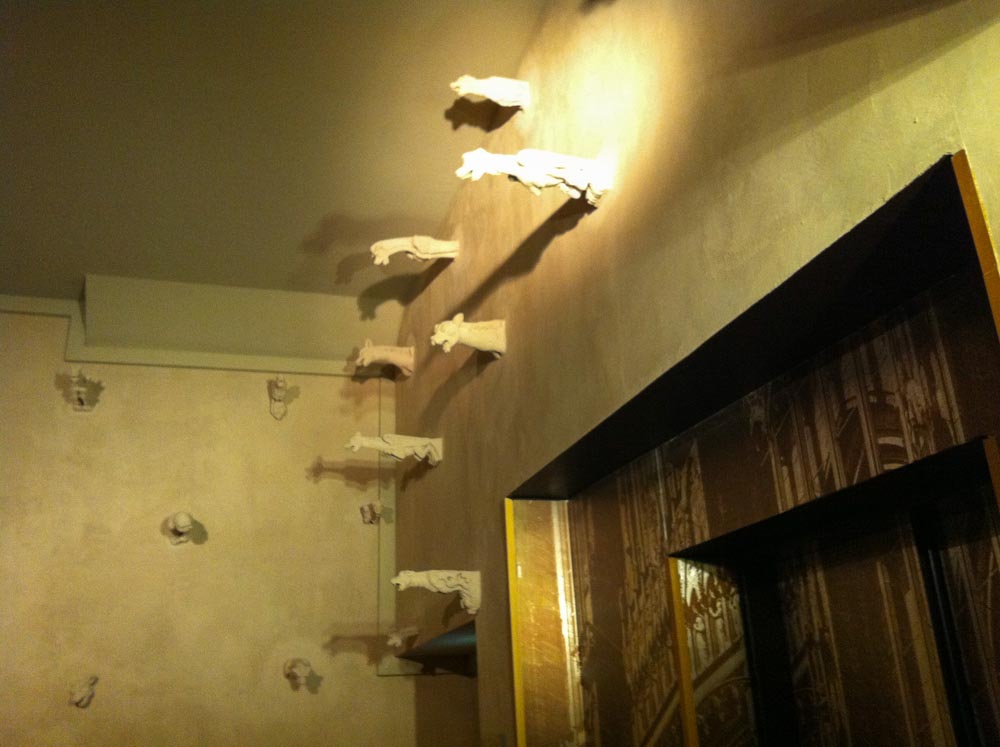
The hotel also had a variety of gargoyles around the elevators and stairways, to watch over you and protect you while you slept.  I slept very well.
strasbourg-4

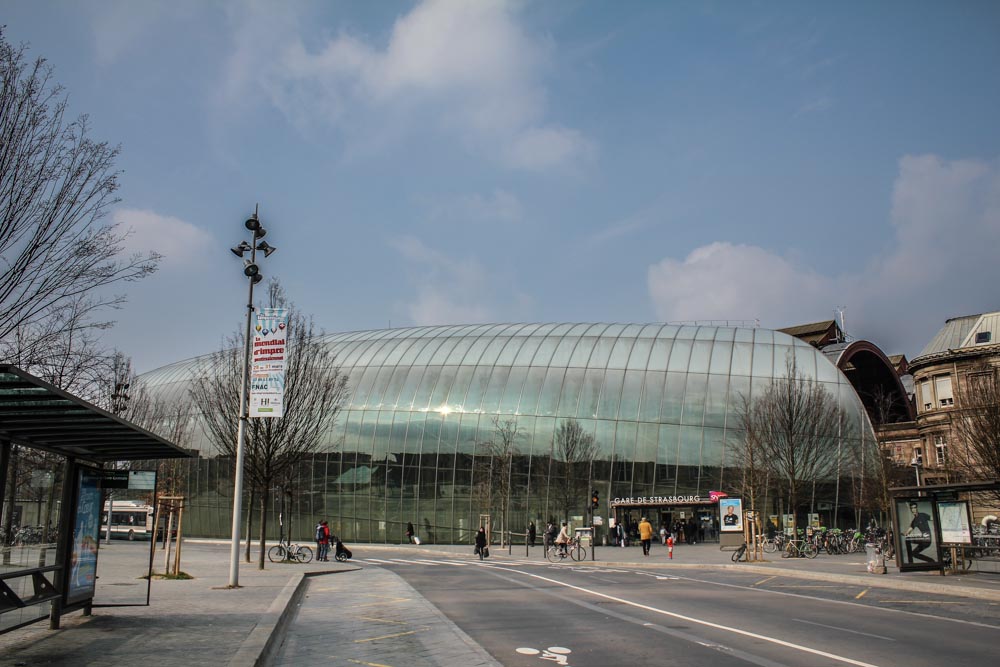
The next morning, I had the hotel breakfast (not bad), and walked out to find the nearest tram station.  From there, I went back to the main train station, because it has an amazing glass dome in front, and I wanted to get a picture.
strasbourg-5

From there, I made my way back into the center of town, partially by tram and partially on foot.  You can see the tram in the background of this picture of a rather pretty town square.
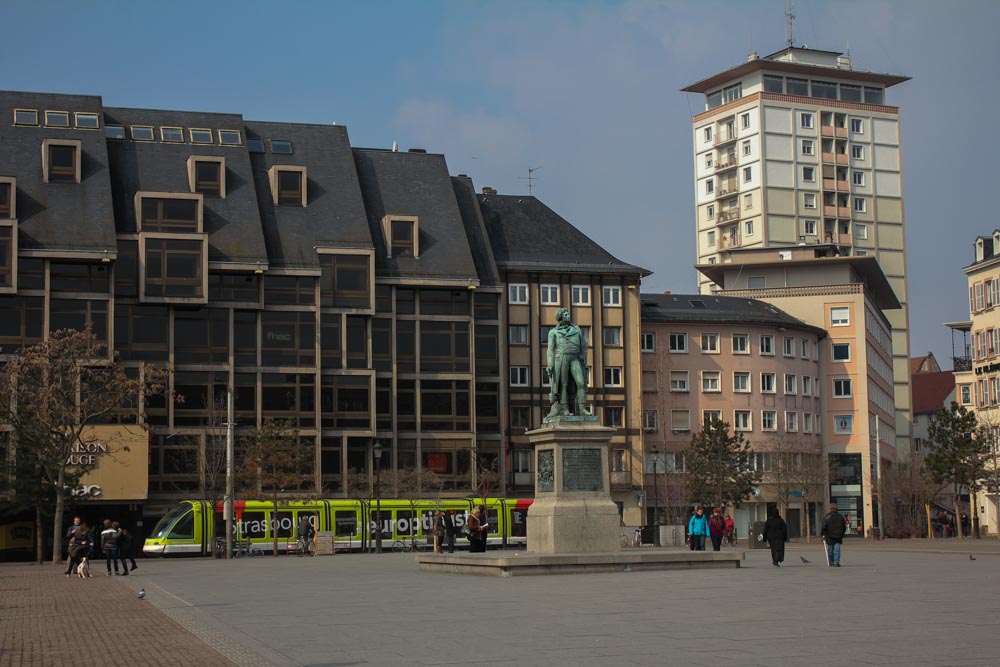
strasbourg-6

This building was on my path back to the center of town, and I was utterly fascinated by the giant barrel in front.

strasbourg-7

After my walk back toward the hotel, I finally went into the Cathedrale.    It’s enormous-  you can get a sense of scale from the people in this photograph.

strasbourg-8

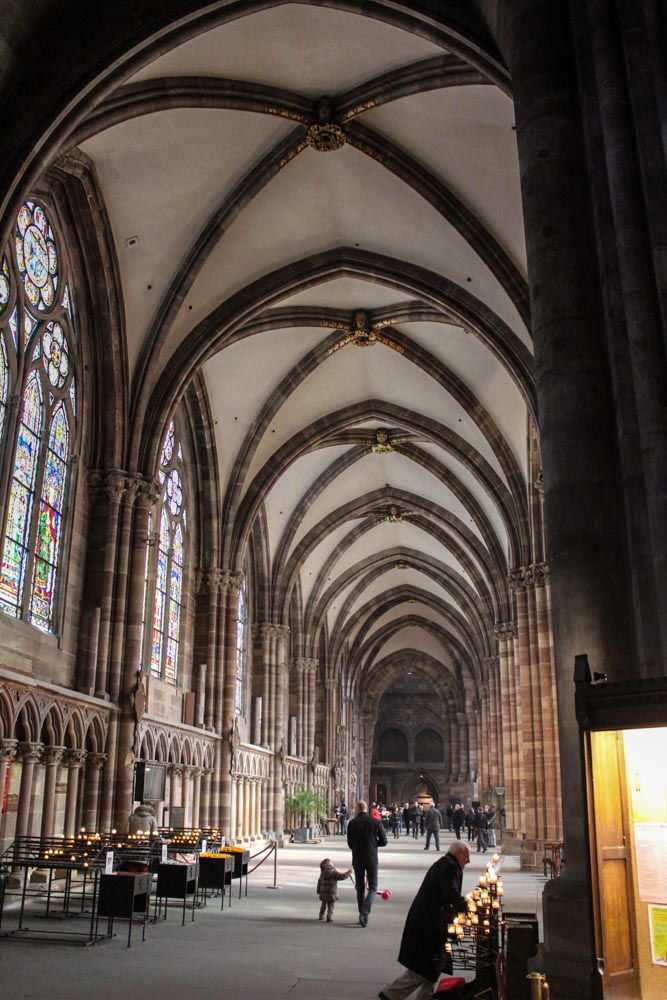
Inside, the arched roof is amazing.

strasbourg-9

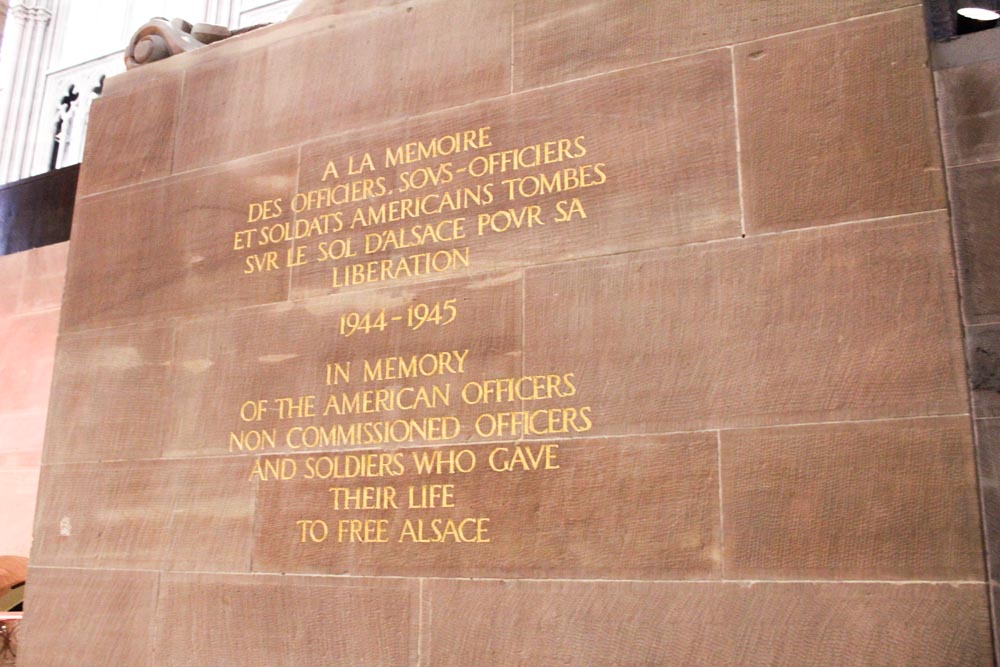
I’ve noticed memorials to fallen American soldiers in various places around Europe- it’s rather strange (but heartwarming) to see tributes to Americans in all these other random places.
strasbourg-10

Inside the Cathedrale, there is an astrometric clock that was built in 1838.  There are various moving pieces  on the quarter and half hours.  At 12:30, there is a “procession of the Apostles” on the upper level, and the mechanical roosters even crow.  I’m really not sure how they reproduced the sound of a rooster using mechanical means in the 1800s, but it’s there.

strasbourg-11

The upper level is Christ-  the Apostles move past him at 12:30.  The lower level shows mankind at different ages, walking past Death.  You can see the old man figure to the right of death in this photo.

strasbourg-12

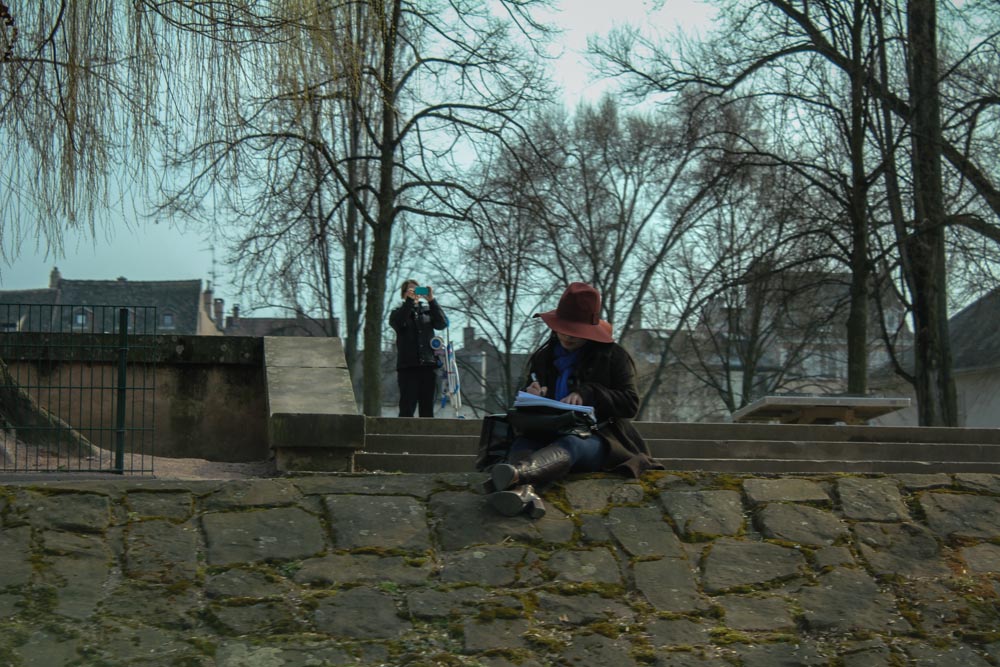
In the courtyard outside the Cathedrale, street artists try to get tourists to stop for a sketch.  I saw a lot of these on Charles Bridge in Prague, too.

strasbourg-13

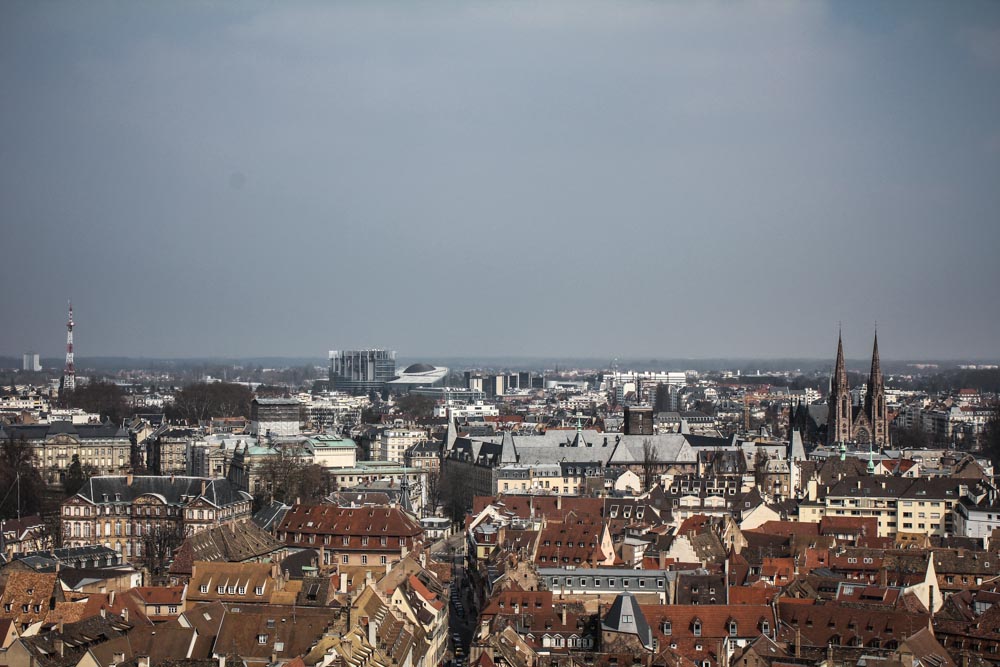
For a small fee, you can also climb up the 332 steps to the tower platform if you like to see things from tall places, which I really and truly do.  Here’s what the view is like on a mostly clear day:

strasbourg-14 strasbourg-15 strasbourg-16

Climbing back down the other side, there are some nifty gargoyles keeping watch.  I especially liked this fellow:

strasbourg-17

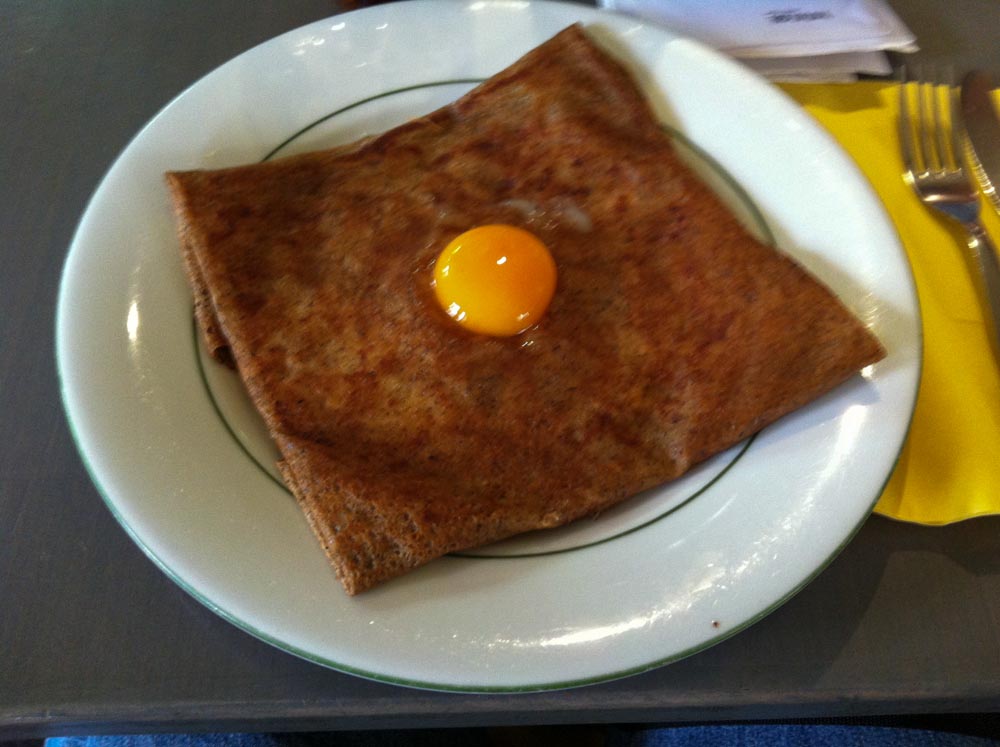
After the tower climb, I was good and hungry for some lunch.  I went back to a place I’d spotted earlier, La Crepe Gourmande, on a side street a short walk from the Cathedrale.  I had “Galette Paysanne,” which is a buckwheat crepe or pancake with onions and bacon inside.   Oh, and an egg on top.  It was delicious.
strasbourg-18

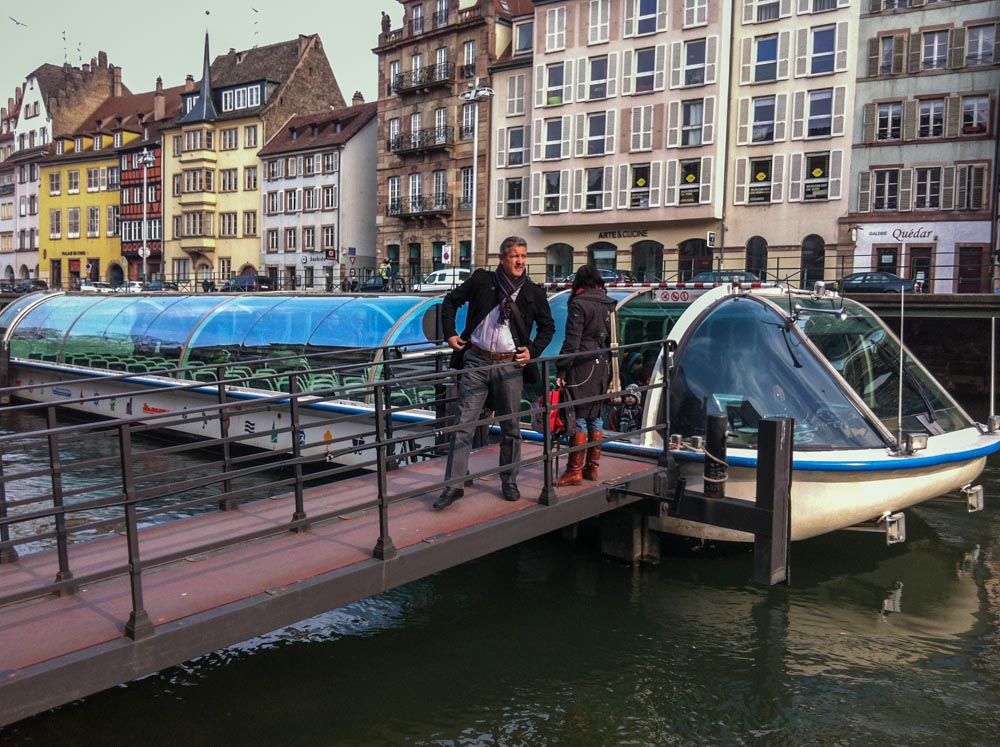
After lunch, I took a boat tour on the river, in these glass topped tour boats.  The audio portion is available in many different languages, including English.  The tour goes through two locks, which is a fascinating experience if you like transportation technology as much as I do.  The tour went past the ARTE headquarters as well as the European parliament, neither of which are pictured here because I didn’t take very many pictures from the boat. I did get a few nice shots, though, and they follow this one.
strasbourg-19 strasbourg-20 strasbourg-21

Also, since it was a sunny day a lot of people were out on the banks of the L’ill river.  People were reading, walking, holding hands, picnicking.  It was a nice day for that sort of thing.
strasbourg-22

All that was left after my day of sightseeing in Strasbourg was a nice dinner- I went to Cafe Rohan near the Cathedrale, and had some local Alsace cuisine.  I had Baeckeoffe in a crock pot, which is a beef, lamb and pork stew cooked with potatoes and carrots.  It was delicious, and hearty-  I’m glad I didn’t skip the regional food entirely while I was in Alsace.

Have you ever been to Strasbourg?

Burg Prunn

One of the things that you learn while living in Germany is that castles are to Germany what Waffle House, Coca-Cola, and the name Peachtree are to Atlanta.  There are castles everywhere over here.  Some of them aren’t all that stereotypically castle-ish.  For example, there’s Prunn Castle.

Burg (Castle) Prunn sits on the edge of a hill, so the view from the castle wall is nothing short of spectacular.  There’s literary historical significance to this castle, also.  The “Prunner Codex“, the fourth oldest complete manuscript of the high German heroic epic, the Nibelungenlied, was discovered in this castle.

The castle goes back to the 11th century, and there are clearly two parts to the castle. The central tower, and the buildings which were constructed around the tower later on.

prunn02

There is a small courtyard near the main entrance to the castle.  Unfortunately, pictures are not permitted inside the castle, so I can only show you the outside walls.  The inside was cold, but fascinating.  The entire structure has even been immortalized in Lego.

prunn03

Have you been to Burg Prunn?  What’s your favorite castle?

Dachau Concentration Camp

Dachau was the first of the Nazi concentration camps.  It was opened in March of 1933 and it was used as a model for the other camps to follow.  The camp served as a training center for SS guards, as well as a forced-labor camp for what Heinrich Himmler called “political prisoners.”   Dachau was built to hold about 5,000 prisoners, but by the time the camp was liberated by American soldiers in 1945, the number of prisoners held there was more than double that number.  In its twelve years as a concentration camp, over 200,000 prisoners were taken to Dachau, and nearly 32,000 deaths were recorded there.  When US troops liberated the camp in 1945, soldiers reported seeing a row of cement structures that contained rooms full of hundreds of dead bodies piled floor to ceiling.

Tdachau01oday, the camp is a memorial site.  Most of the barracks have been razed to the ground, but two of them have been maintained so that visitors can see the living conditions of the prisoners.   I visited the camp last Sunday, and the weather was suitably bleak and oppressive for the visit.  I think I would have felt a little strange if it had been a sunny, warm, cheerful day.

To visit the Dachau Concentration Camp Memorial site from Munich, you must take the S2 line of the S-Bahn to the Dachau Bahnhof.  From there, a regular bus runs directly to and from the “KZ-Gedenkstätte” stop.   KZ is short for Konzentrationslager (concentration camp) and Gedenkstätte means ‘memorial.’  From the Munich main train station, the entire travel to the memorial site took us about 45 minutes.

At the memorial site, admission to the memorial is free, but there is a visitor’s center where you can pay a small fee for an audio tour guide.  You also get a map of the site which guides you through the path an incoming prisoner would have taken.  It starts with the main gate, pictured at right.   The German phrase written in the metalwork of the gate, Arbeit Macht Frei, means “Work makes you free.”  This phrase was used at the gates to many of the concentration camps, famously including Auschwitz.

After you pass through the main gate, you find yourself in an enormous open area, with one set of buildings to the right (currently a museum) and baracks off to the  left.  The giant field is the roll-call square.  Prisoners would stand here for roll call each morning, sometimes standing in place for up to an hour.  The dead would often be dragged into the roll call square to be counted as well.  This picture is looking across the roll call square towards the still standing barracks.

dachau02

Inside the barracks, you can see what the living conditions were like for the prisoners.  Privacy was nonexistent.

dachau06

These sleeping racks were overfull by the time of the camp’s liberation in 1945.   The single structure below contains sleeping space for 54 prisoners.  This is one structure at the end of one portion of one of the 32 separate barracks buildings.  In 1945, the camp was up to more than 12,000 prisoners.

dachau05

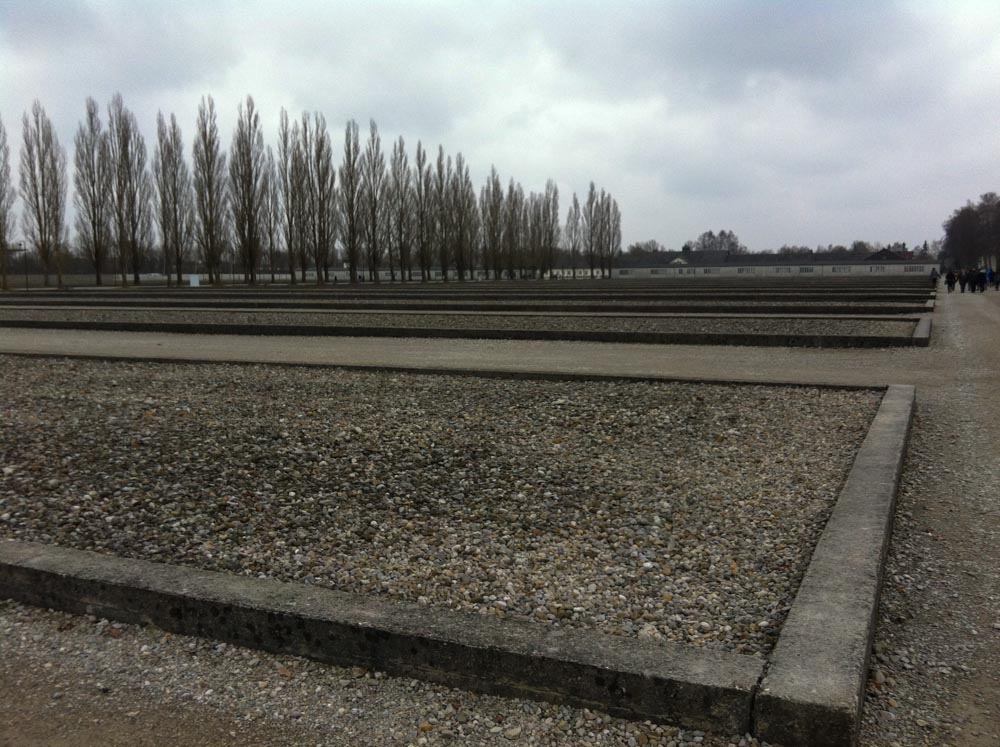
Today, most of the barracks are gone, but there are gravel outlines where they stood:

dachau03

Walking up the road alongside the barracks, you can see one of the remaining guard towers.   Prisoners who ventured too close to the fence were shot on sight, and it is said that some prisoners ran to the fence as a means of committing suicide.

dachau04

At the end of the walkway, there is a small gate leading to the old and new crematoriums. From the outside, it looks fairly inoffensive.

dachau07

When you walk inside, though, it’s a very sobering reminder of the atrocities of the Holocaust.  The room below is a gas chamber.  Up to 150 prisoners at a time could be forced to disrobe in the room next to this. False shower heads were installed into the ceiling so that the prisoners would believe that it was merely a large group shower room.  Once they were sealed inside, Zyklon B (prussic acid poison gas) would be used to suffocate the prisoners to death in fifteen to twenty minutes.

I was not surprised to note that nobody lingered in this room at the memorial.

Despite the presence of a gas chamber in Dachau, there is no evidence to support the idea that the gas chamber was used for mass murder there – most of the known deaths in Dachau were by gunshot or by hanging.  This model of gas chamber was used heavily in many extermination camps, however-   Auschwitz, Belzec, Chełmno, Jasenovac, Majdanek, Maly Trostenets, Sobibor, and Treblinka.

dachau08

The room adjacent to the gas chamber is a crematorium.  Each of these furnaces was capable of incinerating two or three corpses at a time.

dachau09

I usually try to end my posts with a question to spark discussion, but I honestly don’t know what to say on this one.  The entire experience of visiting Dachau is horrifying.  It’s important to be aware of the Holocaust and to know what happened in Nazi concentration camps, but I don’t think I really want to talk about it any more.

No Limits

Americans have a lot of myths and misconceptions about Germany.  We think that all Germans wear lederhosen and dirndls– they don’t; that’s just in the South of Germany.  We think that all Germans love beer and pretzels- ok, that part is actually mostly true.

Before I moved to Germany, I had a weird misconception that the Autobahn was a single world-famous stretch of roadway.  I stupidly didn’t register that “Autobahn” is really just the name for Germany’s entire system of highways until I was already here and seeing the separate segments of the highway.  I now know that Regensburg sits at the intersection of the A3 and the A93, and both of those roads are considered “The Autobahn.”

We think that the entire Autobahn has no speed limit.

nolimitsIt only takes one time on the highways here to see that this isn’t entirely true.  There are places on Germany’s roadways with no posted speed limits, designated by the circle and slashes seen to the right of this paragraph.  One ADAC estimate says that roughly half of the Autobahn  does indeed have a posted speed limit.  I can attest to this, since I drove on the Autobahn last week for the first time.

I don’t usually have a car here- when I moved over, I sold my beloved Honda Civic in favor of using the bus and train to get around.  I didn’t want to deal with the expense of parking, of getting gasoline, of insuring a car- and I really don’t need one here.    I drive when I’m in the United States, but not here.

When several of us went to Zürich for business last week and I had the opportunity to sign on as a second driver for the rental car, I didn’t have to think too long before signing up.  As a result, I got to drive a bit in both Germany and Austria.  I have a few thoughts on the experience:

  1. The places that do have speed limits here are somewhat infuriating because the speed limit changes rapidly and often.  In a five-minute span, you can find yourself seeing multiple speed limit changes.  It’s usually somewhat logical-  120 kilometers per hour to 100 to 80 as you approach a tunnel, for example.  Sometimes, though, it can be downright schizophrenic:  120 kilometers per hour to 80 to 100 to 60 to 120 and then, suddenly, no limits again.  In the US, highway speed limits tend to be one speed for much longer stretches of roadway.
  2. Even on the sections of the Autobahn that don’t have posted speed limits, there is still a recommended speed.  The Richtgeschwindigkeit, or recommended speed, is 130 km/h.  I can say from my new experience that 130-140 is actually a very comfortable speed.  This is perfectly logical, since this is roughly equivalent to 80-87 miles per hour.
  3. Our rental car was a Volkswagen Touran, which is basically the minivan version of a VW Golf.  This car isn’t really built for speed-  at one point on a straightaway, I took the car up to 180 km/h (112 mph) just to see what it felt like.  It felt terrifying.  At that speed, the entire vehicle felt like it was catching an updraft.  There was no sense of real control of the vehicle, and I was concerned that any good gust of wind would completely crash us.  I leveled it back down to a more relaxed speed very quickly, and didn’t break a three digit mph speed again for the rest of the trip.  I saw plenty of people doing 200-220 km/h on the Autobahn, but you really have to have the right car to do it without spontaneous outbreaks of sudden and horrible death.

Would I rent a fast car some time and drive fast on the Autobahn again?  Probably, it was kind of fun despite the terror.  Maybe next time I just need a faster car…

Have you been on the Autobahn?  What’s the fastest speed you’ve ever driven?


There’s A Signpost Up Ahead

Over the last year, I’ve noticed that you don’t see as much posted advertising in Germany as you do in the US.   Certainly you almost never see a full sized billboard along a highway here.  Sure, there’s advertisements on bus stops and benches, and posted on buildings near major roadways, but the big billboard sign isn’t a thriving species here.

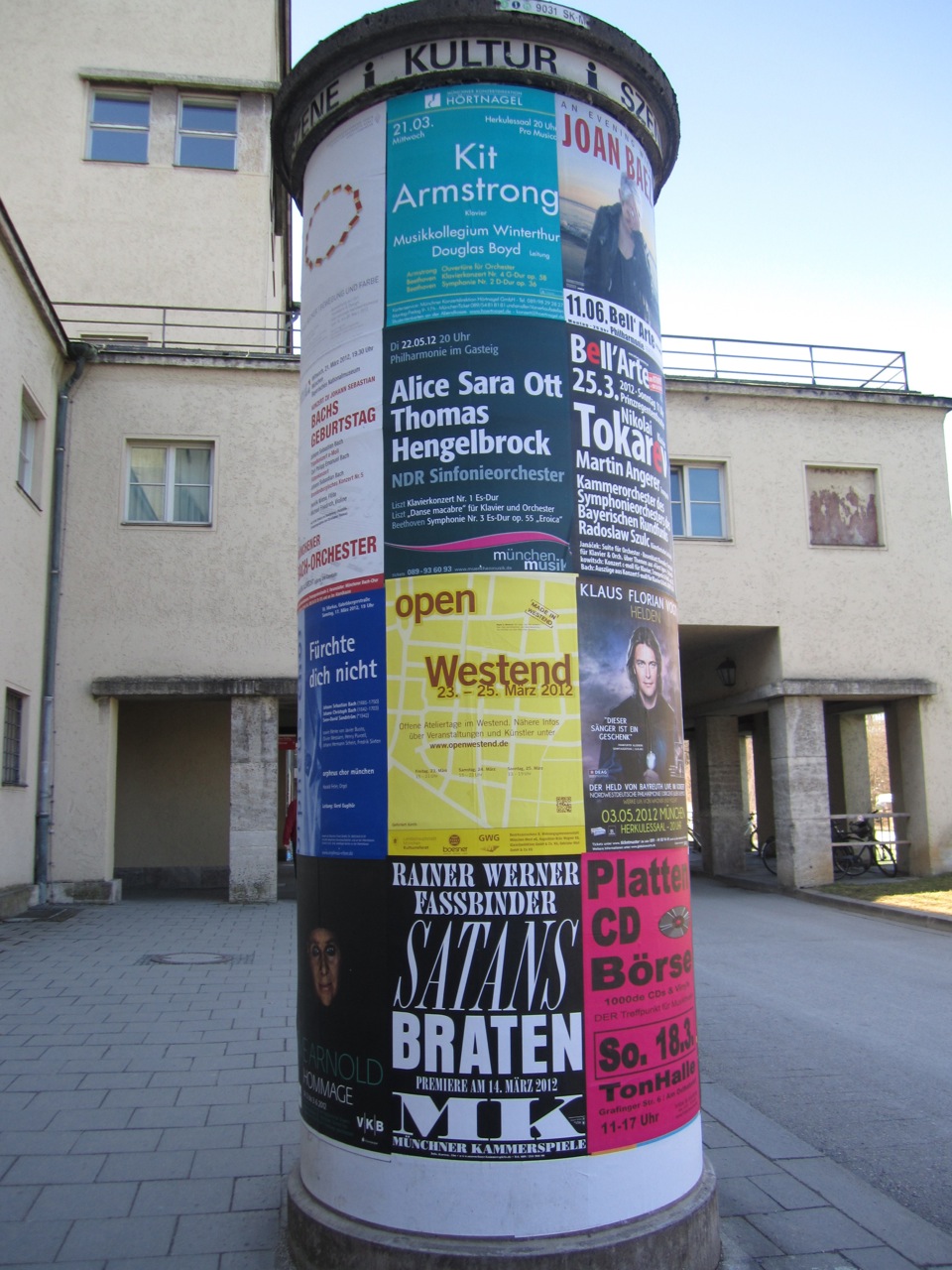
The cylinder of advertisement, however, is everywhere:

signpost02 IMG_0826

I find the cylinders to be fascinating, because they contain so much information, and yet they’re still wildly ineffective for advertising.  If you’re driving past in a car, would you really catch more than a word or two off of this ad-pole?

Is the advertising where you live different or unusual than what you’re used to?